Singapore’s real estate market is always changing. It balances growth with careful rules. Policies like cooling measures and property taxes help keep homes affordable and the market stable. These rules will keep affecting the market, impacting everyone involved.
The property market in Singapore is still strong and appealing. It offers great chances for investment or finding a home. New projects like the Greater Southern Waterfront and Tengah will change the city by 2025. They open up new options for property seekers.
Key Takeaways
- Government policies, including cooling measures and tax revisions, will continue to shape the Singapore real estate market in 2025.
- New growth corridors, such as the Greater Southern Waterfront and Punggol Digital District, are poised to transform the city’s real estate landscape.
- Suburban living is gaining popularity, driven by affordability, larger living spaces, and improved access to amenities.
- Sustainability in real estate, including green building standards and smart home technologies, is a growing trend.
- Singapore remains an attractive destination for foreign investment, particularly in the luxury real estate sector.
Overview of Singapore’s Real Estate Landscape
Singapore’s real estate market is lively and changing fast. The city is growing quickly, leading to new trends in property. These include more people wanting homes in suburbs, green homes, and updates in key areas.
The government helps shape the market. They use cooling measures to keep prices stable. They also help first-time buyers and support sustainable building. These actions keep the market balanced and affordable.
Global and local factors also affect the market. The government’s policies aim for sustainable growth. With a 6.57% growth rate from 2024 to 2029, the market is set to grow, offering many investment chances.

Understanding the market and government actions is key. Whether you’re buying your first home or investing, knowing the trends and rules is important. It helps you make smart choices in the changing Singapore real estate market.
The Role of Urban Planning in Real Estate
Singapore’s real estate scene is greatly influenced by its urban planning. Over the years, the government’s smart use of land has driven the country’s growth and change.
The “City in a Garden” idea is central to Singapore’s planning. It has led to the creation of green, eco-friendly areas. These areas balance city life with nature. Projects like the MRT network and new areas like the Greater Southern Waterfront boost property demand.
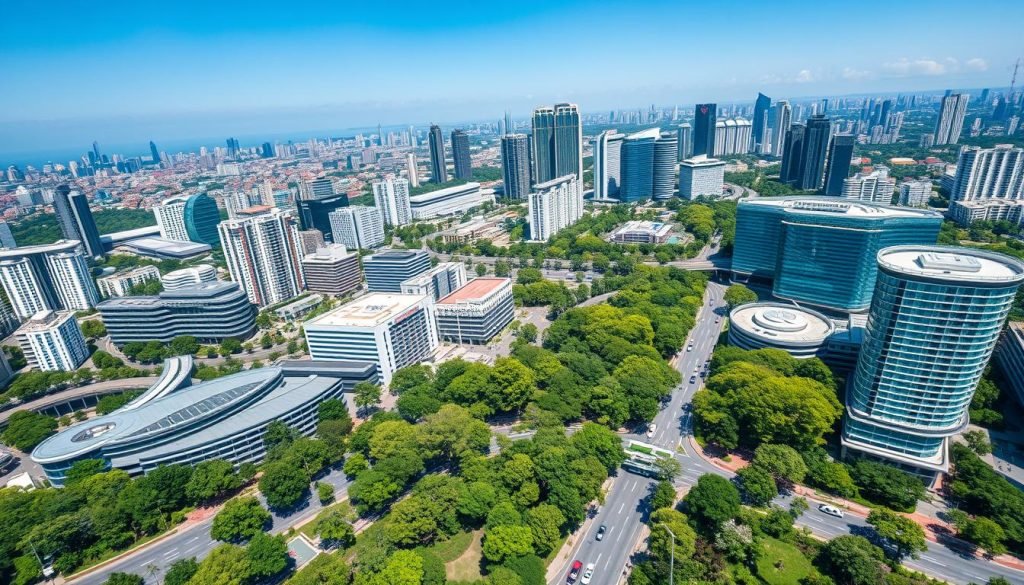
Urban planning in Singapore focuses on making spaces that are good to live in. The government has made rules to help developers and keep housing affordable. This balance is key to Singapore’s success.
As Singapore faces land and population challenges, its planning will guide the real estate market. The government’s focus on innovation, sustainability, and quality of life is vital. It ensures Singapore stays a top choice for property investment and development.
Housing Policies Impacting Home Buyers
The Singapore property market is shaped by government policies. These policies aim to support homeownership and keep housing affordable. The Housing & Development Board (HDB) is key in the public housing sector. It allocates about 94% of its stock for home ownership.
The government offers financial help to eligible buyers. This includes the Enhanced CPF Housing Grant and Proximity Housing Grant. These initiatives support first-time home buyers and those wanting to live near family.
In the private housing sector, cooling measures and foreign ownership rules play a role. These policies help keep the public housing market stable. They also influence how private developers operate and compete for local buyers.
This approach balances homeownership goals with economic considerations. It ensures a stable housing market in Singapore.
Foreign Investment Regulations in 2025
Singapore’s real estate market has seen big changes in foreign investment rules. The Additional Buyer’s Stamp Duty (ABSD) for non-resident buyers went up to 60% in 2023. This move aims to balance foreign investment with local demand.
This policy change has affected property prices, especially in the luxury segment. Despite these rules, Singapore is still a top choice for Property Investment Singapore. It’s known for its economic stability and strong fundamentals.
A new bill, the Significant Investments Review Bill, will introduce a screening regime for investors. This will apply to both foreign and domestic investors. They will need government approval for big ownership changes.
The list of designated entities is yet to be published. But, sectors like aerospace, semiconductor, and satellite firms might be included. The goal is to keep Singapore’s economy strong and resilient.
As the market changes, future policies might adjust foreign buyer rules. This will help keep a balanced Singapore Property Agents landscape.