Singapore’s property market is changing fast as we head into 2025. Inflation worries are fading, with hopes for steady interest rates. Central banks might lower rates, making borrowing cheaper and planning easier for investors.
But, this could make some buyers wait for better rates. They might miss out on great deals in the meantime.
There’s a gap between what people say online and what they actually do. For example, HDB resale prices went up by 2.5% recently. Over half of the 8,433 resale flat deals hit the $600,000 mark.
Also, the private property market is buzzing. Chuan Park, for instance, sold 76% of its units in just one weekend. The average price was over $2,500 per square foot.
Key Takeaways
- Inflation concerns are easing, with expectations of low and stable interest rates.
- Central banks are likely to cut interest rates, reducing debt costs and creating a more stable planning environment for property investors.
- Leveraged buyers may delay transactions in anticipation of better rates, risking missing out on prime opportunities.
- HDB resale prices are rising, with over half of transactions reaching the $600,000 mark.
- The private property market is seeing strong sales, with Chuan Park achieving an average price of over $2,500 per square foot.
Rise of Smart Homes in Singapore Real Estate
The real estate scene in Singapore is changing fast. Smart home technology is becoming more common. It brings better security, saves energy, and makes life easier for everyone.
The smart home market in Singapore is growing by 20% every year. Developers are adding cool features like smart lights, climate control, and security systems. These techs make homes more comfortable and can even increase their value.
New condos in Singapore are leading the way with smart home features. Developers see how valuable these technologies are for property investment. They’re adding smart thermostats and AI home management systems, making homes even smarter.
But, as smart homes get more advanced, keeping data safe and secure is key. Homeowners need to trust that their systems are reliable and private. This is important for enjoying the full benefits of smart home living in Singapore.
Shift Toward Sustainable Building Practices
The Singapore Property and Singapore Real Estate markets are changing fast. Developers now use eco-friendly materials and green technologies. This is because of government pushes and people wanting green homes.
By the end of 2023, over 4,600 buildings in Singapore met the Green Mark standards. This shows a big step towards sustainable living. The built environment sector used 60% of energy in 2022, showing the need for green buildings.
The Singapore Green Plan 2030 wants 80% of buildings to be green by 2030. This shows a big commitment to green buildings. Materials like recycled steel and bamboo are used to save resources and cut down on emissions.
Using energy-efficient systems can cut down energy use and costs. Water-saving tech also helps lower bills and attract green-conscious people. These steps are key to making buildings more sustainable.
As companies aim for net-zero, the push for green buildings will keep growing. This move will help meet Singapore’s environmental goals and meet the demand for eco-friendly homes.
Increased Demand for Mixed-Use Developments
The real estate market in Singapore is changing. Mixed-use developments are becoming more popular. These projects mix homes, shops, and sometimes factories in one place.
These developments offer many benefits. They make life easier by providing many amenities close to home. This can help people balance work and life better and save time on travel. Also, they can make homes and rentals more valuable. For example, Pasir Ris 8’s prices went up by almost 37% since 2021.
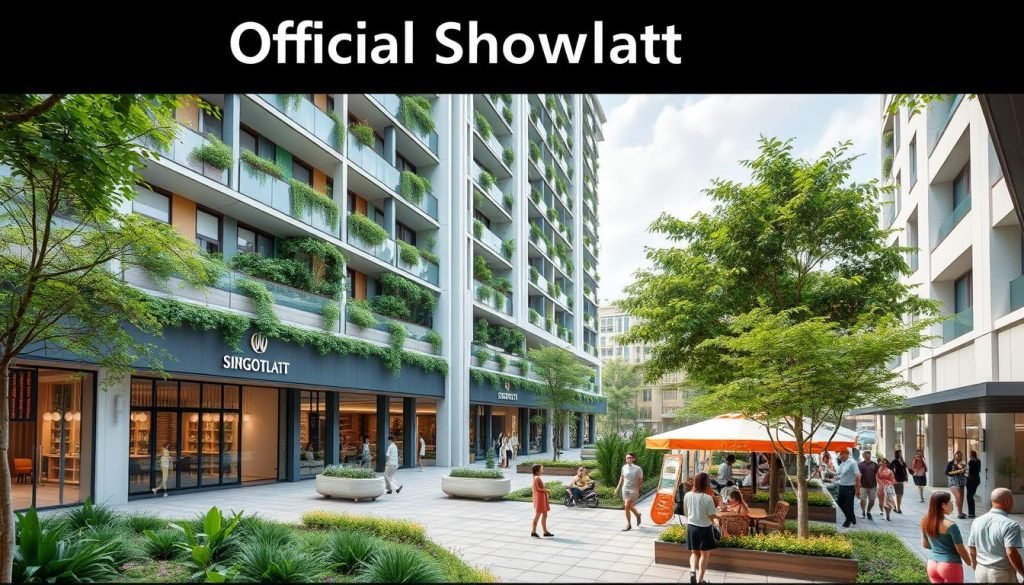
The demand for these spaces is growing. Between 2018 and 2023, 33% of government land was sold for mixed-use projects. Projects like TMW Maxwell and J’den show people want these kinds of places.
In Singapore, the need for mixed-use developments will likely keep growing. Investors and buyers like the convenience and potential value of these projects. They are a big trend in the Singapore property market.
Impact of Foreign Investment on Singapore Property
Foreign investment is a big deal in Singapore’s property market. Lately, foreign buyers love high-end condos and luxury homes, especially in top areas. But, the government has put rules like the Additional Buyer’s Stamp Duty (ABSD) to keep things stable.
Before the pandemic, foreigners bought about 277 non-landed homes every quarter in 2018 and 2019. This made up 6.3% and 6% of all home purchases in Singapore. But, during the pandemic, foreign buyers made up only 4.7% of all non-landed home sales on average.
The government’s rules are clear in the Core Central Region (CCR). Foreign buyers made up 11.7% of all sales there from Q4 2019 to Q1 2023. Prices in the CCR have been a bit slow, with a 0.4% drop in 2020. Then, they saw small increases of 3.8% in 2021 and 4.8% in 2022.
Even with these rules, Singapore is still a top choice for foreign investors. In 2022 and 2023, 25% and 26% of people from Asia wanted to buy a home there. The real estate sector’s share of Singapore’s economy grew from 3.1% in 2021 to 3.3% in 2023. This shows how important foreign investment is for Singapore’s property market.
Evolution of Rental Market in Singapore
The rental market in Singapore is changing fast. This is because of new preferences and changes in who lives here. Families and those wanting stability still like long-term rentals. But, more people want flexible options like short-term leases and co-living spaces.
Young professionals and expats are driving the demand for rentals in the city center. The rise of Airbnb has changed the short-term rental scene. Yet, strict rules are in place. Rental prices have gone up and down, with a 0.8% drop in the second quarter of 2024.
More private homes are being built, with about 30,000 added in 2022 and 2023. Resale homes make up a big part of sales, hitting 77.4% in the second quarter of 2024. This is the highest since 1996.
Experts think rents might drop by -5% in 2024. The market is adapting to what tenants want. The move towards flexible living and new developments will shape the future of rentals in Singapore.
Role of Technology in Property Transactions
Singapore’s property and real estate markets are changing fast, thanks to technology. Virtual tours and augmented reality are now common for viewing properties. This is especially true since the COVID-19 pandemic started.
These new tools let people see properties online, saving time and money. It’s a big change for the industry.
Blockchain technology is also making waves in real estate. It offers secure, clear, and unchangeable records. This could make buying and selling properties easier, safer, and more open.
In 2022, a property in Singapore called Midview City was sold using blockchain. It raised over $600,000 through a new method called “introducing real estate on-chain” (IRO).

Real estate tokenization is making it easier for more people to invest in property. But, the Singapore government has rules to protect investors. Only those with a lot of money can buy into blockchain-based properties.
This is to avoid risks and market ups and downs with new tech.
As technology keeps improving, it will change the property and real estate world in Singapore. Investors and buyers should keep up with these trends. They will shape the future of buying and selling properties.
Importance of Location in Property Value
Location is key in setting Singapore property prices. Areas like Jurong and Punggol are gaining interest. This is because of new infrastructure and MRT lines.
Being close to amenities, schools, and transport is important. For example, Aurelle of Tampines is near two MRT stations. It’s also close to top schools and universities.
The Tampines North Regional Centre is set to become a big job hub. This makes Tampines a more attractive place for property investments. It’s already a major commercial area, boosting property prices and rental income.
Good connectivity raises property prices in Singapore. Living in connected areas saves time and makes life easier. This is why Singapore values well-connected locations, increasing property values.
Shifts in Buyer Preferences Post-COVID-19
The Singapore housing market has seen big changes since COVID-19. More people want bigger homes because of remote work and spending more time with family. They look for places with more room for home offices and hobbies.
There’s a growing interest in suburban HDB flats and properties. Buyers want more greenery and open spaces, not just being close to the city. This shows a need for a better balance between work and life. Yet, prime urban properties still attract investors looking for value to grow.
Even with COVID-19, Singapore HDB flats are still in demand. Resale prices have kept growing steadily. This shows that affordable, practical homes are still wanted, even as tastes change.
As we move past COVID-19, it’s key for real estate experts and policymakers to watch these changes. They need to make sure the housing market in Singapore keeps up with what buyers and investors need.
Upcoming Policies and Regulations Affecting Property
Singapore’s property market is always changing. The government is working to keep the market stable while it grows. They plan to change the property tax structure, which might affect how people invest.
Starting January 2025, the tax bands for homes will go up. This change could influence how people buy and sell properties.
New rules for developers and investors are coming. They will push for green buildings and more affordable homes. This shows the government’s dedication to building responsibly and meeting the needs of more people.
Investors and homebuyers need to keep up with these changes. This way, they can make smart choices in the changing Singapore property scene.
The government is also watching the market closely. They adjust rules like the Additional Buyer’s Stamp Duty (ABSD) and Total Debt Servicing Ratio (TDSR). These rules help control how much people invest and encourage local buyers to own homes.
These steps help keep the market stable and affordable for everyone. They ensure that Singapore’s real estate remains accessible and secure.