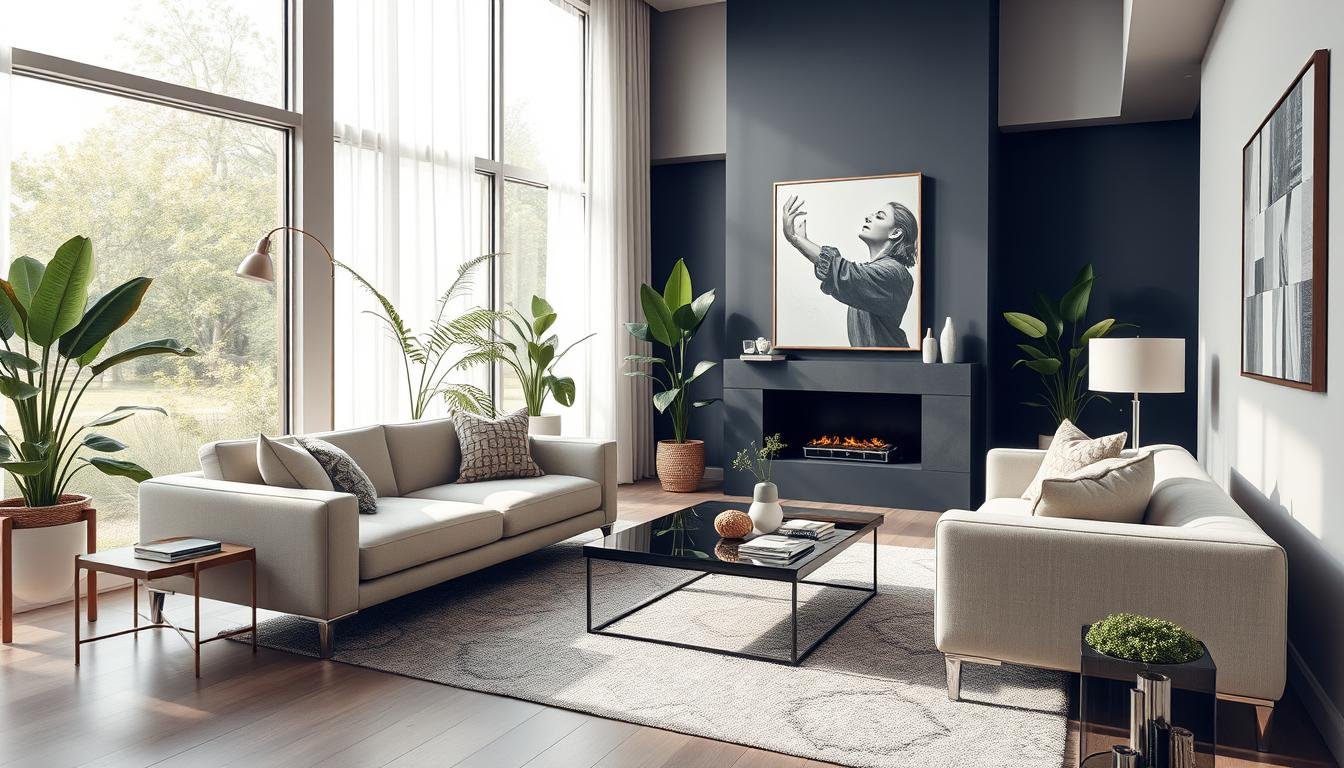
Singapore’s real estate market is known for its stability and growth. It attracts investors from around the world. By 2025, high-end living in Singapore will change a lot.
New developments like the Greater Southern Waterfront and tech hubs like Tengah will offer luxury homes. Areas like Sengkang, Punggol, and Bishan are becoming popular. People want more space, better connectivity, and nature.
The market will focus more on being green. Homes will have eco-friendly designs and smart tech. The luxury segment in the Core Central Region will still attract foreign buyers.
The demand for rentals near the CBD and Orchard Road will stay high. The US presidential election and Singapore’s economy will affect the market. This will bring both chances and challenges for investors and buyers.
Key Takeaways
- Singapore’s real estate market remains resilient and attractive, offering significant opportunities for investors and homebuyers.
- Key trends shaping Singapore’s real estate outlook for 2025 include ongoing urban transformation, the rise of suburban living, sustainability focus, and continued appeal to foreign investors.
- Luxury residential developments in Singapore are set to feature eco-friendly design, smart home technologies, and innovative energy-efficient solutions.
- The luxury property market in Singapore’s Core Central Region (CCR) is expected to continue attracting foreign buyers.
- Demand for rental properties near the Central Business District (CBD), Orchard Road, and integrated transport hubs is anticipated to remain high in 2025.
A Brief Overview of Singapore’s Real Estate Landscape
Singapore has a high rate of home ownership, at 89.7% in 2023. The market is split into public and private sectors. Most residents, 77.8%, live in HDB flats. Others, 17.2%, reside in private condos, and 4.8% in landed properties.
The average HDB flat costs $597,297, or $582.04 per square foot. Condominiums in Singapore average $1,945,523, or $1,880.78 per square foot.
The Singapore real estate market is strong and resilient. It benefits from a stable economy, a growing population, and supportive government policies. These policies aim to encourage home ownership and investment. The market offers a wide range of housing options for both locals and international buyers.
Even with global economic challenges, Singapore’s property market keeps growing. Prices for condos and apartments remain high. This is partly due to the government’s efforts to make housing affordable and accessible. Singapore is also a top choice for both residential and commercial investments.
High-End Property Developments: A 2025 Outlook
The real estate market in Singapore is changing fast. By 2025, high-end property developments will see big changes. The Greater Southern Waterfront project is a major update, adding luxury homes, commercial areas, and waterfront views.
This project will meet the growing need for top-notch Singapore Landed Properties and investment chances.
Other projects like Tengah, known as the “Forest Town,” and the Punggol Digital District are also exciting. They will have smart homes and attract tech professionals. The Jurong Innovation District will become a center for innovation and business, boosting demand for quality homes and offices.
These new developments will use the latest in tech, sustainability, and planning. The Singapore real estate market is expected to grow a lot. It’s predicted to reach USD 64.04 billion by 2029, growing 9% by 2027. This means more people will want to invest in premium Singapore Landed Properties.
The Role of Technology in Luxury Real Estate
Technology is changing the luxury real estate scene in Singapore. By 2025, smart homes will be common in high-end properties. These homes can be controlled with smartphones or voice assistants.
These tech homes offer great convenience and save energy. They fit with Singapore’s goal to be more sustainable.
Properties like Chuan Park show how technology is changing luxury homes. Smart features make these homes more appealing. They can even justify higher prices.
Properties with smart tech attract more buyers. This is seen in the 20% annual growth of AI platforms like Alexa and Google Smart Home.

Smart homes also save energy and improve security. They have smart thermostats and lights. Plus, they have security cameras and smart locks.
Developers are now focusing on these features. They’re making luxury homes more affordable for everyone.
But, there are challenges with smart homes. There are worries about technology lasting and data security. Still, smart homes are becoming a must-have in Singapore.
Demographics Shaping High-End Property Demand
Singapore’s luxury real estate market is influenced by many factors. Foreign investors, especially from China, Indonesia, and India, see Singapore as a safe place for their money. They are attracted to its top-notch amenities, strong business scene, and legal protections for property owners.
Local buyers, including young professionals and families, are also eyeing luxury homes. They prefer suburban areas for more space and better value. This shows the growing wealth and changing lifestyle desires of Singaporeans.
Rules like the Additional Buyer’s Stamp Duty (ABSD) and the Total Debt Servicing Ratio (TDSR) have changed how people buy and finance properties in Singapore. These rules help keep the real estate market healthy and balanced for both locals and foreigners.
As Singapore faces the world economy, the demand for luxury homes is likely to stay strong. The city’s fame as a top spot for living, working, and investing will keep attracting buyers and investors. They will look for the best deals in Singapore’s lively Property and Real Estate markets.
Government Policies Impacting Luxury Homes
Singapore’s luxury real estate is shaped by the government’s careful policies. Cooling measures like the Additional Buyer’s Stamp Duty (ABSD) and Total Debt Servicing Ratio (TDSR) aim to stop speculative buying. Yet, the government balances these to ensure the housing market grows sustainably.
In April 2023, Singapore raised ABSD rates for foreign buyers and those buying multiple properties. Rates now reach up to 60% for foreign buyers. This move aims to curb speculative investments and make homeownership more accessible for locals. Also, property tax changes in 2023 have increased taxes on investment properties and luxury homes. This helps stabilize the Singapore Housing market.
The government also supports first-time buyers and upgraders through public housing policies. Most Singaporeans live in HDB flats. This balanced approach keeps the real estate ecosystem healthy, meeting various homebuyer needs while protecting the market’s long-term interests.
Singapore’s stable politics and business-friendly environment attract global capital, especially in uncertain times. This investment flow has made luxury properties more resilient and appealing. However, changes in U.S. interest rates and trade dynamics could affect investor sentiment and mortgage costs. This, in turn, could influence demand for high-end Property in Singapore.
Emerging Neighborhoods for High-End Living
Singapore’s real estate is changing fast. New areas are becoming top picks for luxury homes by 2025. Places like Sengkang, Punggol, and Bishan in the Rest of Central Region (RCR) and Outside Central Region (OCR) are seeing more demand for luxury condos and apartments.
These suburbs offer luxury at a lower price, bigger homes, and easy access to parks and community spots. The MRT network and other projects are making these areas more appealing. They balance privacy, convenience, and a better life quality.

Leedon Park in District 10 is becoming a favorite for the wealthy. It has Good Class Bungalow (GCB) areas and rising property values. Residents enjoy privacy, prestige, and are close to great schools and lifestyle spots.
Bukit Timah, Holland Village, Orchard Road, Sentosa Cove, and Robertson Quay are also attracting the rich. Each offers a unique mix of luxury, amenities, and community. As Singapore’s real estate grows, these areas will change what high-end living means by 2025.
Luxury Amenities That Attract Buyers
The Singapore property market is changing fast. Luxury amenities are key in drawing in high-end buyers. By 2025, top developments will have amazing features like lush gardens and green utilities.
Green spaces and nature reserves are now big factors for buyers. Properties near the CBD, Orchard Road, and transport hubs are in demand. They offer convenience and connectivity for both residents and investors.
There’s a growing interest in Singapore Landed Properties and Property Investment. Developers are creating homes that meet luxury buyers’ needs. They combine stylish design, advanced tech, and top lifestyle features.
The Investment Potential of High-End Properties
The Singapore property market is still drawing in investors, especially in luxury homes. As Singapore grows into a global financial and innovation center, demand for top-notch real estate stays strong. Investors are watching the Singapore Property Market and prices closely for good deals.
The Core Central Region (CCR) of Singapore, with areas like Orchard and Marina Bay, is a big draw for investors. They look for places where property values can go up. For example, the new Norwood Grand in Woodlands South is expected to have a 12% return on investment.
Investors are also interested in areas like the Rest of Central Region (RCR) and Outside Central Region (OCR). These places have mixed-use projects near transport hubs, promising good growth. The Emerald of Katong, for example, could have around 840 units.
But it’s not just about homes. Shophouses and commercial spaces in lively areas are also good investments. They let investors spread out their money and take advantage of Singapore’s changing property scene. As Singapore’s infrastructure and amenities get better, high-end properties are seen as a smart long-term investment.
Future Challenges for Singapore’s Property Market
Singapore’s property market looks promising, but it faces challenges by 2025. Finding the right balance between supply and demand is key. This is especially true as more properties come onto the market.
Global economic changes and possible interest rate shifts could also affect buyers. This could change how the market works overall.
Meeting the demand for eco-friendly and tech-savvy homes is another big challenge. Keeping prices affordable for first-time buyers while catering to luxury homes is a tough task. With limited land, prices are likely to rise, making homes more expensive.
Yet, Singapore’s role as a global business center and its affordable financing options are positives. The cultural importance of owning property also supports the high-end market. By 2025, the market’s success in overcoming these hurdles will shape its future.