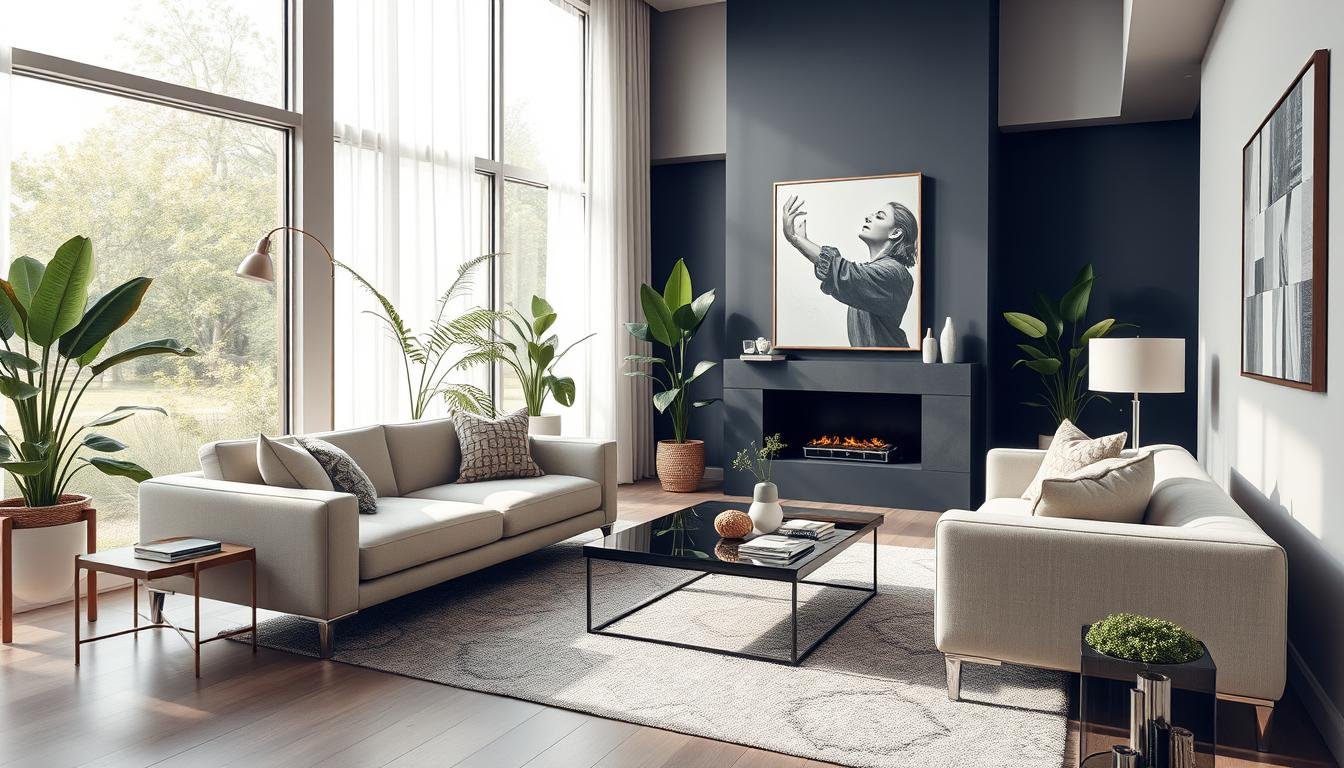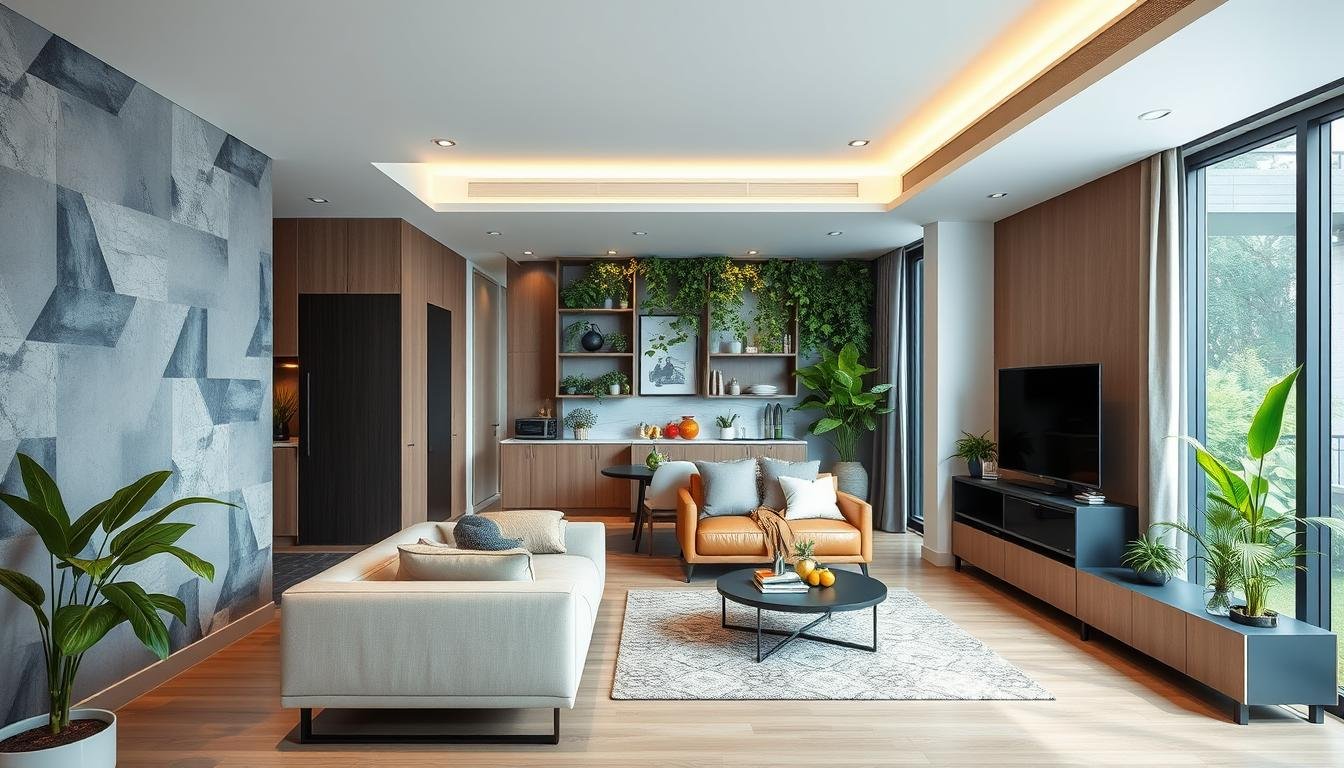
The Singapore property market is always changing. Homeowners want to update their homes to match the latest trends. In 2025, the focus is on making homes sustainable, tech-savvy, and functional.
In 2025, sustainable and eco-friendly design is becoming more popular. Homeowners are choosing materials like reclaimed wood and recycled metals. They want to be kind to the environment.
Smart home technology is also a big trend. Features like automated lighting and climate control are becoming common. They make life easier and more convenient.
Open floor plans are in demand. Homeowners want spaces that can change with their needs. Big windows and skylights are also popular to let in more natural light.
Minimalist design is expected to grow in popularity. It features clean lines and simple colors. But, bold colors are also making a comeback, adding personality to homes.
Biophilic design, which brings nature indoors, is another trend. It creates calm and refreshing spaces. Luxury bathrooms and outdoor living areas are also becoming more popular.
As the real estate market in Singapore changes, homeowners need to stay updated. By following these trends, they can create modern, functional, and sustainable homes. These homes will improve their quality of life.
Key Takeaways
- Sustainability and eco-friendly design are on the rise, with an increased use of sustainable materials such as reclaimed wood, bamboo, and recycled metals.
- Smart home technology integration is a dominant trend, catering to homeowners’ desire for tech-enhanced living spaces.
- Open floor plans with flexible spaces are gaining popularity, allowing for adaptable living areas.
- Maximizing natural light through large windows and skylights is a key focus in 2025 renovation projects.
- Minimalist design with clean lines, neutral color palettes, and clutter-free spaces is expected to flourish.
Understanding Singapore’s Renovation Landscape
The world of Luxury Homes Singapore and Residential Properties Singapore is changing fast. In 2025, people want their HDB flats to be both beautiful and useful. They aim to use every inch of space wisely.
Scandinavian design, known for its simplicity, is becoming more popular. At the same time, eclectic styles let homeowners show off their personal taste. Many also want their homes to feel cozy and welcoming, using natural materials and textures.
Apartment sizes in Singapore are getting smaller. This means smart storage and open layouts are key to making spaces feel bigger. Homeowners are also adding smart home tech to make life easier, safer, and greener.
Renovating a 4-room HDB flat can cost between $30,000 and $60,000. The price depends on the materials and design complexity. A full renovation usually takes 2 to 4 months, while smaller updates can be done in weeks.
Planning carefully and working with experts is vital. Architects, designers, and contractors help make sure the renovation goes smoothly and turns out great.
Budgeting for Your Renovation Project
Starting a renovation project in Singapore is thrilling, but budget planning is key. Costs change based on project size and material choices. For small homes under 100 sqm, a budget of $30,000 or less is common.
For a 3-room or 4-room HDB flat, expect to spend up to $50,000. A 5-room flat might need a budget of $70,000.
Resale properties have different costs. An HDB flat renovation averages $67,000, while a condo can cost about $82,000. New properties are cheaper, with an HDB flat averaging $44,000 and a condo around $39,000.
The design theme also affects costs. Nordic or Scandinavian styles are the cheapest. Minimalist and eclectic styles can add up to $10,000 more.
To keep costs down, consider hiring a contractor over an interior designer. Contractors are often cheaper since they don’t charge for design or consultation. Making a detailed list of renovation areas and setting priorities can also help avoid overspending.
Renovating a house in Singapore is a big financial step. It’s important to plan for unexpected costs. A good rule of thumb is to have a 10% to 30% contingency buffer for your total cost.
By budgeting well and choosing the right contractors and materials, you can turn your Commercial Properties Singapore or Property Market Singapore into your dream home without spending too much.
Choosing the Right Renovation Contractor
Finding the right contractor for your home renovation in Singapore is key. Look for those with lots of HDB renovation experience, proper licenses, and good reviews. Ask about their past projects, timelines, and any challenges they see.
Watch out for low quotes, missing documents, or no references. Working with experienced pros, like interior designers, makes the process smoother and cheaper. Singapore’s renovation market is competitive, seeking skilled workers for quality work.
Industry data shows licensed contractors are vital for HDB renovations. Companies like Thomson Renovation and Reno Guys are known for their skills and wide range of projects. They handle everything from kitchen makeovers to full flat transformations.
Renovation costs in Singapore vary a lot. Light work costs between 16,950 to 20,340 SGD. Moderate work is 43,025 to 51,630 SGD. And big renovations can be 116,550 to 139,860 SGD for a 90-square meter HDB. Upgrades to kitchens, bathrooms, bedrooms, and living rooms can greatly affect the cost.

Working with trusted Property Agents Singapore and Property Developers Singapore helps. They guide you through the renovation, ensuring your investment pays off and adds value to your home.
Securing Necessary Renovation Permits
Renovating your Singapore property needs careful attention to rules. The Housing and Development Board (HDB) has strict guidelines for home renovations. You must get the right permits before starting any work.
You might need a Minor Works Permit (MWP), Building Plan Approval (BPA), or Structural Plan Approval (SPA). The MWP approval process is quick, usually in 1-2 working days. But, BPA and SPA approvals can take longer, from 4-6 weeks to 8-12 weeks.
This process can be tough. Delays in getting approvals can push back your renovation schedule. It’s important to avoid starting work without the proper permits.
Common mistakes include starting work without the right permits and making unauthorized changes. Hiring a licensed contractor who knows HDB rules can help. They ensure you follow rules like noise limits and waste management.
Getting the right permits and following rules is key to avoid fines and delays. By understanding the rules and working with experts, homeowners can smoothly renovate their homes.
Maximizing Space in Your Singapore Home
In Singapore’s busy real estate scene, making the most of your home’s space is key. Homeowners can achieve this through smart storage and design choices. This way, they can make their homes both beautiful and functional.
Using storage solutions wisely is a great start. Think built-in cabinets, under-bed storage, and hidden compartments in furniture. Open concept living also helps, by removing walls to make rooms feel bigger and more open.
Multifunctional furniture is another smart choice. For example, dining tables that also work as desks or sofas that turn into beds. These items save space and keep your home looking neat and simple.
Lofts are also a smart way to add space. They’re perfect for Singapore homes, especially HDB flats, which often have limited space. Lofts can be simple or full, adding value and extra room without big changes.
For homeowners or investors, knowing how to maximize space is crucial. With smart storage, open designs, and lofts, you can create a home that’s both beautiful and practical. This approach improves your living space and enhances your life.
Sustainable Renovation Practices
Sustainability is becoming more important for homeowners in Singapore who are renovating. By using eco-friendly methods, you can lessen your environmental footprint and save money in the long run. You can choose energy-saving appliances and materials that are good for the planet.
One smart move is to get energy-efficient upgrades like LED lights and smart thermostats. These changes can cut down your electricity use and lower your bills. Also, using water-saving devices like low-flow faucets and dual-flush toilets helps save water.
Choosing materials that are sustainable, like recycled glass and reclaimed wood, makes your home healthier. These options also reduce waste and support a circular economy.
Singapore is making big strides in sustainability, like the Singapore Green Plan 2030. This plan aims to boost green growth and energy efficiency. By following these goals in your renovation, you can increase your property’s value and help the environment for future generations.

Choosing Materials Wisely
Renovating your home in Singapore means picking the right materials. The property market here offers many choices. We’ll look at popular options and share tips to save money.
Ceramic tiles, homogeneous tiles, and marble are great for bathrooms and kitchens. They’re durable and water-resistant. Stainless steel piping is also a good choice because it lasts long and is easy to clean.
Think about how long the material will last, if it can handle water, and how it looks. To save money, compare prices, consider the long-term benefits, and find cheaper alternatives that look good.
Limewash and microcement are pricier because they take more work to apply. Rounded shapes in your home can also increase costs. But, kitchen backsplashes might not be worth it since many homes already have finished kitchens.
By weighing the pros and cons of each material, homeowners in Singapore can find a balance. They can choose materials that are affordable, yet still look great. It’s all about finding the right mix of value, function, and style.
Adding Value to Your Home
In Singapore’s property market, smart renovations can really boost your home’s value. Property Agents Singapore and Property Developers Singapore say modern kitchens, updated bathrooms, and energy-saving tech are big hits. Good design makes your home look great and attracts buyers.
Start by upgrading plumbing and electrical systems before you focus on looks. Mixing useful updates with stylish touches can pay off big time. In Singapore, smart home features like automated lights and voice assistants can make your home more valuable.
Homeowners and renters in Singapore want eco-friendly upgrades like energy-saving appliances. Using top-notch materials like luxury vinyl flooring and quartz countertops can also raise your home’s value. Kitchens and bathrooms are key areas to improve, and outdoor spaces like balconies can add to your home’s appeal.
Make sure all maintenance and repairs are current before you start big changes. A neutral, timeless look can attract more buyers and increase your home’s value. With the right plan, your renovation could even double your home’s worth in Singapore.
Handling Common Renovation Issues
Renovating your Singapore property is exciting, but it comes with challenges. You might face delays, disagreements with contractors, and go over budget. To tackle these, keep talking with your contractor and have backup plans ready.
Delays can be tough, but managing the timeline and solving problems fast helps. Disputes with contractors can also cause big problems. Check your contract, try mediation, and keep all talks documented to solve issues.
Budget overruns are common too. To avoid this, save 10-20% of your budget for unexpected costs. Choose affordable materials or simplify designs if needed to stay on budget.
Dealing with these renovation issues needs patience, effort, and teamwork with your contractor. By planning for problems and having a strategy, your renovation in Singapore can go well.
Maintaining Your Renovated Space
Keeping your newly renovated Singapore home looking great is key. Regular upkeep is vital to maintain its beauty and function. This means cleaning grout, checking for leaks, and ensuring good air flow.
It’s important to do seasonal checks on your home. Look at the roof, clean gutters, and service the AC. Working with cleaning and handyman services can make upkeep easier. Online resources for maintenance tips and DIY guides are also helpful.
Good maintenance keeps your home looking good and saves you money on repairs. By keeping up with regular care, you protect your Property Investment Singapore. This way, your renovated space will stay in top shape for years.