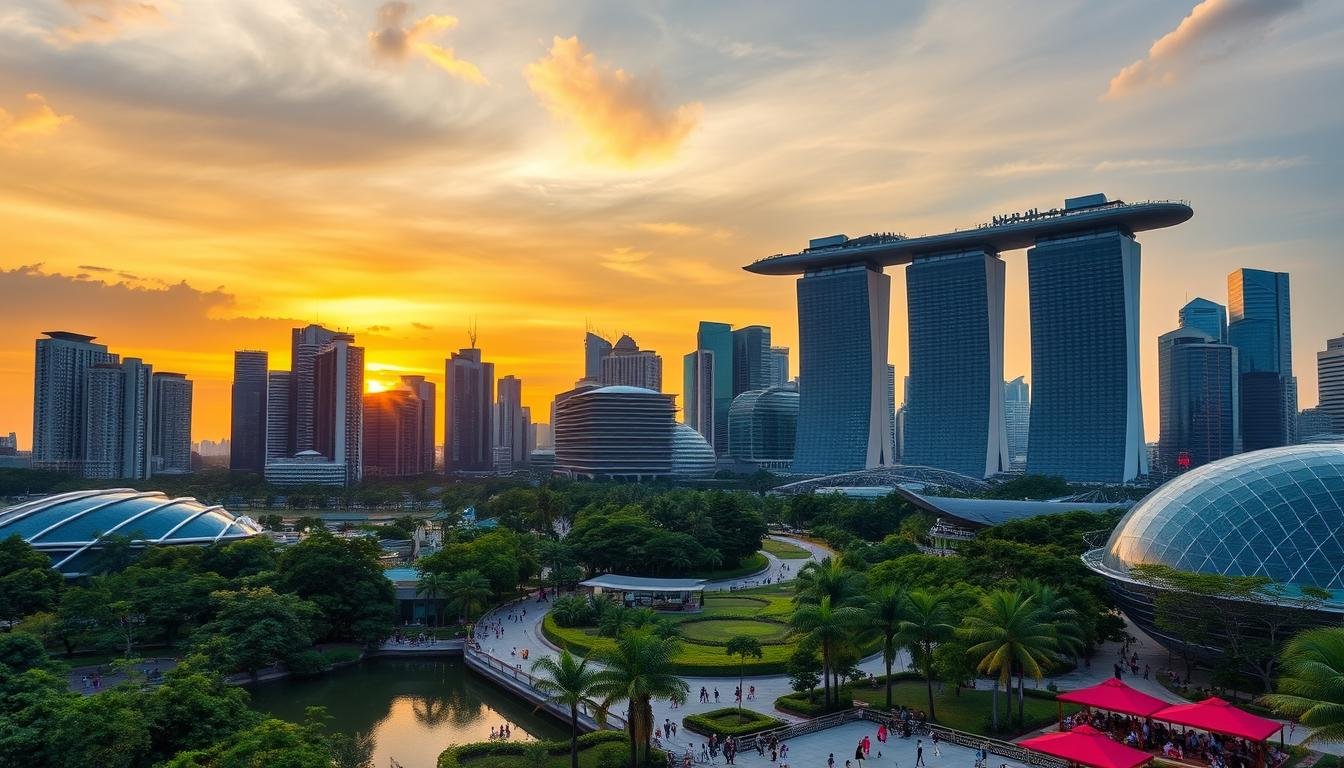
Welcome to our guide on selling property in Singapore in 2025. If you own a property here or are thinking about investing, this guide is for you. It offers valuable insights and step-by-step instructions for the Singapore property market. You’ll learn about the latest trends, how to price your property, and how to market it effectively.
Key Takeaways
- Gain in-depth understanding of the Singapore property market, including HDB and private properties
- Discover strategies for pricing your property competitively and preparing it for sale
- Learn how to choose the right real estate agent and effectively market your property
- Understand the legal requirements and regulations for selling property in Singapore
- Explore tips for navigating the sale process, from open houses to negotiation
- Uncover post-sale considerations, including tax obligations and potential penalties
- Stay informed about the latest trends and changes in the Singapore property market in 2025
Understanding the Singapore Property Market
The Singapore property market is complex and always changing. Trends and prices are shaped by many factors. Recently, there’s a big push for simple designs and homes close to the MRT network.
What makes a property valuable? It’s all about its location, how old it is, and its condition. Being near good schools, parks, and shops also matters a lot.
Over the last ten years, property prices in Singapore have gone up a lot. The average price for a 4-room flat has jumped from $423 to $636 per square foot. This is a 50% increase. At the same time, people’s wages have also risen, but not as fast as property prices.
The government plays a big role in the property market. For example, the Sellers’ Stamp Duty (SSD) affects how quickly you can sell a property. It’s a rule that kicks in if you sell within three years of buying.
Changes in the area can also change property values. This includes new infrastructure, better amenities, and the overall economy. These factors all play a part in how the market moves.
Legislation and Regulations for Selling Property
Understanding the legal side of selling property in Singapore is key. The Conveyancing and Law of Property Act 1886 sets the rules for property deals. It explains important terms and the roles of different people involved.
The Residential Property Act 1976 adds more rules. It talks about approved buyers, foreign buyers, and how to own different types of property.
Singapore’s laws aim to make the selling process clear and fair. The Residential Property Act explains the duties of the Registrar of Titles and Registrar of Deeds. They are crucial for property records and deals.
Homeowners selling HDB flats must pay off Service & Conservancy Charges before the sale is final. Private property sellers might face bank loan penalties and legal costs. Knowing these rules is vital for a successful sale in Singapore.
Preparing Your Property for Sale
When selling your Singapore property, getting it ready is key. Start by clearing out clutter and rearranging furniture. This makes your space feel open and welcoming. Think about hiring professional home staging services to make your living room, kitchen, and other areas stand out.
Don’t forget the importance of good photos to show your property online. Remove personal items and make sure no people or pets are in the shots. You want to show a space where buyers can imagine themselves living.
Also, fix any repairs or maintenance issues. A property in good shape makes a strong impression and boosts your chances of selling. By doing these things, you’ll make your Singapore property look its best to potential buyers.
Pricing Your Property Competitively
Setting the right price for your Singapore property is key to a successful sale. Look at the property’s age, condition, location, and if it comes with furniture. Use online listings to compare prices and see what the market is like.
Getting a professional to value your property is a good idea. It costs between $200 and $400. They can tell you about future developments that might increase your property’s value. But, don’t price it too high. This might scare off buyers and slow down the sale.

Knowing the Singapore property market well helps you price your home right. This increases your chances of selling it fast and for the best price. A well-priced home gets more interest and can sell quicker.
Choosing the Right Real Estate Agent
Finding the right real estate agent in Singapore is crucial. A good agent knows the market well, can negotiate well, and communicates clearly. Ask about their experience, how they market properties, and their commission rates.
Agent commissions in Singapore vary. For HDB properties, it’s 1-2% plus GST. For private properties, it’s 2-3.5% plus GST. Look at their past work, client feedback, and online reviews to judge their skill. Some sellers choose to sell on their own, but this means more work on marketing and paperwork.
Use online sites like Propertyguru.com and 99.co to find agents. Look for those with lots of experience and knowledge in specific property types. Meeting several agents can help you see who fits your needs best.
Make sure to check an agent’s credentials on the Council for Estate Agency (CEA) public register. This ensures they are trustworthy and follow the law. A good agent should answer your questions quickly, keeping communication smooth.
Choosing the right agent in Singapore can make selling your property easier and more successful. Do your homework and check their credentials. This way, you’ll have a positive and efficient selling experience.
Marketing Your Property Effectively
Marketing your property well is key in Singapore. Use online platforms and social media to reach many potential buyers. Create detailed listings on PropertyGuru and Carousell with great photos and highlights.
Don’t forget social media like Facebook, Instagram, and LinkedIn. Share updates and engage with people to keep interest high. Quick responses to questions can also attract more buyers.
Host open houses and virtual tours to let buyers see your property. Use AI tools to make your home look better and more valuable. Keep up with market trends and prices to improve your marketing and pricing.
Use a smart and data-driven marketing plan to find the right buyers in Singapore. The goal is to give buyers all the info they need to decide on your property.
Hosting Open Houses and Viewings
Hosting open houses and viewings is key when selling your Singapore property. These events let you show off your Singapore Condos and the local housing market. This can lead to a higher sale price by creating competition.
Choosing the right time for an open house is important. Weekends are usually better than weekdays. High traffic can mean a higher sale price. It’s best to hold an open house a week after listing to keep things fresh.
Open houses can save time by having many buyers visit at once. But, they can also attract the wrong kind of visitors. This can waste time and make it hard to find serious buyers.
Professional staging can make your property more appealing. It helps buyers imagine living there. A good marketing plan can bring more people to your open house. This can lead to better offers and higher prices, up to 15% more.
While open houses are great for showing your property, they also have risks. Theft and vandalism can happen. It’s important to have good security and manage the crowd well for a successful and safe event.
Negotiating the Sale
Effective negotiation is key when buying a property in Singapore. As a buyer, you need to be ready to handle the negotiation process well. Knowing the local market and how buyers think can help you a lot in these talks.
In Singapore, you often pay an option fee, usually 1% of the price, when you make an offer. This fee lets you have time to check the property and secure it. Real estate agents help a lot in this step, guiding you on the right offer price.
Negotiations are about finding common ground. You might need to adjust the price or terms to agree with the seller. It’s wise to get advice from real estate agents and lawyers to protect your interests.
To get ahead in negotiations, use tools like SRX X-value and ERA’s RealtyWatch app. They help you understand property values and market trends. Keep your financial situation private to avoid giving away too much information.
With a smart approach to negotiation, you can find a good deal in Singapore. This deal should fit your financial plans and future goals.
Closing the Sale Process
Selling your property in Singapore is a detailed process. The closing stage is key to wrapping up the deal. After finding the right buyer and agreeing on terms, you need a conveyancing lawyer for the legal side.
The closing stage includes giving an Option to Purchase (OTP) and getting the option fee, which is 1% of the price. The buyer has 14 days to decide and complete the sale. It’s important to watch out for issues like the buyer backing out or not getting financing.
For HDB flats, sellers can pick from HDB’s lawyers or private ones. But for private property sales, private lawyers are a must for the legal work.
The Singapore property market moves fast, with sales usually done in 60 days. With the aid of seasoned Singapore Property Developers and Real Estate Singapore experts, you can have a smooth closing. This ensures you get the best return on your property.
Post-Sale Considerations
After selling your Singapore property, there are important things to think about. If you sell within three years, you’ll face the Seller’s Stamp Duty (SSD). This duty is 4% to 12% of the selling price, based on how long you owned it. You’ll also have to pay property tax for the time you owned it.
Getting ready to move is key. Start packing and arranging for transport early. Make sure your new place is ready before you leave. Also, fix any issues with the property before you go to avoid problems with the new owner.
By keeping these points in mind, you can smoothly finish your Singapore property sale. Whether it’s your first time selling or you’re an experienced investor, knowing the local market and rules helps a lot.