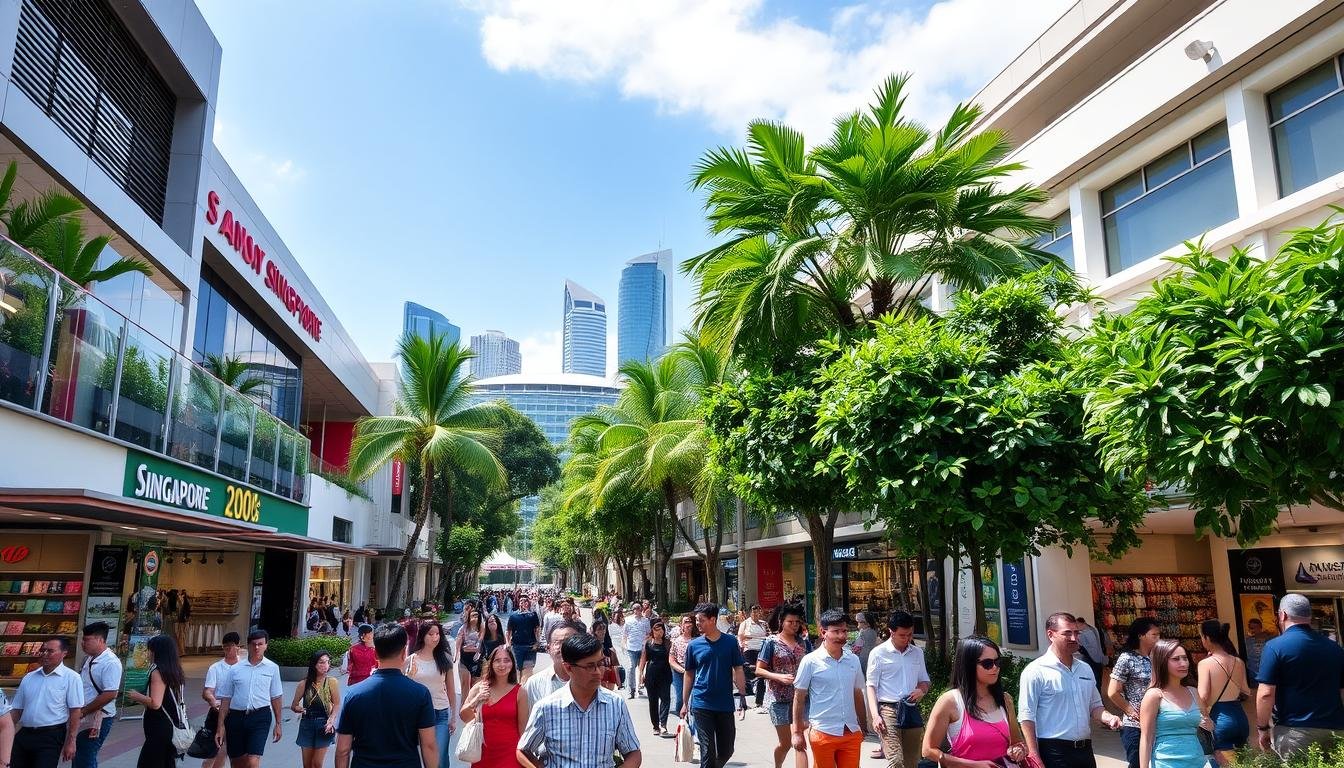
2025 looks promising for Singapore’s retail real estate. The economy is strong, and the government has good plans. Also, how people shop is changing, opening up new chances for investors and builders.
The property market in Singapore is still a great place to invest. Prices went up by 6.8% in 2023, but not as fast as before. Public housing resale prices also rose by 4.8% in 2023. This shows people still want to buy homes, which is good for retail real estate.
The government has big plans to change Singapore. Places like the Greater Southern Waterfront and Punggol Digital District will bring new life to areas. These changes, along with a love for suburban living and green spaces, will make people want to shop in new places.
Also, the interest rates are stable, and foreign investors keep coming. This helps the retail real estate grow. With almost 90% of people owning homes, it’s a great time for retail businesses to do well.
Key Takeaways
- Singapore’s property market remains resilient, with stable prices and sustained demand for both residential and commercial real estate.
- Government-led urban transformation initiatives are reshaping the retail landscape, creating new opportunities for investment.
- Shifting consumer preferences, such as the appeal of suburban living and a focus on sustainability, are driving changes in the retail real estate sector.
- Stable interest rates and continued foreign investment are supporting the growth of the retail real estate market in Singapore.
- The strong rental market and high homeownership rate provide a solid foundation for the retail real estate sector to thrive in 2025 and beyond.
Understanding the Current Landscape of Singapore Property
The Singapore Housing Market is experiencing a slowdown after a fast growth phase. In 2023, private property prices rose by 6.8%, a slower rate than the 8.6% increase in 2022. Public housing resale prices also cooled down, increasing by 4.8% in 2023 compared to 10.4% the year before.
This slowdown is due to the government’s cooling measures. These measures aim to reduce demand from investors, focusing more on owner-occupants.
Despite the adjustments, the real estate sector in Singapore is still lively. PropNex, a leading real estate company, handled 63% of the city-state’s property deals in 2023. They made $624 million in revenue. However, the retail sector is facing challenges due to e-commerce growth and changing consumer habits.
Investors and homebuyers in Singapore need to keep up with the latest market trends and rules. Knowing the Housing Market in Singapore, Property Rentals, and Luxury Homes is key to making smart choices in the future.
The Role of Government Policies in Shaping Retail
The Singaporean government’s policies are key in shaping the property market. They have put in place cooling measures to keep the market stable. For example, there’s a 15-month wait for private-home owners under 55 to move into public housing. This helps ensure public housing goes to those who really need it and prevents the market from getting too hot.
Initiatives like the Greater Southern Waterfront and Jurong Innovation District are changing the city’s face. They bring new chances for real estate investments. Properties in top spots, like Marina Bay Sands and Orchard Gateway, have seen their prices go up a lot.
These integrated developments offer better rental yields and lower vacancy rates. This means property owners get more stable income. The government’s rules and zoning help these developments succeed, making the property market stronger.
The government is working on better connectivity, like the North-South Corridor and the RTS link. This will make Singapore’s properties more attractive. The growth of Tuas Port and Changi Airport Terminal 5 will also boost Singapore’s role as a global hub. This will increase demand for real estate investments.
Consumer Behavior Shifts Post-Pandemic
The Housing Market in Singapore has seen big changes after COVID-19. Now, people want bigger homes and suburban areas because they work from home. This has made local shopping more popular, with people choosing nearby Condominium Living over long trips to the city.
Experiential retail is becoming more popular, as shoppers look for special in-store experiences. Stores like Living Shrimply and Ginlee Studio have seen success by building community and offering fun experiences. Experts say that teaching customers about products is another big trend now.
The way we shop online and offline is changing. More than 34% of Southeast Asian shoppers bought clothes online for the first time in 2020. Yet, long delivery times and shipping fees are big downsides of online shopping for many.
These changes in how people shop are affecting Singapore’s housing market. Understanding these trends is key for developers and investors in the Residential Properties and Condominium Living sectors.
The Importance of Location in Retail Success
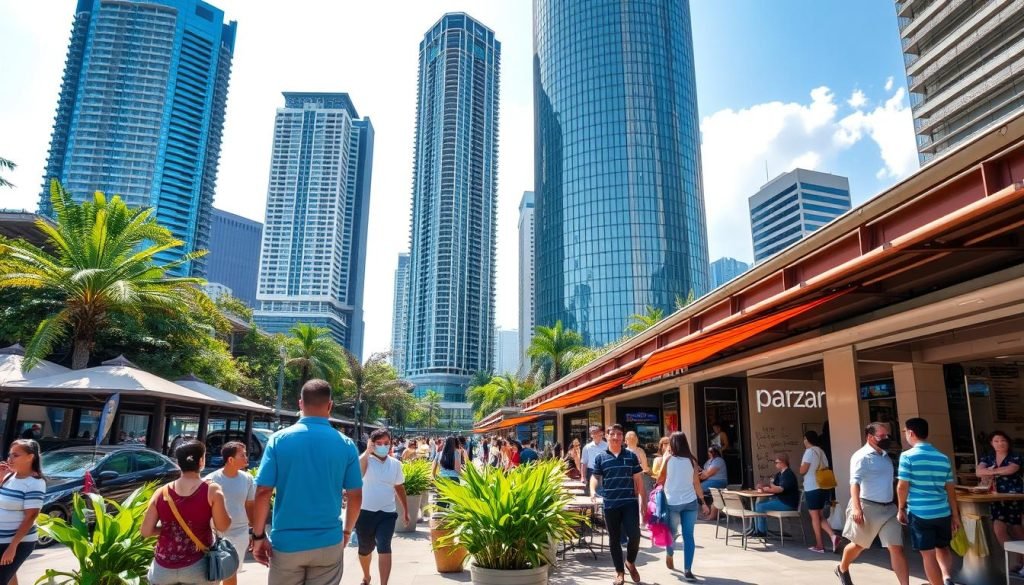
In Singapore’s retail world, location is key for success. Areas like Orchard Road, Marina Bay, and Sentosa draw high-end stores. They’re known for luxury and lots of foot traffic. But, places like Punggol and Jurong are also getting attention thanks to new developments.
Being close to MRT stations and transport hubs matters a lot. Singapore’s growing transport network opens up new retail spots. This change is because people want easier-to-reach stores.
Property Agents are crucial in finding the best spot for businesses. They look at foot traffic, competition, and safety. This helps retailers find the right place to grow in Singapore.
The size and layout of commercial spaces are also important. Malls and downtown areas are great for attracting lots of customers. But, smaller businesses might prefer stand-alone buildings or home-based shops for cost savings.
As Singapore’s retail scene changes, location remains key. Smart businesses and Property Agents need to keep up with trends and policies. This way, they can make the most of the market’s opportunities.
Innovations Driving Retail Real Estate Forward
The real estate scene in Singapore is changing fast. New tech is making homes smarter and retail better. Now, people can control their homes with phones or voice commands. Stores are using tech to make shopping more fun, like with virtual try-ons and personalized help.
Smart shopping is mixing online and offline, changing retail and property plans. Prime office rents in Singapore went up 5.1% last year. The retail sector is expected to grow 3-5% as tourism comes back. Stores are focusing on unique experiences to stay relevant.
Platforms like BuildingMinds, started in 2018, help real estate go green and digital. There’s a push for better ESG reporting, using standards like GRI and SASB. This is making investors and buyers want greener properties.
As Singapore’s real estate market grows, tech, green living, and customer focus will be key. These elements will shape the future of retail investments, property values, and luxury homes.
Sustainability Trends in Retail Development
Sustainability is now a key focus in Singapore’s property and housing market. More buildings, including condos, use eco-friendly materials and tech to cut down on carbon emissions. The Building and Construction Authority’s (BCA) Green Mark certification is becoming standard for new projects. By the end of 2023, over 4,600 buildings will meet these standards.
Retailers are adopting eco-friendly steps, like energy-saving lights and green packaging. They aim to meet the country’s green goals. Green building features, like gardens and water-saving systems, are changing retail and homes in Singapore. This move towards green is vital, as buildings use 60% of the country’s energy.

The Singapore Green Plan 2030 sets a goal for 80% of buildings to be green certified by 2030. This shows the government’s big plans for the real estate sector. Developers are using sustainable materials like recycled steel and bamboo to lower emissions. They’re also installing energy-saving systems and LED lights to cut costs and harm to the environment.
The Investment Outlook for Retail Properties
The outlook for Singapore’s retail properties in 2025 is bright. Growth has slowed down, but the market is still strong. Properties in good locations and integrated developments are drawing investors.
The rental market is doing well, thanks to Singapore’s growing population and expats returning. Retail properties offer steady income and long-term value. This makes them appealing to investors looking to diversify.
Research by Jones Lang LaSalle shows the retail market is set for a comeback. This is due to the economy opening up, economic growth, and moving past COVID. Domestic consumers in Singapore are expected to see better wages and savings, helping them face higher costs.
Investment sales for retail properties in Singapore are expected to hit S$22 to S$23 billion this year. This is a 10% jump from S$20.5 billion in 2023. The Q4 saw a drop in sales, but the public sector’s S$2.9 billion investment shows ongoing interest.
The outlook for Commercial Properties in Singapore is also positive. Retail assets are expected to see better deals in 2024, with yields around 4% for prime suburban malls. Experts predict more investment in 2024, thanks to falling inflation and positive investor mood.
The Impact of International Brands on Local Markets
Singapore’s retail real estate market has been shaped by international brands, especially in luxury. The city-state’s status as a global hub and its wealthy consumers draw high-end brands to prime shopping areas. This demand for premium spaces drives the market.
The arrival of these brands boosts local market activity. It increases foot traffic and sales, benefiting not just the flagship stores but also nearby retailers and property values. This shapes how retail property is developed and invested in Singapore.
Recent data shows over 90% of Singaporean stores now accept cashless payments, showing the tech-savvy nature of consumers. Also, Singapore has a strong online presence, with 5.79 million internet users and 5.13 million active social media users as of 2024.
While global brands are popular, local brands are also key in Singapore’s retail scene. Consumers often choose local for fresh foods and some products, like 36% for vegetables. But, in beauty and electronics, international brands are more favored, with 44% and 69% of Singaporeans choosing global brands.
The effect of international brands on Singapore’s retail real estate is clear. As the country attracts more luxury brands and global players, developers and investors must watch these trends. They need to adapt to the changing local market.
Case Studies of Successful Retail Projects
Singapore’s retail real estate has seen many success stories. These stories show how the sector can adapt and stay strong. They offer great lessons for those in the retail market.
One example is the makeover of older malls. They now have local and international brands, new food spots, and lifestyle areas. This change has drawn in a younger crowd. The Suntec City project, finished in under nine years, shows the impact of smart changes.
Mixed-use properties are another success story. They combine retail, office, and residential spaces. The Marina Bay Financial Centre is a great example. It has made Singapore a top financial center and created a lively community space.
These examples show the key to success. It’s about finding the right mix of local and global brands, adding unique experiences, and building connected spaces. By learning from these projects, professionals can better understand and succeed in Singapore’s retail market.
Challenges and Opportunities Ahead in 2025
Looking ahead to 2025, Singapore’s property market has both ups and downs. We need to watch GDP growth, inflation, and how people spend money. But, there are risks like global economic worries, policy changes, and shifts in what people want.
Despite these hurdles, there are bright spots in the housing market. New areas, green buildings, and creative retail ideas could grow. By spreading out investments, focusing on flexible retail, and keeping up with tech, we can face these risks head-on.
The rental market has seen a 4% drop in the last four quarters. But, after a 60% jump in three years, demand for property is still high. In October 2024, 738 new private units were sold, a big jump from the month before.
As the market changes, investors and developers must stay alert. They need to watch the economy, government actions, and how people’s tastes change. This will help them tackle challenges and grab opportunities in 2025.
Conclusion: What to Expect in Singapore Retail Real Estate by 2025
Singapore’s real estate market is set to bounce back after the pandemic. The retail sector is expected to grow, thanks to new trends. These include using technology, focusing on sustainability, and creating mixed-use properties.
The government’s plans and policies will shape the market. Investors can find good opportunities in prime locations and new areas. The outlook for 2025 is positive, thanks to Singapore’s strong economy and strategic location.
Despite changes in interest rates and global factors, demand for homes will stay strong. Sellers need to keep up with trends and make smart moves. Government efforts, changing consumer tastes, and tech will influence the future of real estate in Singapore.