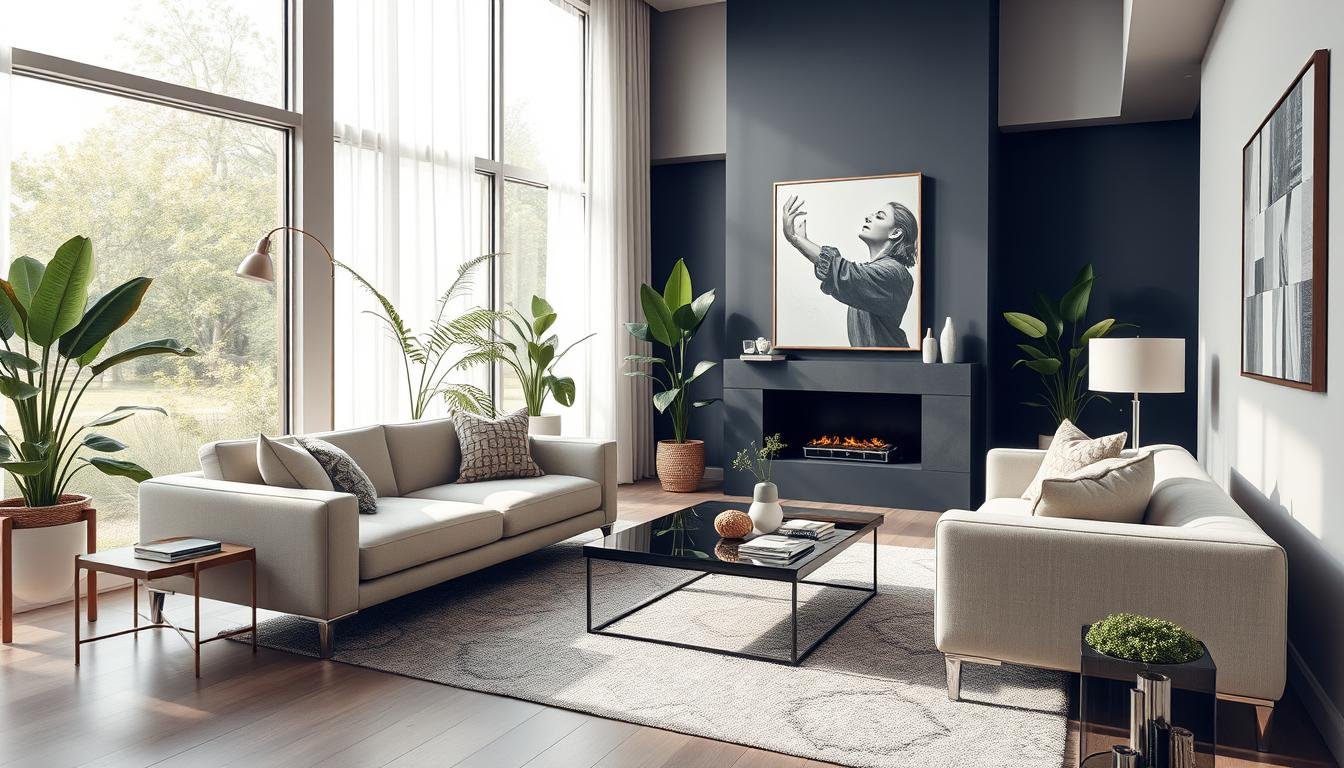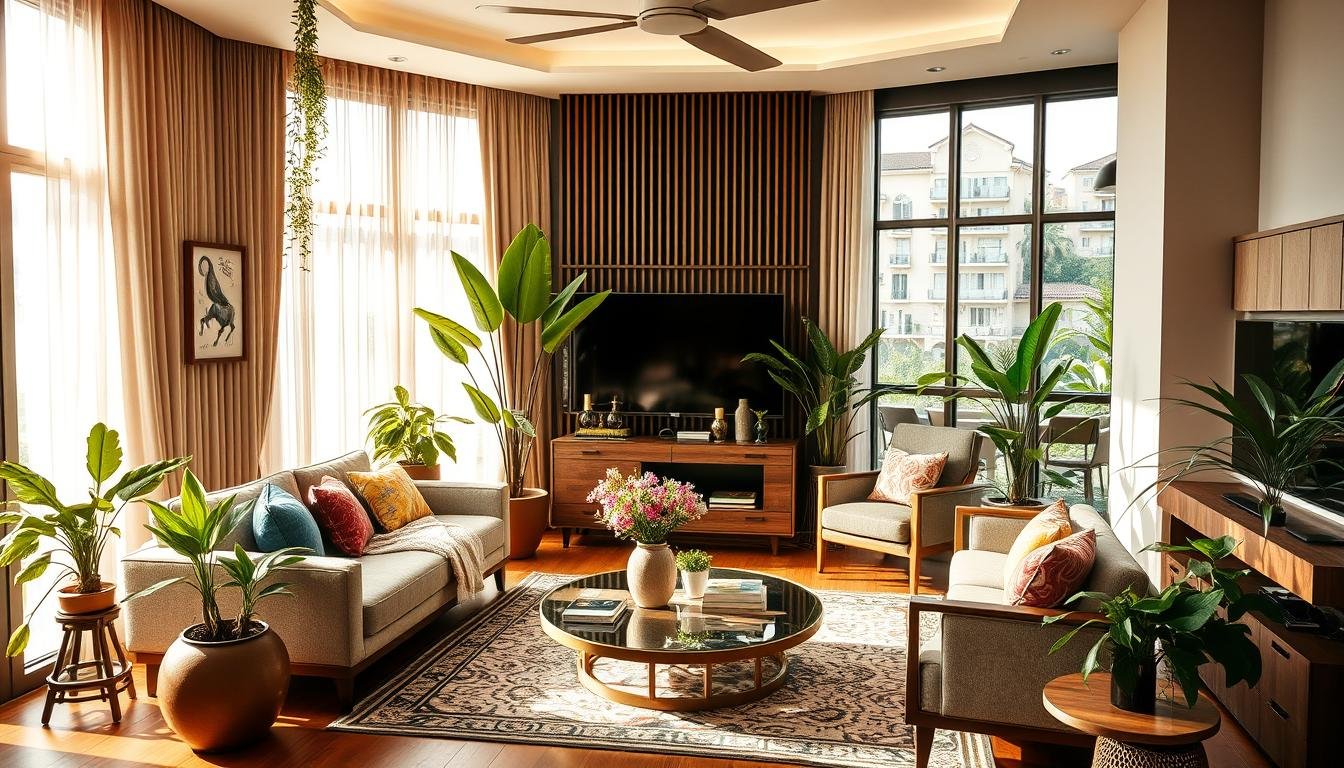
Singapore’s commercial real estate market is changing fast. Prime office rents have gone up by 5.1%. The retail sector is also growing, thanks to more tourists, who are interested in home decor and interior design.
The rise of online shopping and changing consumer habits are pushing retailers to keep up. They are now adding home decor touches to their stores. This is changing how commercial spaces are designed and laid out, including the use of home accessories.
As the retail world changes, stores are working to create memorable experiences. They are mixing online and offline shopping. They also use technology to make shopping more engaging for customers.
The demand for unique and personalized home decor and interior design is growing. This is boosting the retail sector and shaping commercial property in Singapore.
Key Takeaways
- The retail sector in Singapore is expected to rise by 3-5% in 2023, driven by tourism and changing consumer behavior.
- The home decor and interior design sectors are driving the growth of the retail sector, with a focus on unique and personalized products.
- Commercial property in Singapore is being influenced by the rise of e-commerce and changing consumer behavior, with a focus on creating immersive experiences.
- The use of home accessories is becoming increasingly important in retail spaces, as consumers seek to create personalized and unique environments.
- The demand for home decor and interior design is on the rise, driving the growth of the retail sector and influencing commercial property in Singapore.
- Singapore’s commercial real estate market is expected to continue growing, driven by a strong economy and evolving consumer preferences, with a focus on home decor and interior design.
- The incorporation of technology, such as augmented reality, is enriching customer engagement and fueling the growth of the retail sector, mainly in home decor and interior design.
The Evolution of Retail Space in Singapore’s Commercial Property Market
Singapore’s retail sector is growing fast, with prime location rents expected to go up by 3-5% in 2023. This growth is because people want to experience products and brands in new ways. Stores are now using wall art, furniture, and decorating ideas to make these experiences happen.
The retail sector is set to grow by 3-5% in 2023, thanks to tourism and new retail strategies. Retail rents have gone up by more than 5% in a year, showing the market’s strength. Stores are now using wall art and furniture to make their spaces unique and engaging.
Decorating ideas are key in shaping the retail experience. By using lighting, color schemes, and textures, stores can create an immersive atmosphere. As retail keeps evolving, we’ll see even more creative uses of wall art, furniture, and decorating ideas.
The rise of experiential retail strategies is also boosting the sector. These strategies focus on creating memorable experiences for customers. By adding wall art, furniture, and decorating ideas, stores can offer unique and engaging environments that keep customers coming back.
Understanding Modern Home Decor Retail Dynamics
The home decor market is changing fast. Retailers are adjusting to new consumer habits, thanks to tourism coming back and more online shopping. The global market is expected to hit US$ 394,715.7 million by 2033, growing 6.2% annually from 2023 to 2033. In Singapore, the market share is 1.4% in 2023, showing a rise in demand for home improvement and styling products.
Online shopping has changed how we buy home decor. Yet, physical stores are key for a special shopping experience. Stores are now cozy and inviting, blending online and offline shopping. They focus on home improvement and styling to make the atmosphere better.

To make a cozy home, experts suggest using three types of lighting: ambient, accent, and task. Houseplants are also great for calming effects. Wall art can greatly change a room’s mood.
As shoppers become more picky, home decor stores must offer a personal touch. They should sell products that show off personal style and unique collections. By adding home improvement and styling touches, stores can make a cozy atmosphere. This can boost sales and keep customers coming back in the competitive market.
The Rise of Multi-Functional Retail Spaces
The retail scene in Singapore is changing fast. People want unique shopping experiences. Stores now offer more than just products; they have modern decor, interior design, and home accessories.
These elements make shopping more fun. They create spaces where you can shop, eat, play, and learn. It’s all about giving customers a memorable experience.
Home decor and lifestyle items are key in these new stores. They help create a brand experience that customers love. Home accessories make shopping more fun and interactive.
Recent stats show the decorative shelves market will hit USD 12.8 billion by 2034. It’s growing at 6.84% each year. This is because people want to improve their homes, have more money, and live in cities.
But it’s not just homes that are changing. Hotels, restaurants, offices, and stores are also using decorative shelving. As retail keeps evolving, it will be exciting to see how stores use decor and accessories to make shopping special.
Technology Integration in Home Decor Retail Spaces
Technology is changing the home decor retail world, making shopping better. Stores with augmented reality (AR) and virtual reality (VR) are getting more people involved. These tools let customers see furniture and ideas in a new way, making shopping fun and interactive.
AR and VR are becoming key in home decor shopping. About 30% of people use these tools when buying home decor. The smart home tech market is growing fast, with a 25% CAGR from 2020 to 2026. Stores are adding digital signs and interactive displays to blend online and offline shopping.
Commercial interior design firms are key in using space and tech well. They focus on how people move and the look of the space. Working together, retailers and designers make stores that fit the brand and what customers want. Stores use smart lights and RFID to make shopping more personal and fun.

Technology in home decor stores is making shopping better and influencing what people buy. Mobile tech, like personalized tips and easy payments, helps customers choose wisely. As smart home tech grows, stores need to keep up, adding more tech to stay ahead.
Sustainable Design and Green Building Trends
The world is moving towards being more eco-friendly. This shift is making sustainable design and green building trends key in commercial property development. The built environment is responsible for 30% of global greenhouse gas emissions. This makes it a major area for reducing our carbon footprint.
Home improvement and home styling are essential in creating sustainable and cozy homes. There’s a growing focus on energy-efficient design and green building practices.
Energy-efficient systems and appliances are vital in sustainable design. They can save a lot of money over a building’s lifetime. Smart home technology also helps save energy by letting clients control settings remotely.
For example, LED bulbs last about 15,000 hours, longer than other types of lighting. Energy Star-rated appliances can also cut down energy use in homes. This makes them a good choice for those wanting to save energy and create a cozy home.
Sustainable furniture and building materials are also becoming more popular. Many homeowners choose locally sourced materials and non-toxic finishes. About 75% of homeowners are willing to pay more for sustainable features in their homes.
This shows that home improvement and home styling are key in shaping the future of commercial property development. They help create cozy homes that are not only beautiful but also good for the environment.
Location Strategies for Home Decor Retailers
The location of a home decor store is key to its success. Stores are picked for high foot traffic and visibility. This lets them show off their products, like wall art and furniture, to many people.
By making shopping fun and interactive, stores can draw in customers. This encourages people to look around and find new things to decorate with.
Stores in busy places like malls or downtown areas are great choices. They offer a chance to make a welcoming and easy-to-get-to space. Placing products well, like wall art and furniture, makes shopping memorable. This builds loyalty and brings customers back.
Adding decorating ideas and trends to store designs makes them stand out. This unique atmosphere helps stores compete and attract more customers.

Good store layouts, including where to find cash registers and products, are important. They make shopping easier and more enjoyable. This leads to more sales and happy customers.
Using wall art, furniture, and decorating ideas makes stores look good and fun. It invites customers to explore and find new things.
To succeed, home decor stores need to offer a special shopping experience. They should show off their products and ideas in a way that’s easy to see and fun to explore. By choosing the right locations, organizing their stores well, and using wall art and furniture, retailers can grow and become leaders in the market.
Adapting Commercial Spaces for Modern Home Decor Retail
In Singapore, the retail scene is changing fast. Making commercial spaces fit for modern home decor is key. This means adding modern decor, interior design, and home accessories to make spaces welcoming. About 30% of new retail spots in Singapore come from old buildings being repurposed in the last five years.
Using old buildings for new shops is smart and good for the planet. It can save up to 25% on renovation costs compared to building from scratch. It also cuts down on waste by half, helping the environment. Companies like Asian Paints and Godrej Interio are helping by providing tailored solutions for these unique spaces.
Interior designers in Singapore mix modern and traditional styles. They use green materials, handmade items, and classic floor designs. This creates spaces that are both stylish and true to their heritage. As cities grow and people want unique shopping experiences, adapting old spaces is a chance retailers shouldn’t miss.
By choosing to reuse and add modern touches, shops can make spaces that look great and are good for the planet. As Singapore’s retail scene keeps changing, it will be exciting to see how shops adapt and get creative to meet customer needs.
Investment Considerations for Property Owners
Investing in commercial property, like home decor and furniture, requires knowing market trends and consumer behavior. Property owners must think about location, market access, and transport links. They use methods like the sales comparison and income approaches to value properties.
For a good return, achieving positive cash flow is key. Creating welcoming retail spaces with smart decorating can boost profits. Owners should watch out for costs like maintenance and taxes, which affect cash flow. With Singapore’s property prices up 10.6% last year, keeping up with the market is critical.

Real estate investing can diversify your portfolio, thanks to its low correlation with other assets. Choosing the right mortgage is important, with options like fixed and adjustable rates. A high credit score can lead to better mortgage terms and savings. By understanding these factors and staying informed, property owners can make their investments in home decor and furniture profitable.
Regulatory Compliance and Zoning Requirements
Understanding regulatory compliance and zoning requirements is key in Singapore’s commercial property development. It’s important to know the rules and codes that guide the industry. For example, the Building Control (Environmental Sustainability) Regulations require a minimum of 5,000m² for new buildings and expansions.
Home improvement projects must follow these rules to ensure a cozy and sustainable home. Home styling also plays a big role in making a home compliant and cozy. The Code for Environmental Sustainability of Buildings sets a framework for developers.
By adding green features and saving energy, developers can make stylish and sustainable homes. This is even more important for projects on Government Land Sales sites, which need higher Green Mark standards.
Developers must also follow rules on data protection and privacy. The GDPR and CCPA impose strict penalties for not following these rules. By focusing on regulatory compliance, developers can create homes that are sustainable and meet all standards.
Shaping Tomorrow’s Retail Landscape in Singapore
The modern decor, interior design, and home accessories industries are changing fast. This change will bring new excitement to retail and property development in Singapore. New tech and a focus on the environment will change how we shop and decorate our homes.
Retailers must now offer unique, hands-on shopping experiences. They need to mix the old with the new, using tech like augmented reality. This lets shoppers see and change their home decor ideas. At the same time, more people want to buy things that are good for the planet. This means more focus on green products and building.
As Singapore’s retail scene evolves, property owners and developers must keep up. They should create spaces that can change with the times. This way, their properties will stay relevant and valuable. The connection between retail and property will shape the look and feel of Singapore’s cities.