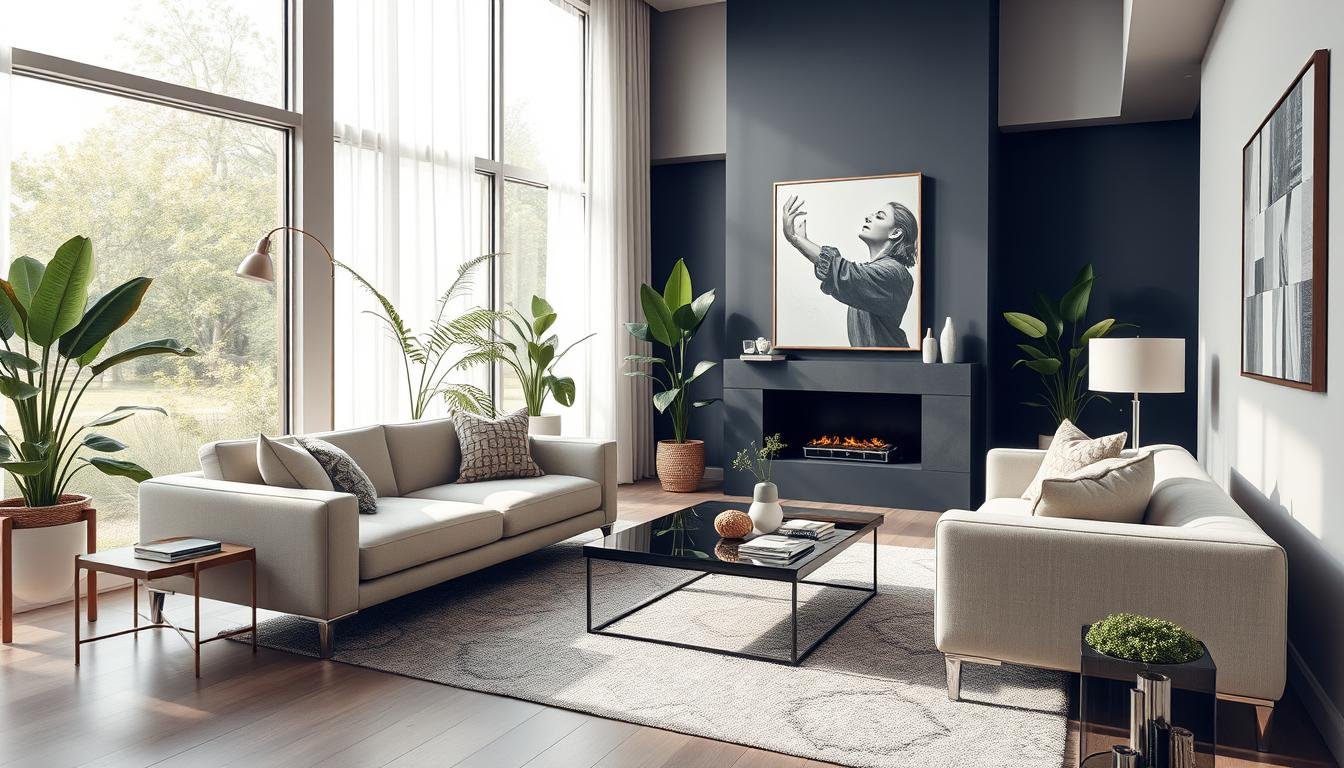
Environmental sustainability is now key in Singapore’s property scene. The government wants a green economy, and people are more aware of environmental issues. This change is making developers and homeowners use eco-friendly materials and energy-saving appliances. They do this to lessen their impact on the environment and improve their homes.
Energy use in buildings worldwide has gone up by 4% in ten years. CO2 emissions have also increased by 5% from 2020. In Singapore, buildings are responsible for over 20% of carbon emissions. This shows the need for green home decor and design.
The Singapore government has a goal to make 80% of buildings ‘green’ by 2030. They aim to use sustainable financing and cut down on carbon footprints in real estate.
Going green can make properties more valuable over time. Many home buyers want energy-efficient homes. Floor plans with green features are also more appealing.
By using sustainable accessories and design, developers and homeowners can help the environment. They can also increase their property’s value.
Key Takeaways
- Environmental sustainability is a key factor in Singapore’s property development.
- Sustainable home decor solutions, like eco-friendly materials and energy-efficient appliances, can reduce environmental impact and enhance interior design and accessories.
- The Singapore government’s 2030 Green Plan aims to have 80% of all buildings ‘green’ by 2030, promoting sustainable financing and reducing carbon footprints.
- Sustainable home decor and interior design can increase property value in the long term.
- Two-thirds of home buyers prefer energy-efficient homes, and floor plans with sustainability features have a higher purchase preference.
- Incorporating sustainable home accessories and interior design solutions can reduce environmental footprint while increasing property value.
The Evolution of Green Building Standards in Singapore
Singapore has made big steps in green building through the Building and Construction Authority (BCA) Green Mark scheme. Launched in 2005, it has certified over 2,800 buildings. Almost 33% of Singapore’s built area is now certified.
The BCA wants to green 80% of buildings by 2030. To reach this goal, the Green Mark scheme has been updated. The new standards are effective from 1 December 2021.
Improving homes and styling them is key to reducing environmental impact. By following green building standards, developers and homeowners can lower their environmental footprint. They can also increase their property’s value.
The new Green Mark criteria focus more on occupant well-being and behavior. They also highlight passive design to use natural sunlight and ventilation.
The updated criteria aim to reduce heat gains and losses. They set a maximum “residential envelope thermal transmittance value” for certification. The BCA also offers a cash incentive scheme, GMIS-EB 2.0, with a $63 million budget.
This scheme helps building owners with energy efficiency retrofits. As demand for sustainable buildings grows, home improvement and styling will play a bigger role. They will help reduce environmental impact and promote sustainability.
Understanding Sustainable Architecture in Modern Singapore
Singapore is becoming a City in Nature, focusing on green spaces and natural habitats. This vision has led to more sustainable architecture. Property developers and homeowners are adding green spaces and vertical gardens to their properties.
This not only makes properties look better but also offers environmental benefits. It helps reduce urban heat and improves air quality.
Modern homes now use natural ventilation and daylight to cut down energy use and improve air. Air wells and smart window placements help with air quality and lighting. This shift from luxury to eco-friendly design promotes well-being and harmony in homes.
Room Decor and Housewares play a big role in sustainable home design. There’s a focus on energy-saving appliances and eco-friendly materials.

Singapore is known for its commitment to green architecture and urban design. By 2023, over 70% of its buildings will have eco-friendly elements. Sustainable materials can cut a home’s carbon footprint by about 30%.
Energy-efficient appliances can use 10-50% less electricity than old ones. By using these sustainable features, homeowners can make their spaces more livable and eco-friendly. This benefits the environment and improves the well-being of those living there.
Energy-Efficient Design Solutions for Singapore Properties
Singapore is leading the way in sustainability with green projects and urban plans. Using solar panels and energy-saving appliances in homes can cut down energy use. This also means lower bills for utilities.
For example, switching to energy-efficient lights and appliances can save up to 30% on electricity costs. Eco-friendly materials like bamboo and reclaimed wood are also used in construction. These choices help reduce environmental harm.
Adding Wall Art from sustainable materials can make a room look great while being good for the planet. Furniture made from wood certified by the Forest Stewardship Council (FSC) is another way to be eco-friendly. It ensures wood is sourced responsibly, reducing carbon emissions from transport.
Using natural ventilation can cut down on air conditioning needs by up to 30%. This lowers energy use and costs. Indoor plants also improve air quality, removing toxins by 50-70%.
Energy-efficient designs help Singapore properties be kinder to the environment. They make living better for everyone. As more people want sustainable homes, it’s key to focus on green design. This includes using sustainable Furniture and Wall Art.
Sustainable Home Decor Trends Transforming Singapore Interiors
Singapore is seeing a big change in home decor, moving towards eco-friendly options. People are choosing materials and furniture that are good for the planet. They want homes that look great and help the environment.
More homes are using recycled and upcycled materials, cutting down on waste. Bamboo flooring is popular because it grows fast and is sustainable. Also, paints that don’t harm the air are becoming a favorite choice.
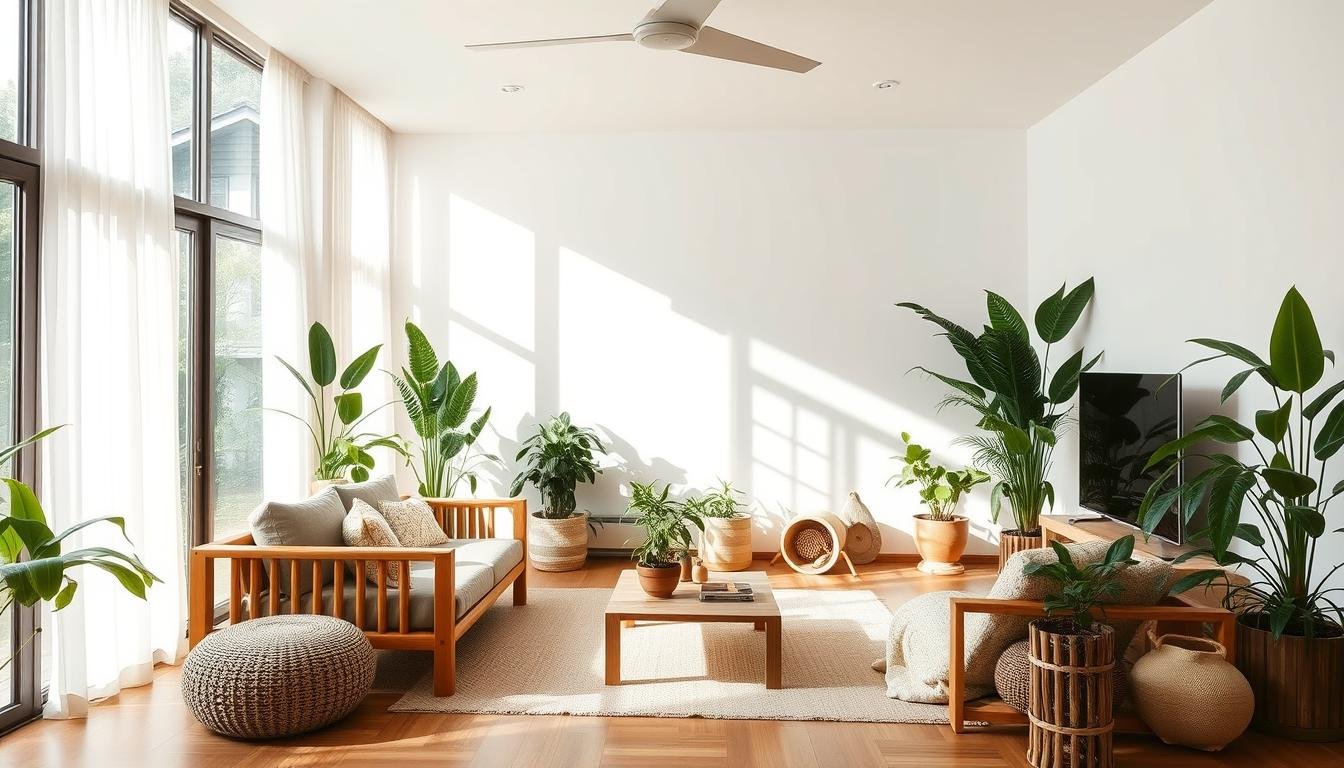
Singaporeans are loving designs that bring nature inside, like biophilic design. The Japandi style, blending Japanese simplicity with Scandinavian warmth, is also popular. These trends show a big move towards living greener, with eco-friendly products growing in demand by about 10% each year.
Water Conservation Features in Modern Properties
Water conservation is key in Singapore’s sustainable growth. It aims to cut down water use and boost efficiency. Properties now include features like low-flow fixtures and grey water systems to help. These elements are vital for Home Improvement.
Low-flow showerheads and toilets are easy ways to use less water. They work well without using more. Grey water systems also help by using water for tasks like flushing toilets and watering plants. This cuts down on the need for clean water, helping the environment and making homes more sustainable.
Adding water-saving features to homes is a smart move. It lowers water use and supports the environment. It also saves money in the long run. As more people look for eco-friendly homes, these features make properties more appealing. They attract buyers who value sustainable living and Home Improvement.
Eco-Friendly Building Materials and Their Implementation
The world is moving towards sustainable living, and eco-friendly building materials are getting more popular in Singapore. These materials help reduce environmental impact by using recycled items and sustainable sources. This not only cuts down on waste but also supports sustainability.
For example, using recycled glass and plastic can greatly reduce landfill waste. This action lowers the environmental footprint of buildings.
In Room Decor, homeowners can choose sustainable materials like bamboo and natural textiles. These are biodegradable and have less environmental impact. Eco-friendly housewares are also becoming more popular, making indoor spaces cleaner and healthier.
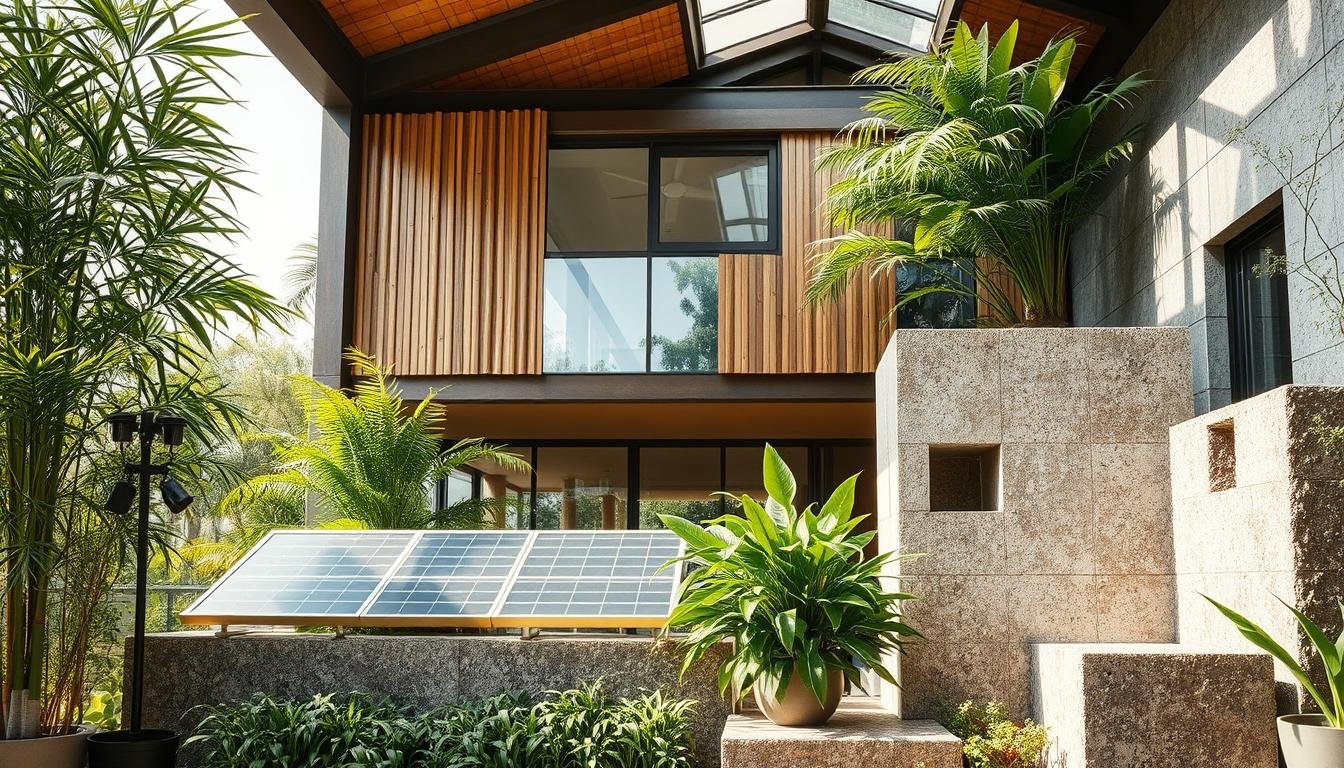
Using eco-friendly materials can make buildings more energy efficient, saving money in the long run. For instance, straw bales for insulation can cut heating and cooling costs by about 50%. Materials like reclaimed wood and cork also help prevent deforestation, supporting sustainability.
By choosing eco-friendly building materials, developers and homeowners can make a big difference. They can reduce their environmental impact and create sustainable living spaces. This is a key step towards a greener future.
By focusing on Room Decor and Housewares made from eco-friendly materials, we can all help. This reduces carbon emissions and promotes a healthier environment. As more people seek sustainable living, investing in eco-friendly materials is essential.
Green Spaces and Vertical Gardens in Urban Properties
Green spaces and vertical gardens are gaining popularity in cities. They help lower the area’s temperature, improve air quality, and make properties look better. This is key in places like Singapore, where the city’s heat can rise by up to 5°C.
These green areas do more than just cool down. They also clean the air by removing harmful pollutants. Plus, being near green spaces can reduce stress and boost mental health. To make these spaces even better, people can use Furniture from sustainable sources and hang Wall Art that celebrates nature.
More companies are adding vertical gardens to go green. They use recycled materials and save water, showing their commitment to the planet. With the vertical garden market growing fast, this trend is here to stay. By adding green spaces and vertical gardens, we can make cities better for everyone and the environment.
Smart Technology Integration for Sustainable Living
Smart technology is changing how we live, making homes more green and energy-smart. In Singapore, where saving the environment is key, smart tech is helping a lot. It cuts down energy use and supports eco-friendly living.
Homeowners can lessen their impact on the planet by using smart tech. This includes energy management systems, automated lights and temperature control, and smart security. These tools make homes more livable and sustainable.
Studies show that smart lighting and climate control can cut energy use by up to 30%. This leads to big savings on utility bills. In Singapore, smart homes are now 20% more energy-efficient. With 70% of homeowners wanting smart tech, the demand is growing.
Smart tech can also make homes look better. Features like voice-activated assistants and customizable designs are popular. They add style and function to any space.
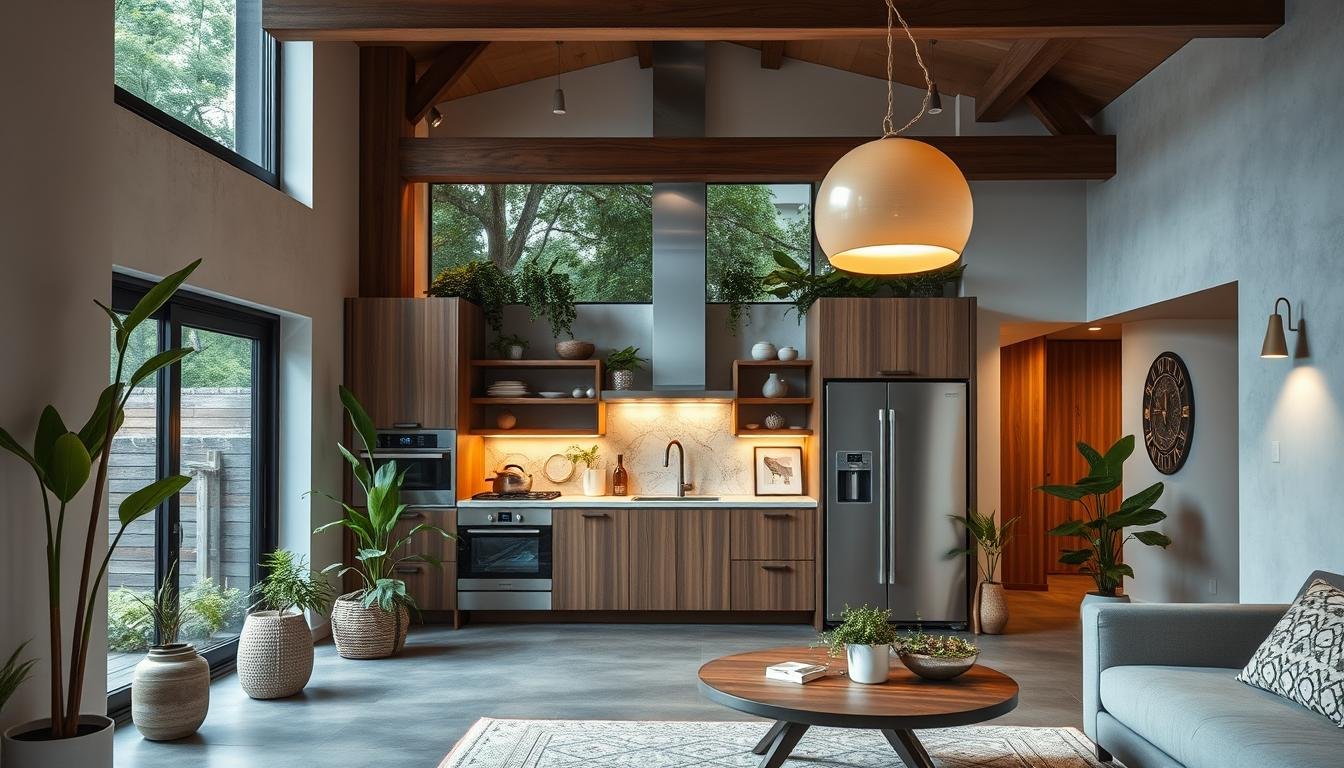
Smart technology can also improve Home Decor and Interior Design. Smart furniture sales are up 25% each year. People want furniture that does more and is high-tech.
By adding smart tech to their homes, people can live more sustainably. They can use smart blinds, curtains, and thermostats. These tools help save energy and support eco-friendly living.
Cost Analysis of Sustainable Property Development
When we talk about sustainable property development, cost is a big worry. But, adding green features can really pay off. For example, using energy-saving appliances and solar panels cuts down on bills. This boost in value can draw in buyers who want eco-friendly homes.
Looking at Home Improvement, green features can also up a property’s resale value. Studies show homes with green certifications can get up to 15% more rent. They also sell for 10-20% more than non-certified homes. Plus, the demand for green building materials is growing fast, making it a smart investment for developers.
Let’s look at a property that uses energy-saving designs and green Home Accessories. It can cut energy use by 30-50%, saving a lot of money. Using eco-friendly materials also makes the property more appealing to those who care about the environment.
In summary, sustainable property development is a smart choice. It not only saves money but also makes properties more valuable. By focusing on green Home Accessories and Home Improvement, developers can attract eco-conscious buyers and reduce their environmental impact.
Regulatory Compliance and Green Certification
Regulatory compliance and green certification are key for sustainable growth in Singapore. The Building Control (Environmental Sustainability) Regulations 2008 cover new buildings over 5,000m². Homeowners can show their green commitment by getting certifications like the Green Mark.
Starting 1 December 2021, projects over 2,000m² need to meet green standards. This rule applies to new buildings and expansions. Choosing Housewares that are eco-friendly helps make homes greener.
Projects on land sold by the government must meet higher Green Mark standards. This ensures energy savings and supports sustainable growth. Following these rules helps reduce a building’s environmental impact and supports sustainable development in Singapore.
Shaping Tomorrow’s Sustainable Living Spaces Today
Property developers and homeowners in Singapore are leading the way in sustainable living. They are focusing on home decor, interior design, and accessories that are good for the planet. Biophilic design, which brings nature indoors, is becoming more popular. It can make people up to 15% more productive.
Spaces that can be used for both living and working are also in demand. This meets the need for flexible homes. With more people working from home, these spaces are becoming essential.
The smart home technology market is expected to hit $174 billion by 2025. This shows how technology is becoming a big part of our homes. The market for sustainable building materials is also growing fast, from $350 billion in 2020 to $650 billion by 2027. This shift towards eco-friendly living is clear.
Homeowners are now spending more on unique, handcrafted decor items. In the last year, there was a 25% increase in spending on these items. This shows a growing interest in unique and personal touches in homes.
Singapore aims to become a City in Nature, and sustainable features in properties are key. By using biophilic design, multifunctional spaces, smart technology, and eco-friendly materials, we can make homes better for the planet. These homes will also improve the well-being and quality of life for those who live in them.