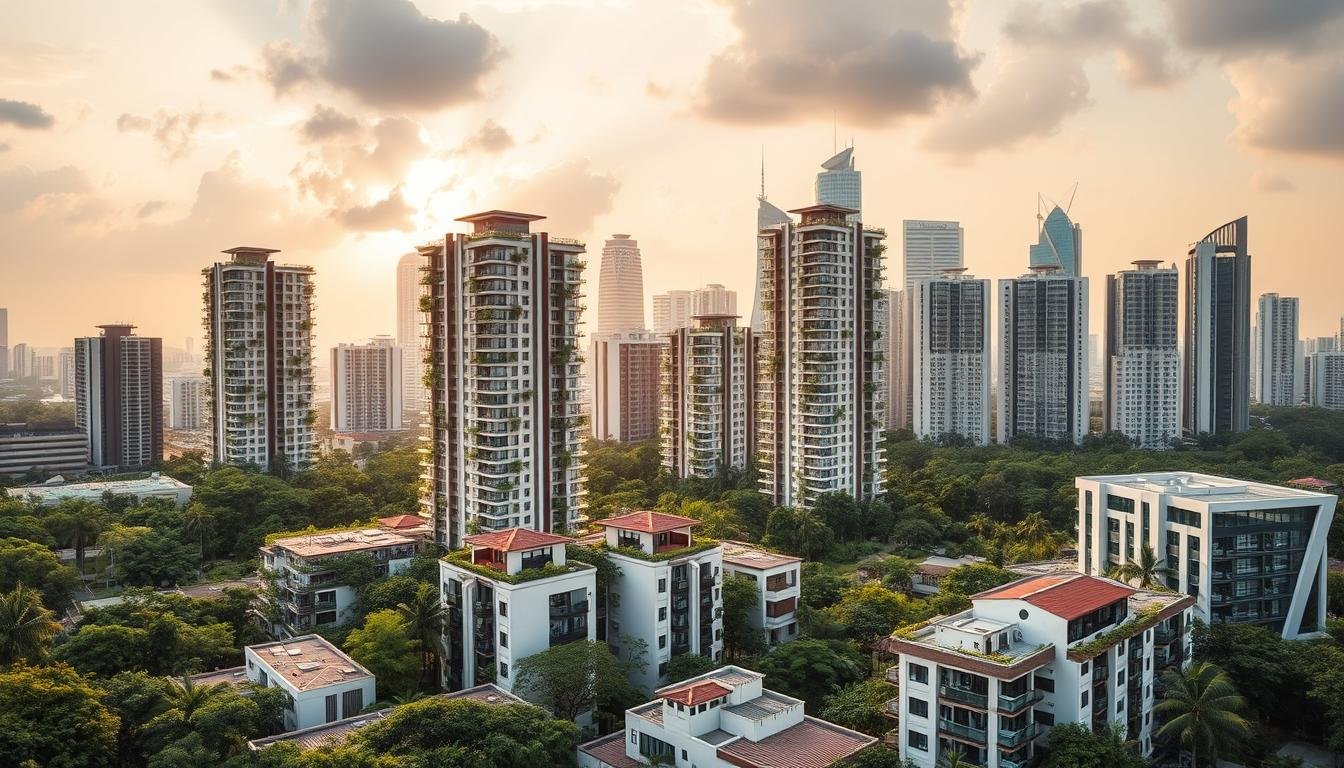
Singapore’s housing scene is changing to meet 2025 family needs. The government is introducing new policies and schemes. The Family Care Scheme (FCS) is one, focusing on family support and living together.
The FCS will give priority to parents and their children, whether married or single. This is a big change from before, when single children didn’t get the same priority as married couples.
The government is also working on making homes more affordable. In October, over 80% of first-time families bought new or resale HDB flats with little to no cash. The latest BTO sales saw a lot of interest, with over 26 single applicants for each of the 1,902 two-room flexi units.
Key Takeaways
- The Family Care Scheme (FCS) will offer priority access for parents and their children, married or single, to apply for new flats together or nearby.
- Affordability remains a key focus, with over 80% of first-time families able to purchase HDB flats using their CPF contributions.
- Demand for smaller housing units, such as two-room flexi flats, is high, with over 26 single applicants per unit in the latest BTO sales exercise.
- The government is implementing new flat classification systems and resale conditions to address the diverse housing needs of Singaporeans.
- Upcoming resale flats in city fringe areas like Dawson, Bidadari, and Kallang/Whampoa are expected to offer more appealing options for homebuyers.
Overview of Singapore’s Housing Landscape in 2025
Singapore’s housing needs are changing fast. By 2025, the city-state’s housing scene will see big changes. Smaller families and young couples wanting bigger homes are leading the way. The government is responding with new policies and projects.
About 150,000 new homes will be built in Singapore by 2030. This is thanks to the Paya Lebar Airbase relocation. It’s a great chance for those looking to buy property in Singapore or rent property in Singapore. The Bayshore area, part of the East Coast Renewal, might even protect against sea level rise.
The Housing and Development Board (HDB) is tackling the “lottery effect” too. They’re introducing Standard, Plus, and Prime flat categories. This system aims to make housing fairer for everyone in Singapore.
The city is growing, and so are its plans. The Jurong Lake District will have flexible, mixed-use developments. The government is also offering shorter-lease commercial sites. This is to meet the needs of the changing work world and the rise of Work From Home (WFH) arrangements.
The Influence of Economic Factors on Housing
Economic factors greatly affect housing choices in Singapore. Since the second quarter of 2020, resale prices for HDB flats have gone up. This is partly because of the pandemic’s impact on construction. To keep the market stable, the government has taken steps like lowering the Loan-to-Value (LTV) limit for HDB loans from 80% to 75%.
Job market trends also play a role in housing preferences. People now look for homes close to work and amenities. Over 80% of Singapore’s population lives in government-built flats. This is thanks to public housing policies that help reduce income inequality and support GDP growth.
In Singapore, more than 90% of people own at least one property. The construction sector’s growth rate was 0.6% higher than the real GDP growth rate. The public housing policy helps those with incomes under S$800, offering lower utility bills and taxes without reducing their motivation to work and save.
The private housing market in Singapore mainly serves the wealthy. By 2000, private property prices had risen by 40%. They have seen big ups and downs since then. The government has introduced cooling measures to make housing more affordable. Yet, the link between public and private housing prices could affect demand for private properties.
Preferences for Housing Types Among Families
The Singapore real estate market is changing, and families have different housing preferences. HDB flats are becoming more popular, especially among singles and young couples. The latest BTO sales exercise showed a big demand for two-room flexi flats, showing a trend towards smaller homes.
More people want eco-friendly homes and smart living spaces. The government is creating more housing types to meet these needs. They are building flexible flats and senior-friendly homes to fit different family sizes and needs.

Landed properties, condominiums, and private apartments are still in demand for their exclusivity. Affluent buyers love Good Class Bungalows and detached houses for their privacy and space. Co-living spaces are also popular among those on a budget.
It’s clear that families want a variety of housing options. Developers and policymakers are working to meet these changing needs. This ensures the housing market in Singapore keeps up with what residents want when buying property.
Technological Advances in Property Development
The Singapore property and real estate market is changing fast. New technologies are making a big impact on how properties are built and lived in. Smart homes, digital tools, and new building methods are leading the way. They bring better energy use, more convenience, and eco-friendly living.
Property developers in Singapore are jumping on these tech trends. For example, GuocoLand aims to launch over 20 digital projects in the next two years. They’re using drones with special cameras for building checks, cutting down time from weeks to days, as JTC reports.
AI and IoT are also changing the game in Singapore’s real estate. AI can spot problems automatically, making things up to four times more efficient. Companies like Airsquire and SpaceAge Labs are working together for remote construction and facilities management. PUB plans to add 300,000 smart water meters in new homes, showing how tech is being woven into our buildings.
These tech advances are making life better for people living in these properties. They also help make cities more sustainable. As the market keeps growing, we’ll see more smart and innovative solutions in Singapore’s property scene.
Community Needs and Local Amenities
Singapore’s housing is changing to meet 2025 family needs. The government aims to create communities that fit everyone’s needs. The Heart of Yew Tee is a great example, with homes for seniors and important amenities like polyclinics and hawker centers.
These communities are designed to be family-friendly. They encourage people to come together and build relationships. Access to schools, healthcare, and fun activities is a big part of the planning. This way, Singapore property investment and buying property in Singapore do more than just provide homes. They help people feel connected and happy.
Singapore plans ahead, looking 40 to 50 years into the future. They involve the community in this planning. The Master Plan breaks this vision into smaller, 10 to 15 year plans.
This careful planning helps figure out what’s needed. It balances things like keeping amenities and avoiding problems. It’s all about making sure Singapore grows in a smart and caring way.
Urban Planning and Sustainable Developments
The Singapore real estate market is changing fast. Now, urban planning and sustainable developments are more important than ever. The government is working hard to make Singapore a better place for families in 2025 and beyond.
One big part of Singapore’s urban planning is adding nature to the city. The Greater Southern Waterfront project is a great example. It connects city living with green spaces and waterfront walks, giving people easy access to nature. This helps reduce energy use and carbon emissions by promoting green buildings and more parks.
Technology is also key in Singapore’s urban planning. Tools like environmental modeling, smart water meters, and IoT systems help use land and resources better. They make living in Singapore more efficient and enjoyable. The Punggol Smart Town shows Singapore’s goal to create tech-enabled, green living spaces for its residents.
As the real estate market in Singapore keeps growing, urban planning and sustainability will stay important. This ensures families in Singapore have a great quality of life and a future-ready home.
The Changing Family Structure in Singapore
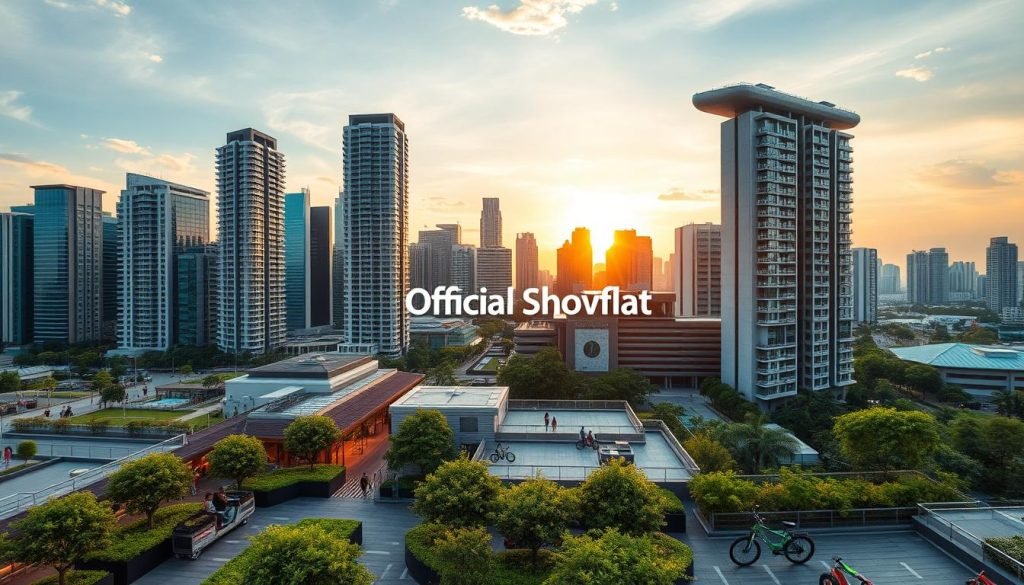
Singapore’s society is changing, and so is the idea of a family. What used to be a married couple with two kids and a pet is now different. Today, 11.2% of homes are for one person, up from 8.2% twenty years ago. Also, more couples are choosing not to have kids, a 4-percentage-point increase since 2000.
This change isn’t just about nuclear families. The government is focusing on families across generations. They’re designing homes that fit these new family needs, from big to small.
But, there are challenges too. Singapore’s population is aging fast, and caring for the elderly is getting harder. By 2030, only two working adults will support each elderly person, down from 13.5 in 1970. Yet, family values are still strong, with most Singaporeans ready to help their family financially and respect their parents.
The property market in Singapore is adapting to these changes. Knowing about these shifts helps investors and buyers make smart choices. The future of homes in Singapore will reflect the diverse needs of its families.
Financing Housing in 2025
Singapore’s housing market is changing, and so are the ways to finance homes. The Enhanced CPF Housing Grant now gives up to $120,000 to families and $60,000 to singles. This helps first-time buyers afford homes. The government has also put in place cooling measures to keep the market stable.
New tech is changing how we finance homes. For example, the Central Business District (CBD) Incentive Scheme turns old office buildings into homes. This could bring more housing to prime areas. These new ways of financing are changing how Singaporeans handle property taxes and loans.
The economy is always changing, and so are the ways to finance homes. Homebuyers and investors need to keep up with these changes. Knowing about new HDB schemes and grants helps make smart choices for the future.
Resilience and Adaptability in Housing
The Singapore property market is changing fast. We need homes that can adapt to new lifestyles and health issues. The COVID-19 pandemic showed us how important flexible living spaces are.
The Housing and Development Board (HDB) is leading the way in designing homes for different needs. They plan to make homes in Singapore more versatile. This means more space for family and work-from-home areas. It’s all about meeting the needs of today’s families.
There’s a big push to reuse old buildings, like the Paya Lebar Air Base. This shows Singapore’s commitment to creating flexible, mixed-use developments. These projects use land wisely and build community spirit.
The real estate market in Singapore is always changing. Focusing on homes that can adapt will be key. By using smart designs and technology, we can make sure homes in Singapore fit the needs of today’s families.
Future Predictions for the Singapore Property Market
The Singapore property market is set for big changes by 2025. The government aims to launch 100,000 Build-To-Order (BTO) flats from 2021 to 2025. Over 80,000 units will be ready by the end of this year. This move is expected to make property prices more stable and reduce waiting times for new homes.
The government is focused on keeping HDB flats affordable for all Singaporeans. This includes lower-income families and singles. Real incomes in Singapore dropped 2.3% in 2023, showing the need for affordable housing.
Private property prices in Singapore might rise by 2-3% for resale HDB units. However, the market is expected to show different trends. Suburban condos are now priced at $2,000 psf, while executive condos (ECs) are 25% cheaper than private homes.
The rental market for non-landed properties in Singapore has slowed down. There was a 0.2% increase in the third quarter of 2023. Rents are expected to drop in 2024 due to a smaller supply-demand gap. Yet, they will still be higher than before the pandemic.
The Singapore property market will see a mix of trends. Increased supply will stabilize prices in some areas, while high-end properties will continue to appreciate. The government’s efforts to keep housing affordable and economic factors will shape the market’s future.
Conclusion: Adapting to Change in Housing Needs
Singapore’s housing scene is changing fast to meet family needs in 2025. Trends like smaller homes, multi-generational living, and green homes are leading the way. The government is working hard to keep homes affordable and within reach, with new programs and more grants.
Those in the property market must keep up with these shifts. They need to focus on homes that can change, green building, and new ways to pay for homes. This will help them meet the changing needs of Singapore’s people and keep the country a great place to live and invest.
The property market in Singapore will keep growing, but it needs a balanced approach. It must consider the economy, tech, community needs, and long-term green goals. By embracing these changes and putting families first, the property sector can help build vibrant, inclusive communities in Singapore.