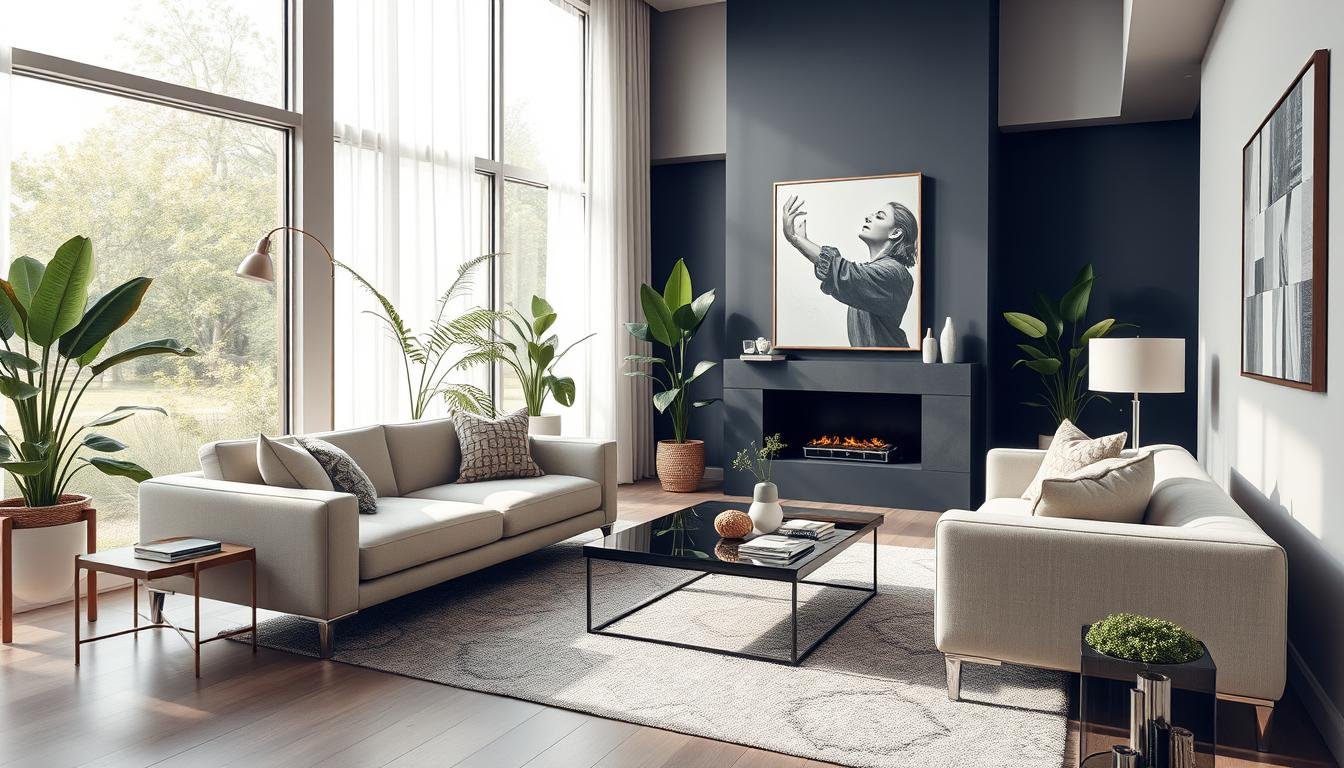
In Singapore, a big change is happening in how expats find homes. Co-living spaces are becoming more popular. The Assembly Place (TAP), a local leader in co-living, now has 132 properties across the island. They’ve also opened a new place at 161 Lavender Street.
This growth shows more expats want flexible, community-focused living. It’s a big change from traditional housing.
Rent at TAP’s new place starts at $1,850 and goes up to $2,500 a month. This is cheaper than the usual $3,000 for a one-bedroom in the city center. Co-living offers a mix of community and personal space, perfect for young people looking for new housing options.
TAP plans to have 3,800 rooms by early 2025. This shows how fast the co-living market is growing. With 75% of their members under 34, TAP knows what young expats want.
Key Takeaways:
- The co-living market in Singapore is expanding rapidly, with TAP having 132 properties across the island nation.
- Rental rates for co-living spaces in Singapore are more affordable compared to traditional one-bedroom apartments in the city center.
- Co-living spaces offer a blend of community living and personal comfort, catering to the evolving needs of younger expats in Singapore.
- TAP aims to reach 3,800 rooms by the first quarter of 2025, reflecting the industry’s ambitious growth plans.
- Younger expats, aged 34 or under, make up 75% of TAP’s members, highlighting the company’s focus on catering to this demographic.
Understanding Co-Living Spaces
Co-living spaces in Singapore are becoming more popular. They offer a unique way to live, blending private rooms with shared facilities. You can find kitchens, living rooms, and even cleaning services and Wi-Fi. It’s like living in a dorm but with better amenities, perfect for young professionals and expats.
These spaces aim to mix privacy with community. They are great for those who want to connect with others. In Singapore, co-living spaces usually need to be at least 35 square meters. You also need to stay for at least 3 months.
Co-living can be cheaper than other housing options. But, it’s not always the cheapest, especially with all the extra services. Still, the community vibe and flexible leases make it appealing. It’s a good choice for those looking for a lively and welcoming place to live.
The Growth of the Co-Living Market in Singapore
The co-living market in Singapore has grown a lot lately. Companies like TAP have quickly expanded, adding 2,000 beds across 135 locations in five years. This growth is due to the need for affordable housing, flexibility, and community.
More and more co-living operators are coming to Singapore. By the end of 2023, the sector is expected to add nearly 3,000 keys. This is on top of the current 9,000 rooms managed by 20 providers. About 80% of investors surveyed by JLL are interested in co-living real estate here.
The co-living market in Singapore now meets different needs, from student to senior housing. Investors see it as a stable income source and a way to diversify their portfolios. Co-living spaces often have occupancy rates over 95%, showing strong demand.
Investors are now looking to turn commercial buildings, shophouses, and hotels into co-living spaces. This shows how flexible and adaptable co-living is. With changes in demographics, consumer preferences, and the economy, the co-living market in Singapore is set to grow even more.
Advantages of Co-Living for Expats
Co-living is a great and affordable choice for expats in Singapore. The high cost of homes makes co-living a smart option. For example, a tech entrepreneur saved money by renting a co-living space for $5,500 a month. This is much less than the $8,000 for a regular apartment.
Co-living is also very flexible. Leases can last just three months. This lets people move easily as their lives change. Plus, co-living memberships include everything you need, making it easy for new arrivals in Singapore.
Co-living also helps people feel part of a community. Places like lounges and kitchens are perfect for meeting others. This helps expats make friends and feel at home in Singapore.
Living in Singapore can be expensive, but co-living helps with that. It offers affordable, flexible, and community-focused living. This makes co-living a popular choice for those wanting to enjoy Singapore’s lively property market.
The Role of Technology in Co-Living
Technology is leading the co-living revolution in Singapore. Smart homes come with digital locks, app-controlled lights, and energy systems. These features are now common in co-living spaces.
Online tools make it easy for residents and operators to communicate. They handle everything from fixing things to planning events.
These tech upgrades make living better and more efficient. They appeal to expats and young professionals. They want a lifestyle that’s connected and easy to manage.

Smart tech in co-living spaces meets the need for green and efficient living. The Singapore Property Investment Singapore market is growing. Co-living operators use tech to offer a personalized and easy living experience. They meet the needs of today’s city dwellers.
Popular Co-Living Locations in Singapore
Singapore’s co-living scene offers many choices for those interested in Landed Properties Singapore and Condominiums Singapore. The Central Business District (CBD) is especially popular. It attracts young professionals who want to be close to work and city amenities.
Figment, a top co-living provider, has welcomed over 4,000 working professionals in its CBD spaces for 34 years.
Suburban areas are also becoming more popular. For example, Woodleigh Park’s four colonial-era bungalows have been turned into luxury co-living spaces. They offer more room for residents. Hmlet, another well-known co-living provider, has over 1,500 properties in areas loved by expats and young Singaporeans.
Cove offers modern co-living in the city core, city fringe, and eastern suburbs. Commontown welcomes pets in its shared apartments. Singapore’s co-living market meets many needs and budgets. Sites like Coliving.com and Anyplace.com make finding these options easier for Singapore’s Landed Properties Singapore and Condominiums Singapore fans.
How Co-Living Spaces Enhance Lifestyle
Co-living spaces in Singapore are gaining popularity. They offer many amenities and services that improve residents’ lives. These places have fully-equipped kitchens, comfy lounges, and sometimes fitness centers or co-working areas.
Co-living spaces also provide services like regular cleaning and laundry. They offer high-speed internet. The social aspect is a big plus, with events and workshops that bring people together. For example, TAP’s Woodleigh Park plans to have private chef gatherings, helping residents feel part of a community.
More singles are choosing to rent their first homes in Singapore. Professor Sing Tien Foo from the National University of Singapore Business School notes that co-living is still new here. Yet, it’s becoming more affordable than traditional rentals.
Co-living spaces are perfect for remote workers and digital nomads. They offer flexible rentals, fully-furnished homes, and a supportive community. As co-living grows, it will shape the future of housing in Singapore.
Legal Considerations for Expats
If you’re an expat thinking about co-living spaces in Singapore, knowing the legal side is key. Lease agreements for co-living are different from regular rental contracts. They offer more flexibility but have rules about shared areas and community rules.
The rules for co-living in Singapore are changing, with close watch by authorities. As an expat, it’s important to know your rights and duties as a co-living tenant. This includes any rules on subletting or changing your living space.
It usually takes about a month to process applications after all documents are in. To get approval, you must be a permanent resident of Singapore for at least five years. You also need to show you’ve made a big economic contribution.
Foreigners need approval to buy certain properties, like empty land or worker’s dorms. But, they can buy most condos, some strata houses, and landed houses on Sentosa without needing approval.
Permanent residents in Singapore can buy HDB flats and executive condos more easily. They can also buy a landed house after showing they’ve made a big economic contribution. Foreigners in Singapore face an Additional Buyer’s Stamp Duty (ABSD), which can raise the cost of buying a property.
By knowing the legal aspects, expats can make better choices in the Singapore housing market and co-living options. It’s wise to talk to experienced Property Agents Singapore and legal experts. This ensures a smooth and legal process.
Comparing Co-Living to Traditional Rentals
In Singapore, the real estate scene is changing fast. Co-living spaces are becoming a popular choice instead of traditional rentals. A one-bedroom apartment in the city center can cost about S$3,000 a month. But, co-living options start at S$800 to S$2,550 a month. Co-living offers a unique lifestyle that focuses on community and shared experiences.
Co-living spaces are fully furnished, saving tenants money and hassle. The shared living setup also helps split costs, making it easier on the wallet. This is especially true for those looking for affordable places in prime areas.
However, traditional rentals offer more privacy and control over your space. This might be better for those who value independence. Co-living, though, combines private and shared areas, creating a community vibe. Your choice depends on what you prefer, your budget, and how much social interaction you want.

Both co-living and traditional rentals have their own benefits in Singapore. They cater to different needs and preferences. The rise of co-living shows that many renters now want something more affordable, community-focused, and flexible.
The Future of Co-Living in Singapore
The co-living market in Singapore is set to grow, thanks to new work patterns and housing needs. Experts say we’ll see more flexible, community-focused living spaces. This will shape the future of co-living here.
Technology will become more important, helping make renting easier and improving living experiences. We’ll also see more co-living options for various groups, like young professionals, families, and retirees.
But, the co-living industry in Singapore might face challenges like too many options and keeping costs down. Changes in rules and global economic trends will also affect the market. These factors will influence the growth of co-living.
Despite challenges, co-living in Singapore is expected to keep growing. It will meet the needs of a diverse population looking for flexible, community-based living. As the market evolves, leaders must handle its complexities. This will keep co-living appealing to both residents and investors.
Tips for Choosing a Co-Living Space
The co-living trend is growing in Singapore, offering expats many options. When picking a co-living space, consider location, amenities, and community. It’s also important to look at lease terms.
Being close to work or public transport is key. The quality of shared areas like kitchens and living rooms matters too.
It’s smart to check the operator’s reputation and who else lives there. Ask about utility costs, house rules, and security. Also, find out how to handle any issues that might come up.
Remember, co-living spaces often have minimum stay rules, from 3 to 6 months. So, book early to get the best spots.
For expats not from Singapore, getting the right permits is a must. Singaporeans, however, can live in co-living spaces easily. Rents usually include a security deposit, and some places might ask for proof of income.
By looking at these points, expats can find a co-living space that fits their needs. It’s a great way to live in Singapore, especially for 2025 expats looking for a good deal.
Testimonials from Expats in Co-Living Spaces
Singapore’s real estate market is booming, with co-living spaces becoming very popular. Expats living in these areas are sharing their good experiences. HeiHomes, a top co-living provider, has many residents who come back, showing they really like it.
People living in HeiHomes say it’s affordable yet luxurious. They love how easy it is to move in and how well things are handled. The community at HeiHomes is welcoming, making it easy to make friends and network.
Co-living in Singapore is getting more popular, attracting many types of people. Expats love it for its convenience, sense of community, and cost. It makes moving to Singapore’s property market easy and smooth.
Conclusion: The New Trend in Housing for Expats in Singapore
Co-living has become a big deal in Singapore’s housing market, especially for expats. This new idea is growing and is now seen as a normal choice, along with renting and buying. It’s even thought to change how cities are planned and built in the future.
Even though there are some problems, co-living is seen as a big part of Singapore’s housing future. Companies like TAP are doing well, showing that shared living is here to stay. Expats and investors should keep up with co-living trends and think about it for their homes.
The Singapore property market is always changing, with prices and sales expected to go up. Knowing about co-living and its role in housing is key for making smart choices. By keeping up with the latest news and chances, expats and investors can do well in the real estate market.