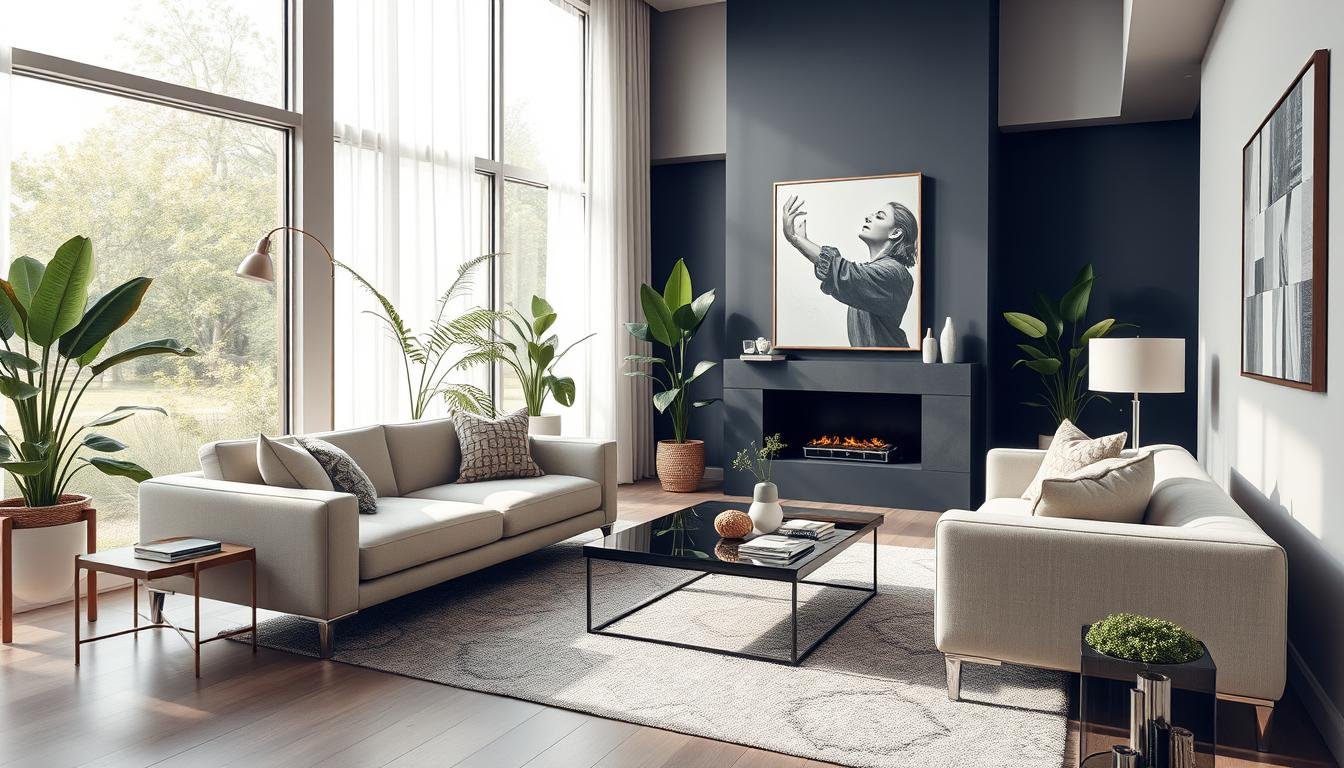
Singapore’s property market is changing fast, with co-working spaces leading the way. These shared workspaces are changing how we work. They offer affordable and flexible options that boost teamwork and creativity.
The co-working space market in Singapore is set to grow a lot. It’s expected to reach USD 407.8 million by 2030, with a 24.3% annual growth rate. This shows more businesses and professionals want something different from traditional offices.
In recent years, the space for co-working in Singapore has grown a lot. It went from 1.2 million square feet in 2015 to 3.7 million square feet in 2022. This growth shows the need for flexible, affordable, and collaborative workspaces in Singapore’s Property, Real Estate Singapore, and Property Investment Singapore world.
Key Takeaways
- Singapore’s co-working space market is projected to reach USD 407.8 million by 2030, growing at a CAGR of 24.3%.
- The co-working space footprint in Singapore has tripled from 1.2 million square feet in 2015 to 3.7 million square feet in 2022.
- Co-working spaces offer cost-effective and flexible solutions that foster collaboration and innovation.
- The rise of co-working spaces reflects the evolving needs of businesses and professionals in Singapore’s property market.
- Co-working spaces are transforming the way businesses approach their office needs, providing a viable alternative to traditional office models.
Understanding Singapore’s Property Landscape
Singapore’s economy is booming, making it a hub for office space, especially in the CBD. Finance, tech, and healthcare are big players here. They all need good co-working spots. Even though traditional office rents are up, the co-working scene is growing fast.
Landed homes are rare in Singapore, making up just 17.9% of private homes. Freehold landed homes are 41.5% pricier than leasehold ones. This big price gap is seen across different types of landed homes.
Foreigners can only buy non-landed homes in Singapore, except in Sentosa Cove. This makes landed homes a rare find for locals. Good Class Bungalows are the top of the housing ladder, with strict rules for ownership.
Landed homes in Singapore offer unique features and room for big families. Prices for freehold and leasehold homes have gone up a lot. This is true for all areas of Singapore from Q1 2015 to Q1 2024.
To sum up, Singapore’s property scene is buzzing with co-working spaces and a limited supply of landed homes. There’s a big demand for homes that fit multi-generational families. Knowing these trends is key for anyone looking into Singapore’s condo, housing, or property markets.
The Rise of Co-Working Spaces in Singapore
Singapore’s property market has seen a big increase in co-working spaces. This change shows how work is viewed differently now. Urbanization, remote work due to COVID-19, and the gig economy are key reasons.
Big names like WeWork, IWG (Regus), and JustCo lead the co-working scene in Singapore. Many smaller operators also offer unique services. These spaces save money by sharing things like printers and meeting rooms. They also help people work together and share ideas.

JustCo has played a big part in making co-working popular in Singapore. They offer solutions that fit the local market well. By 2030, shared workspaces in Southeast Asia will grow from 10% to 15% of all offices.
The number of co-working spaces in Singapore has tripled since 2015. Now, there are 3.7 million square feet of space. Most are in city centers, showing people want easy access to work. But, some smaller spaces struggle and have gone bankrupt.
The growth of co-working spaces will shape Singapore’s commercial real estate. As the market and investment in property change, co-working will play a big role.
Impact of Remote Work on Co-Working Spaces
Remote work has changed Singapore’s Real Estate and property scene a lot. In the last five years, remote work has grown by 44% worldwide. Co-working spaces now offer a mix of office features and flexible hours to meet the changing needs of the market.
Co-working spaces are key for those without good home offices. They’re now offering virtual memberships and better online services. They’re also focusing on health and safety, like better cleaning and air purification systems.
The shift to remote work is clear in Singapore’s property market. Real Estate Investment Trusts have seen their payouts drop and rental yields fall. The demand for top office space in the city center has dropped by almost 20% since before COVID.
But, there’s a rise in demand for suburban homes and industrial spaces. Workers want more room and flexibility. Properties outside the city center have seen a 43.91% jump in new sales and a 34.19% increase in resale, outpacing other areas.
Location: A Key Factor in Co-Working Success
Location is key for co-working spaces in Singapore. Most, about 86%, are in central areas like Raffles Place and New Downtown. These spots make up 52% of the market. Other hot spots include Shenton Way or Tanjong Pagar (12%) and City Hall and Orchard Road.
Accessibility and connectivity draw people to these hubs. Being close to public transport, amenities, and the CBD is a big plus. Also, 59% of workers value human interaction and networking in their co-working space.
Co-working spaces offer flexibility, like 24/7 access. This is great for hybrid work setups. It lets employees find a quiet space away from home and move between locations without extra costs.
The co-working industry in Singapore is growing fast. This growth is thanks to real estate prices and a strong startup scene. New players need to look at pricing, member types, and community efforts. This helps them find their place in the market.
The Role of Technology in Co-Working Spaces
Technology is key in today’s co-working world in Singapore. It brings in smart office solutions, virtual tools, and better member experiences. Augmented Reality (AR) and Virtual Reality (VR) are set to change how we work together from afar.
For example, Sightful’s Spacetop AR laptop got USD 61 million in funding. This shows how advanced tech can improve workspaces in Singapore.
Co-working spaces are now in high demand. They serve freelancers, startups, and big companies with flexible work options. You can find everything from hot desks to private offices, fitting all budgets and needs.
These spaces are getting smarter with tech like adjustable desks and energy-saving sensors. They also have video conferencing tools and ergonomic furniture. This shows how important innovation is in the future of co-working in Singapore.
Sustainability in Co-Working Designs
The demand for green co-working spaces in Singapore is increasing. More companies want to work in places that care about the environment. Even though we don’t have exact numbers, it’s clear that sustainable designs are becoming more popular.
CapitaSpring is a great example in Singapore. It’s a 51-storey building in the city center. It has top certifications for being green and accessible. It even has a Green Oasis, a botanical promenade, to connect people with nature.
The building has many eco-friendly features. It uses facial recognition and smart cleaning robots to keep it clean and safe. It also has an urban farm and a restaurant on Level 51. This shows its commitment to sustainable food production.

Singapore is becoming a key place for property and investment. Sustainable co-working spaces are expected to become even more popular. Companies that focus on being green will likely attract more clients and stand out in the market.
The Future of Co-Working Spaces in Singapore
The future of co-working spaces in Singapore is bright. The market is expected to hit USD 407.8 million by 2030. It will grow at a rate of 24.3% each year from 2024 to 2030. This growth is thanks to the use of Augmented Reality (AR) and Virtual Reality (VR) in these spaces.
The Singapore Condo market is changing fast. It’s now offering more specialized co-working areas. These include spaces for music production and tech startups. Traditional offices might struggle as more businesses choose flexible co-working options.
The rise of co-working spaces in Singapore is due to the country’s strong economy and business-friendly policies. The market is split into different business models and user groups. As it grows, we’ll see more focus on regulations and sustainable designs in co-working spaces.
Regulatory Considerations for Co-Working Spaces
The Singapore housing market is changing, and co-working spaces are becoming more important. These spaces need to follow certain rules. It’s key for operators to know about compliance and zoning laws.
The Singapore government wants to help start-ups grow. This means co-working spaces have to deal with strict rules, especially about health and safety. A new way of running co-working spaces is emerging. It’s like hotels, allowing fast growth without worrying about property issues.
In Singapore, warehouses are divided into types like B1 and B2 industrial buildings. These spaces are often too big for small businesses. Co-warehouses are a better option for them. They offer space for work and storing goods, along with shared equipment and services.
Conclusion: Co-Working Spaces as a Pillar in Singapore’s Property Market
Co-working spaces have become a key part of Singapore’s property market. The industry is set to grow fast, with a 24.3% CAGR from 2024 to 2030. It’s expected to hit USD 407.8 million by 2030. This growth is thanks to Singapore’s strong economy, friendly business policies, and the need for flexible work options.
By 2025, Singapore’s co-working scene will likely grow more, with new services and tech. The change in work culture and real estate choices is driving this. As Singapore Property Taxes and Singapore Property Valuation needs increase, co-working will be crucial in shaping the property market’s future.
The demand for flexible workspaces is rising, especially among big companies and tech firms. This shows co-working’s growing importance as a real estate choice. The trend is also driven by longer contracts and the need for green, tech-savvy co-working spaces. As the industry grows, rules and market trends will keep shaping its future in Singapore’s lively property scene.