Singapore’s property market is shaped by its cultural diversity. The city’s multicultural landscape is seen in its architecture and home decor. Shophouses, over 200 years old, show the city’s growth as a trading port.
These shophouses, two to three stories tall, are key in urban planning. They line major roads, making streets lively. This diversity influences home decor, with furniture showing the heritage of different ethnic groups.
Renovation focus has made shophouses more valuable. Now, they are boutique hotels, cafes, and galleries. This shows shophouse architecture’s versatility and the value of preserving heritage.
Home owners and businesses are adding traditional design to their spaces. This creates a unique, culturally rich environment. Interior design and furniture help Singaporeans connect with their cultural identity and the city’s history.
Key Takeaways
- Singapore’s cultural diversity has a significant impact on its property market
- Shophouses are an integral part of the city’s architectural landscape and cultural heritage
- Home decor and interior design in Singapore are heavily influenced by the city’s cultural diversity
- Conservation shophouses have increased in market value due to their cultural significance
- Traditional design elements are being incorporated into modern interior design and home decor
- Interior design and furniture play a critical role in preserving cultural heritage and creating a unique living space
- Singapore’s cultural diversity is reflected in its architecture, interior design, and home decor, making it a unique and culturally rich city
Understanding Singapore’s Multicultural Property Landscape
Singapore’s history of immigration has shaped its multicultural society. The population is about 74% Chinese, 13% Malay, 9% Indian, and 4% from other ethnic groups. This diversity is seen in its architecture and interior design, making it a unique place for home renovation and decoration.
The city-state’s cultural diversity is also seen in its festivals and traditions. Events like Theemithi, Hari Raya Puasa, and Lunar New Year show off Singapore’s rich cultural heritage. Traditional dishes, clothing, and decorations inspire home renovation ideas and choices of home accessories.

Singapore’s neighborhoods, like Chinatown, Katong-Joo Chiat, and Kampong Gelam, show the city-state’s multicultural landscape. This diversity can be added to home renovation projects. Using traditional elements and home accessories creates a unique and culturally inspired living space.
Homeowners can focus on home renovation and decoration to reflect Singapore’s multicultural heritage. By choosing home accessories and design elements that show the city-state’s cultural diversity, homeowners can create a unique and inspiring living space. This space showcases the beauty of Singapore’s multicultural landscape.
Modern Home Decor Trends in Singapore’s Diverse Market
Singapore’s diverse culture is seen in its home decor. Many homeowners mix different cultures into their designs. Home styling is big in Singapore, with 70% of homeowners looking online for the latest trends.
The city offers many decor styles, from simple to nature-inspired designs. These styles are chosen for their impact on well-being and lifestyle.
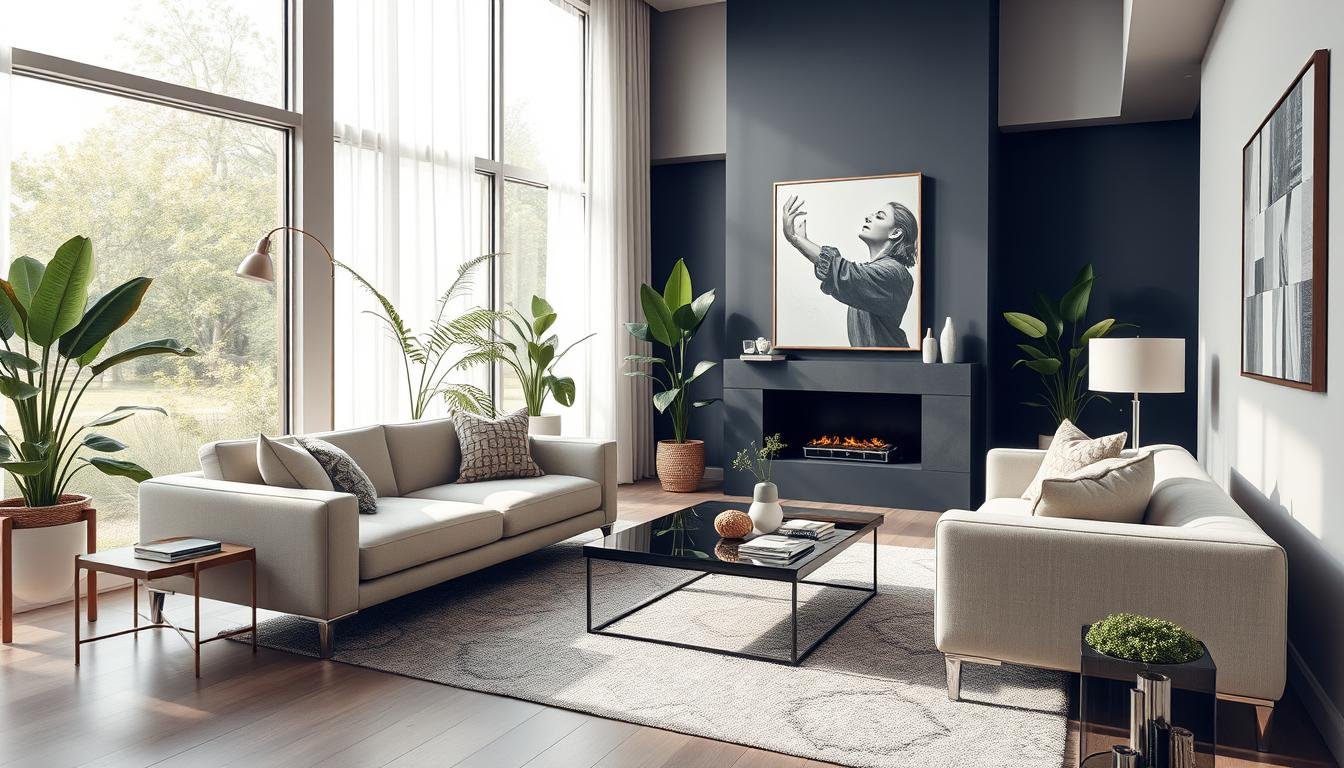
About 60% of homeowners in Singapore prefer minimalist designs. They want spaces that are calm and free from clutter. The use of natural materials has grown by 40%, showing a love for cozy homes.
Earth-toned colors like browns and greens are popular, chosen by 55% of homeowners. They help create peaceful spaces. 
Homeowners are adding cultural touches to their decor, making their homes unique. There’s a big interest in sustainable and local materials, up 45% in surveys. This shows a move towards eco-friendly homes.
Blending Traditional Elements with Contemporary Design
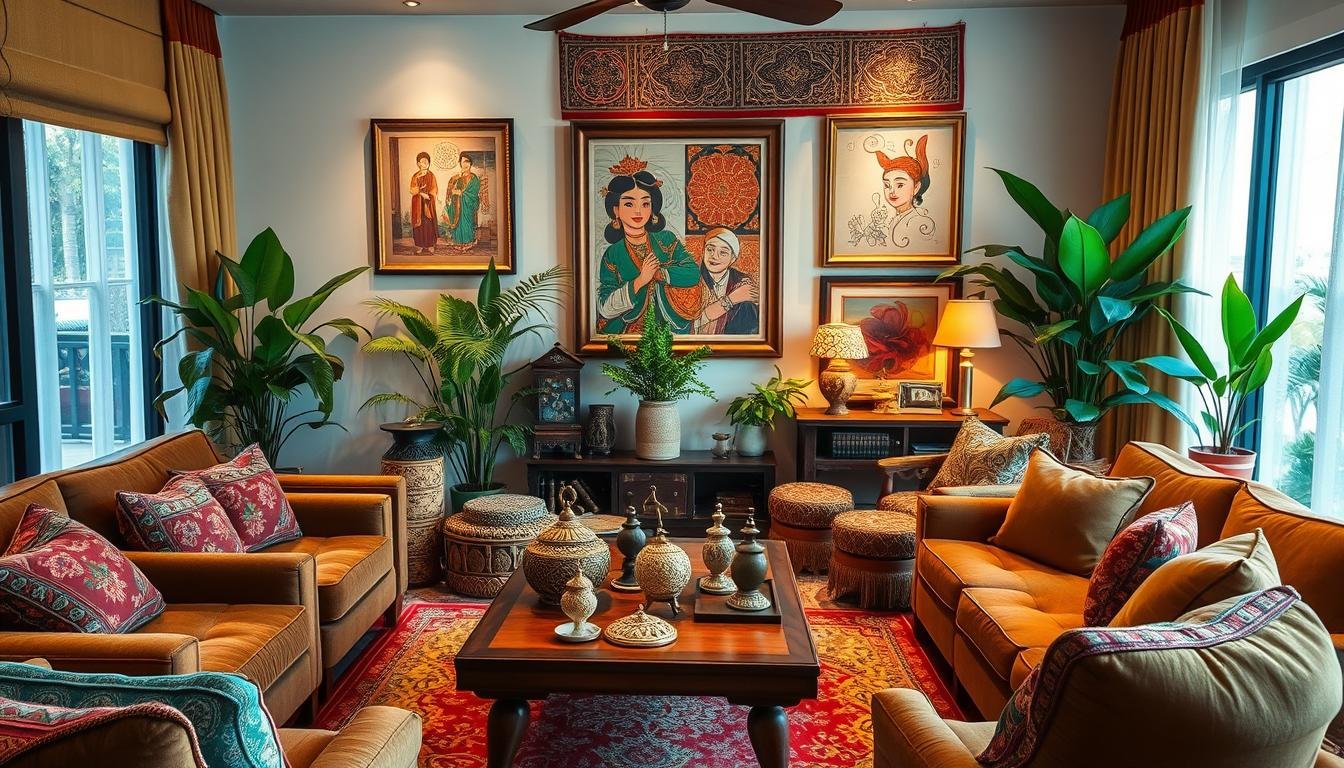
Mixing traditional and modern styles in home decor is a smart move. It brings depth and interest to any room. This mix lets homeowners show off their heritage and personal style.
When doing DIY decor, it’s key to balance old and new. Start with a neutral base like beige or gray. Then, mix materials like a wooden table with a metal chandelier. This adds texture and interest. Also, make sure the sizes of furniture match, as old pieces are often bigger.
To blend styles well, use a single color scheme or contrasting colors. Modern accessories in bold colors can brighten up traditional rooms. Adding handcrafted items like rugs or pottery brings cultural value to a modern space. Mixing sleek furniture with vintage pieces creates a unique, eclectic look.
About 70% of a room should be one style, with the other making up 30%. This balance creates a harmonious mix of old and new. With creativity, homeowners can make their space truly reflect their heritage and taste.
Home Decor Essentials for Different Cultural Styles
Home decor varies greatly across cultures. In Singapore, you’ll see a mix of old and new in homes. Knowing these differences helps in choosing affordable decor and furniture.
Many cultural styles offer affordable decor options. For example, Asian minimalism and Indian patterns are popular. Wooden furniture adds warmth and coziness to any room. These elements help create a space that shows your personal taste.
Japanese minimalism is known for its simplicity and beauty. It uses natural materials like wood and bamboo. Indian decor, on the other hand, brings color and energy. Affordable items like throw pillows and rugs can add cultural touches to any room.
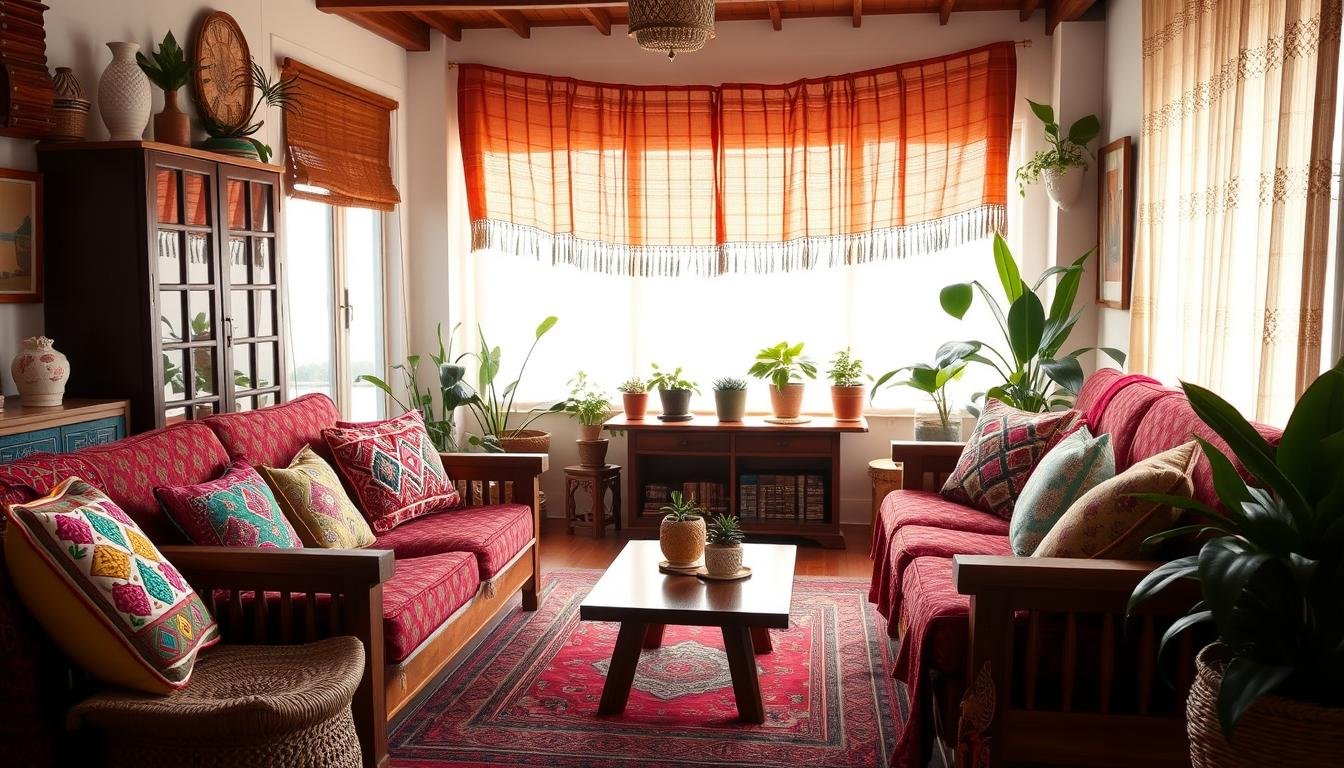
To make a space beautiful and culturally rich, know the basics of different styles. Affordable decor and furniture help create a unique and welcoming area. With creativity, anyone can make a space that’s both lovely and meaningful.
Feng Shui Principles in Modern Singapore Homes
In Singapore, many homeowners use Feng Shui to make their homes balanced and peaceful. About 70% of them think about Feng Shui when buying a home. This ancient Chinese idea helps improve the flow of Qi, which is key for health, happiness, and wealth.
By using Feng Shui in home design, people can make their homes better. This means a more balanced place to live.
In modern homes in Singapore, Feng Shui is used in many ways. For example, mirrors and colors are placed carefully to improve energy flow. About 75% of people think that choosing colors wisely, as Feng Shui suggests, makes a home more appealing.
Also, using the five elements of Feng Shui—wood, fire, earth, metal, and water—can affect energy balance.
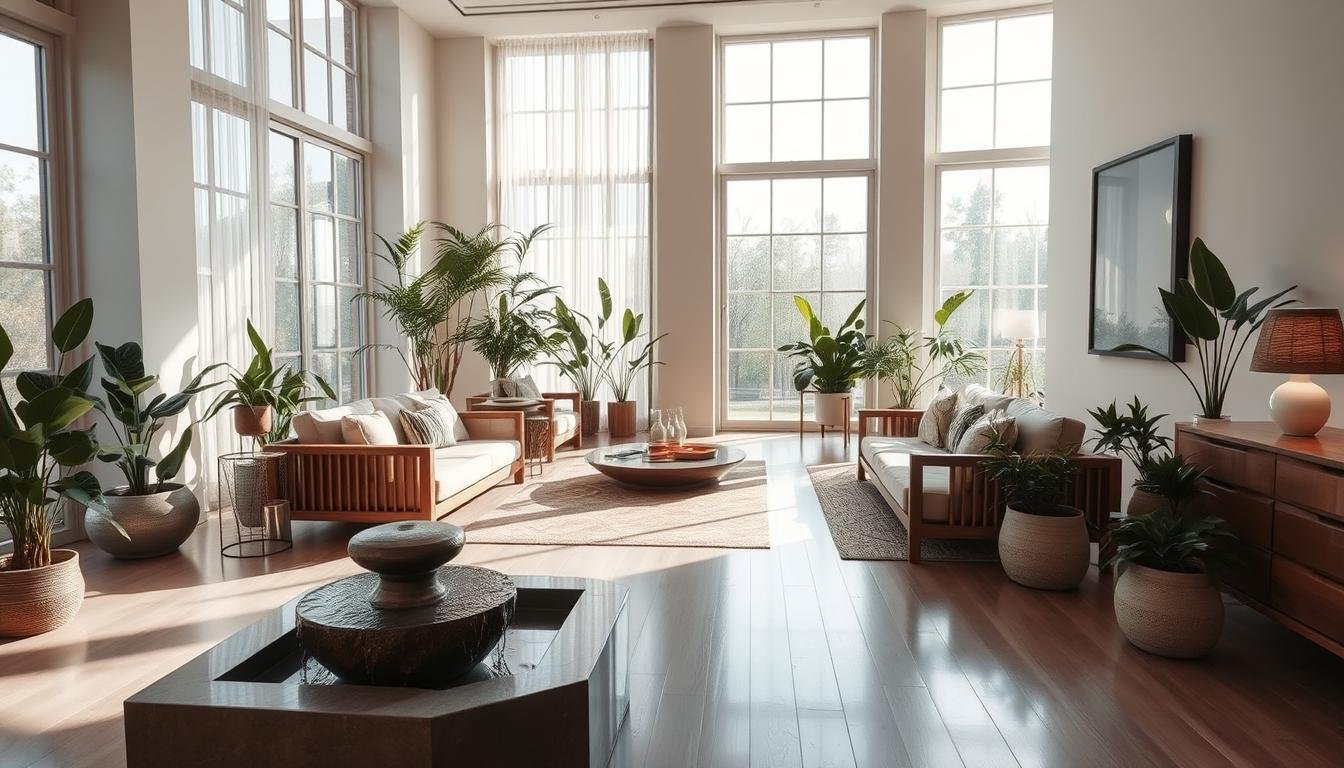
Understanding and using Feng Shui can make a home reflect a person’s culture and improve their well-being. With Feng Shui-themed decor becoming more popular in Singapore, it’s important to think about these principles when designing or renovating a home. This way, homeowners can enjoy a peaceful and balanced living space, improving their life quality.
Cultural-Specific Room Arrangements and Space Planning
Understanding cultural differences in room arrangements is key for a culturally sensitive home. In Singapore, homes often mix traditional and modern styles. For example, a 3×3 meter bedroom can fit a double bed and leave space on the sides.
Furniture placement is also important. It’s best to keep furniture 2.15 to 3 meters apart for easy conversation. In living rooms, a 90 cm passageway is needed. TVs should be far enough away to be seen clearly but not too close.
About 74% of Singaporeans like modern designs, while 29% prefer traditional. Young homeowners often choose minimalist styles, valuing simplicity and space. By focusing on cultural-specific designs, homes can show off a family’s identity.
Creating a balanced home is all about mixing cultural sensitivity with modern needs. Designers and homeowners can work together to make a space that looks good and works well. This can include using traditional textiles or flexible spaces, making every home unique.
Sustainable and Eco-Friendly Home Decor Choices
Many homeowners in Singapore are choosing sustainable and eco-friendly decor. This choice is driven by a desire to reduce our carbon footprint and live healthier. DIY projects can add eco-friendly touches, like using reclaimed wood or repurposed materials.
Studies show that eco-friendly decor can lower harmful chemical exposure by 62% in homes. Using recycled or renewable materials can also cut down manufacturing processes by up to 30%. This is why organic textiles like cotton, wool, and linen are gaining popularity, increasing by about 40% in the last five years.
To make your home decor more sustainable, you can try several things. For example, use natural light, choose low-VOC paints, and pick sustainable kitchenware. These choices help reduce environmental impact and make your home healthier. With more people looking for sustainable options, 69% of shoppers are seeking eco-friendly decor in 2023.
Budget-Friendly Ways to Incorporate Cultural Elements
Creating a culturally sensitive space on a budget is all about being creative. Homeowners can add cultural touches to their furniture and decor without spending a lot. Traditional Indian designs, like carved wooden pieces, are affordable and popular.
Storage solutions, like antique sideboards, are key in Indian homes. They blend practicality with traditional style. Adding folk art figurines or lantern-shaped lights can make any area stand out.
Handcrafted tableware and colourful rugs bring India’s rich handicraft tradition to your home. Small changes, like new soft furnishings or plants, can also make a big difference. These updates can improve air quality and look great.
Using natural elements and standout pieces can make your home more appealing. This can even increase rental interest and property value. By shopping smart and doing DIY projects, homeowners can save up to 25%.
With over 5000 online shops to choose from, finding affordable decor that reflects your culture is easy. This makes it simple to add cultural touches to your home without spending a lot.
Working with Interior Designers Who Understand Cultural Nuances
Creating a culturally sensitive space is key. In Singapore, 78% of homeowners value cultural diversity in their homes. This has led to a 45% rise in projects that blend different design styles.
Interior designers who get cultural nuances can make a space that shows a homeowner’s cultural roots. Over 60% of designers in Singapore say clients want designs that reflect their culture. They work with artisans from various cultures, with 70% of firms collaborating with at least three.
Storeyboard Design is a top name in luxury designs that mix different cultures. They use a global palette, drawing from 15 cultures. This has boosted their referrals by 40% for culturally sensitive designs. They add cultural artifacts and motifs to their designs, making the luxury experience richer.
Finding an interior designer who values cultural nuances is vital. Look for designers who have worked with diverse cultures. They can create a space that shows your cultural identity and values. This way, your home reflects your heritage and boosts your satisfaction and connection to it.
Creating Your Own Unique Singapore-Inspired Living Space
Start designing your dream home by taking inspiration from Singapore’s rich culture. Mix traditional elements with modern decor trends. This way, your home will show off your style and heritage.
Choose from clean lines and minimalism or the cozy feel of Singaporean homes. Add bold pieces, statement furniture, and unique accessories. With creativity and attention to detail, you’ll create a space that blends East and West beautifully.
Remember, your home should tell your story. Add cultural references and personal touches. This way, your home will not only impress visitors but also bring you joy every day, reminding you of Singapore’s vibrant culture.