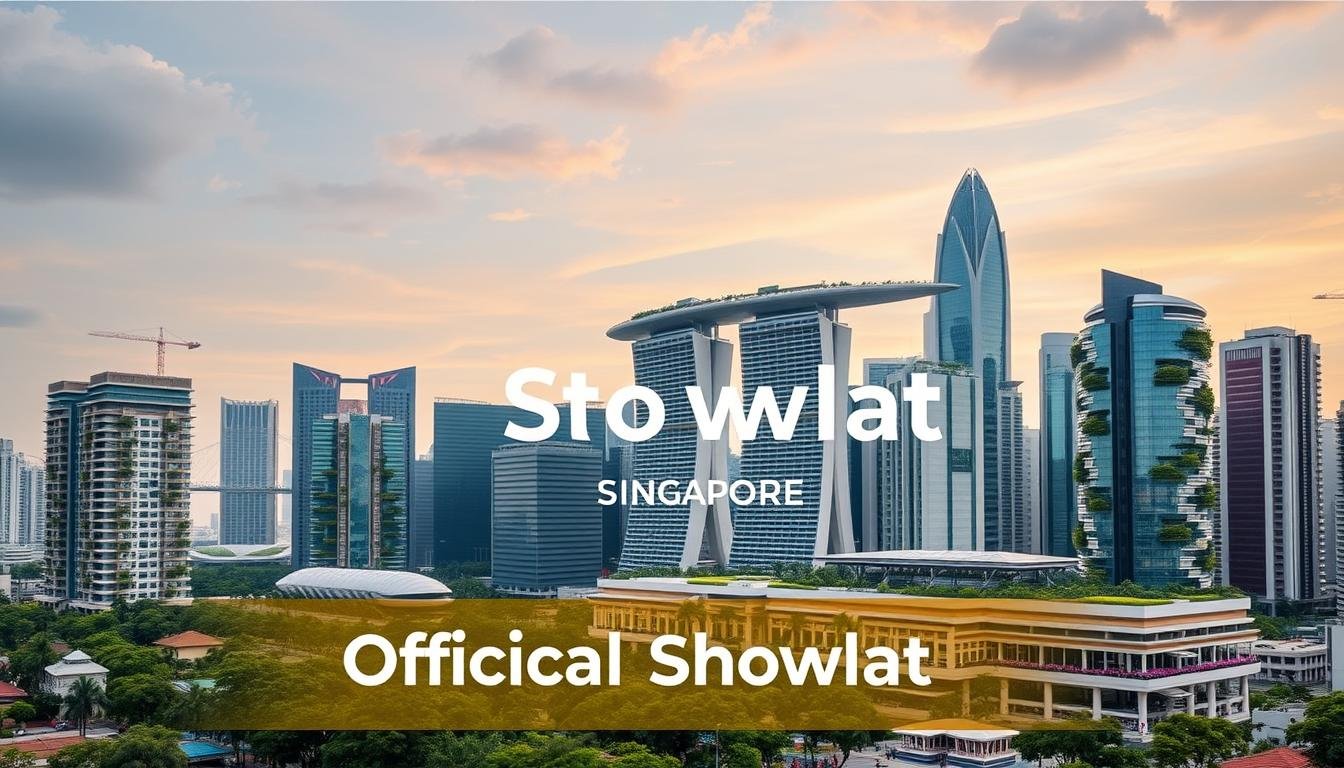
Singapore’s real estate market is exciting for investors and homebuyers in 2025. It’s growing thanks to a strong economy, smart government plans, and new urban projects. This change offers many chances for those looking to make the most of the market.
This article looks at the big trends in Singapore’s property market. We explore how sustainable and tech projects are changing things. We also talk about who’s buying and renting, and how prices are moving. Our goal is to help investors and buyers understand the market better and make smart choices in 2025.
Key Takeaways:
- Singapore’s real estate market remains resilient, with projected growth from $43.52 billion in 2023 to $64.04 billion by 2029.
- Technological innovations, sustainability practices, and evolving buyer preferences are transforming the property landscape.
- Urban development projects and infrastructure enhancements are driving new investment opportunities.
- The rental market is showing signs of increased activity, with the URA rental index rising by 11.1% in the first nine months of 2023.
- Government policies and regulations continue to shape the real estate market, facilitating affordable housing and sustainable development.
1. Overview of Singapore’s Real Estate Market Landscape
Singapore’s real estate market is expected to grow in 2025. This growth is due to a stable economy and changing market trends. The sector is forecasted to expand by USD 50.74 billion from 2023 to 2028.
The real estate market in Singapore is growing fast, with a CAGR of 4.45%. This makes it a great place for investment. The market is shaped by global issues, strong local economy, and government policies.
These factors have changed what buyers want, created new investment chances, and boosted urban development plans. Areas like the Greater Southern Waterfront and Tengah are changing the real estate scene. They offer homes, offices, and lifestyle projects, promising good growth for buyers and investors.
Understanding Singapore’s real estate is key for making smart choices. Whether you’re looking for a home or an investment, keeping up with trends is essential. It helps you navigate the changing Singapore Property market.
2. Technological Innovations in Real Estate
The property market in Singapore is changing fast. New tech is making a big difference. Now, people can take virtual tours of homes from anywhere, saving time and effort.
Blockchain technology is making real estate safer and cheaper. It cuts down on fraud and makes transactions clear and secure. This builds trust among everyone involved.
The Internet of Things (IoT) is also changing things. It gives real-time info on energy use, security, and upkeep. This helps property managers and investors do their jobs better.
Social media is now key for selling properties. It helps connect buyers with sellers and keeps them updated on market trends. Online platforms are making it easier to list, search, and buy properties, making everything more transparent.
Green building and sustainable practices are becoming more common. They add value to properties and help the environment. The pandemic has also made remote work in real estate more common, using video calls and digital signatures.
By using new tech, Singapore’s real estate is getting better. Transactions are smoother, safer, and more efficient. This is leading to a future where homes are smarter and more connected.
3. Changing Buyer Demographics
Singapore’s real estate market is changing in 2025. Millennials and Generation Z are now big players. They want Residential Properties and Condominiums that fit their lifestyle.
These buyers look for places close to amenities and public transport. They also value flexible work options. This shift is big for the market.
Foreign investment is still key, with Singapore being a safe spot for money. The luxury Property Investment segment in the Core Central Region is popular. Buyers from China, Indonesia, and India are drawn to it.
But, the number of foreign buyers has gone down. In 2018, 39% of resale property purchases in the Core Central Region were from abroad. By 2024, this number rose to 56%.
Remote work trends are changing housing demands. People want more space in suburban areas. This has led to a preference for larger Condominiums and HDB properties.
These changes are making developers and investors rethink their strategies. They are now focusing on meeting the needs of diverse homebuyers in Singapore.

4. Urban Development and Infrastructure Projects
Singapore’s property scene is changing a lot in 2025. Big projects are making the city’s layout different. New transport systems, like MRT lines and expressways, are making it easier to get around. This is also making property values go up in many places.
The Greater Southern Waterfront is a big project on the city’s southern edge. It’s turning that area into a prime spot for investing in property. The Tengah “Forest Town” is also being revamped. It’s becoming a green place for living and working.
The Punggol Digital District and Jurong Innovation District are making Commercial Properties more sought after. These areas are becoming hubs for business and innovation.
These big projects are changing Singapore’s real estate world. With better roads, more amenities, and new business areas, there are great chances for investors and homebuyers. These changes are making the Singapore Property market more exciting.
5. Sustainability Practices in Property Development
Sustainability is key in Singapore’s property sector for 2025. Eco-friendly materials and green tech are now standard in new buildings. The BCA Green Mark certification shows the nation’s goal for a “City in a Garden.”
Green buildings save money in the long run for residents. They are good for the environment too.
Green certifications are making a big difference in the market. People in Singapore are willing to pay more for eco-friendly homes. Developers are adding green spaces and energy-saving features to meet this demand.
The government has set policies to boost sustainability in real estate. They aim for net-zero carbon buildings by 2030. Stricter rules also push for less waste and a circular economy.
Developments like Terra Hill and Copen Grand EC @ Tengah show these efforts. They have earned top green certifications. As Singapore focuses on the environment, the property market will follow, shaping its future.
6. The Rental Market Dynamics
Singapore’s rental market in 2025 is booming. People want more space and amenities for remote work. Expatriates and international students are looking for top-notch rentals near key areas.
The market is now split between short-term and long-term rentals. Investors aim for properties in high-demand areas. This strategy helps them earn more from their investments.

Home loan interest rates might drop by three to six percent in 2024 and 2025. Despite a 6.7% rise in home prices in 2023, new units are expected to increase. This could meet the strong demand in the market.
7. Government Policies and Regulations
The Singapore government’s policies and regulations are key to the nation’s real estate in 2025. They aim to keep the market stable and affordable. This includes tweaks to cooling measures like the Additional Buyer’s Stamp Duty (ABSD) and Loan-to-Value (LTV) limits.
In 2022, about 10% of property deals were affected by ABSD rate hikes. Yet, 90% of these were for first-time buyers, with rates of 0% for Singapore Citizens and 5% for Permanent Residents. Starting 27 April 2023, ABSD rates went up, hitting 20% for SCs buying their 2nd property and 65% for entities.
The government is pushing for more affordable Housing Development Board (HDB) homes. They plan to launch up to 23,000 public housing units in 2023. This is part of a goal to add up to 100,000 units from 2021 to 2025. This effort is in line with the Housing and Development Act of 1959, focusing on making housing accessible and stable.
These policies affect both local and foreign investors in Singapore. They shape buying choices and market trends in various property types. The government is committed to finding a balance between a stable market and affordable housing for Singaporeans.
8. Luxury Real Estate Trends
Singapore’s luxury real estate market is a big draw for the wealthy, both at home and abroad. The high-end market, especially in the Core Central Region, keeps its appeal. Changes in the global economy, like in China, Indonesia, and India, also shape Singapore’s luxury homes.
Places like Orchard Road, Sentosa, and Marina Bay are top choices for luxury homes. These areas are prized for their exclusive features, prime spots, and unique designs. Even with cooling measures, foreign investors keep coming, drawn by Singapore’s stability and property rights.
The growth rate for luxury homes in Singapore is expected to be over 3% in the next few years. In the second quarter of 2021, private home sales in the Core Central Region jumped by almost 25%. In the first half of 2021, 272 luxury condos were sold, with 70 being super luxury homes worth over USD 10 million. Interestingly, 75.7% of these condos were bought by locals.
Big names like City Developments Limited, CapitaLand, and Keppel Land Limited lead the Singapore luxury market. The market is set to grow as more super-rich people appear in Asia.
9. Future Predictions for Singapore’s Property Market
Singapore’s property market is set to change a lot by 2030. We’ll see more focus on green and smart buildings. The city will also keep renewing itself and adjusting to new work-life balances.
Important things to watch include government land sales and policy changes. We’ll also keep an eye on economic growth and global real estate trends.
The market will still attract investors from home and abroad. It might grow in new areas and keep demand in popular spots. Technology, changes in population, and the world economy will all influence Singapore’s Singapore Property, Real Estate, Property Investment, and Property Trends.
Prices might not grow as fast, but Singapore’s real estate will stay strong. It shows the country’s ability to handle changing markets. To make smart choices, investors and buyers need to keep up with trends and policies.