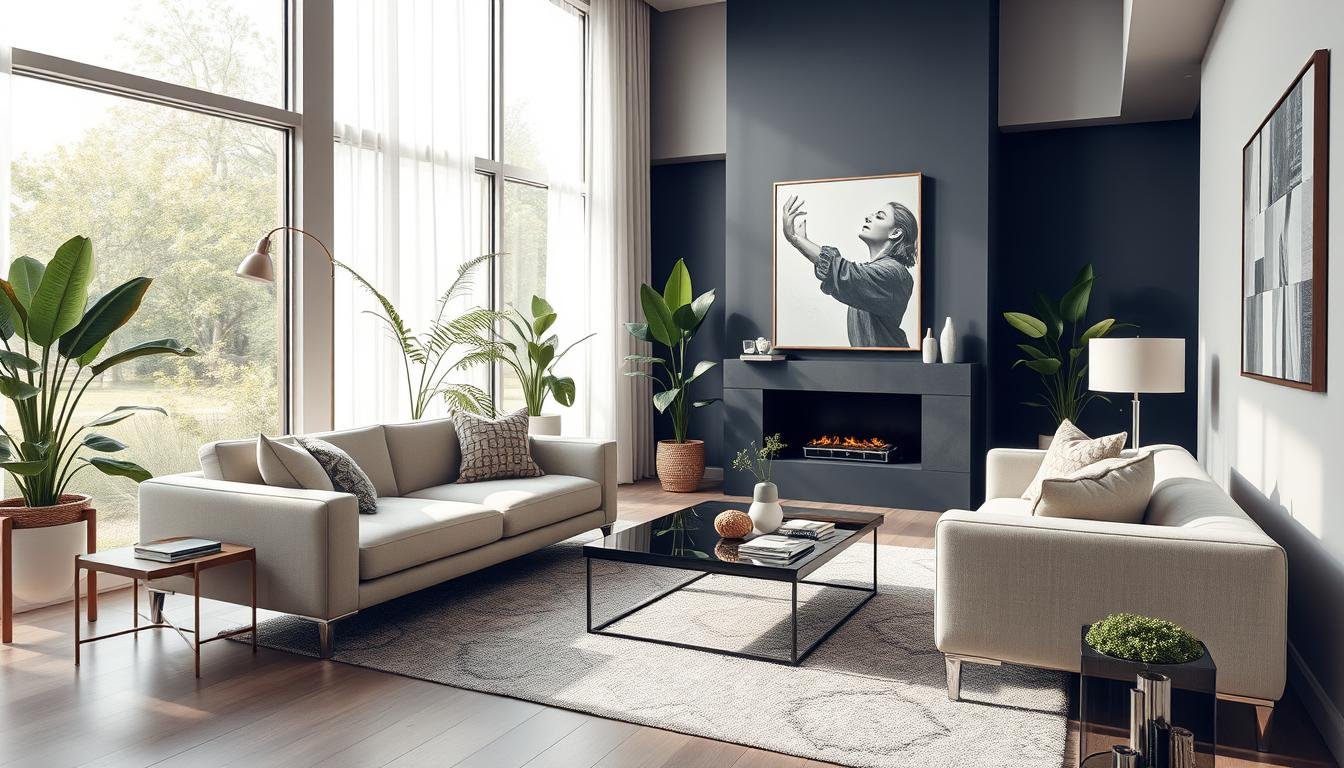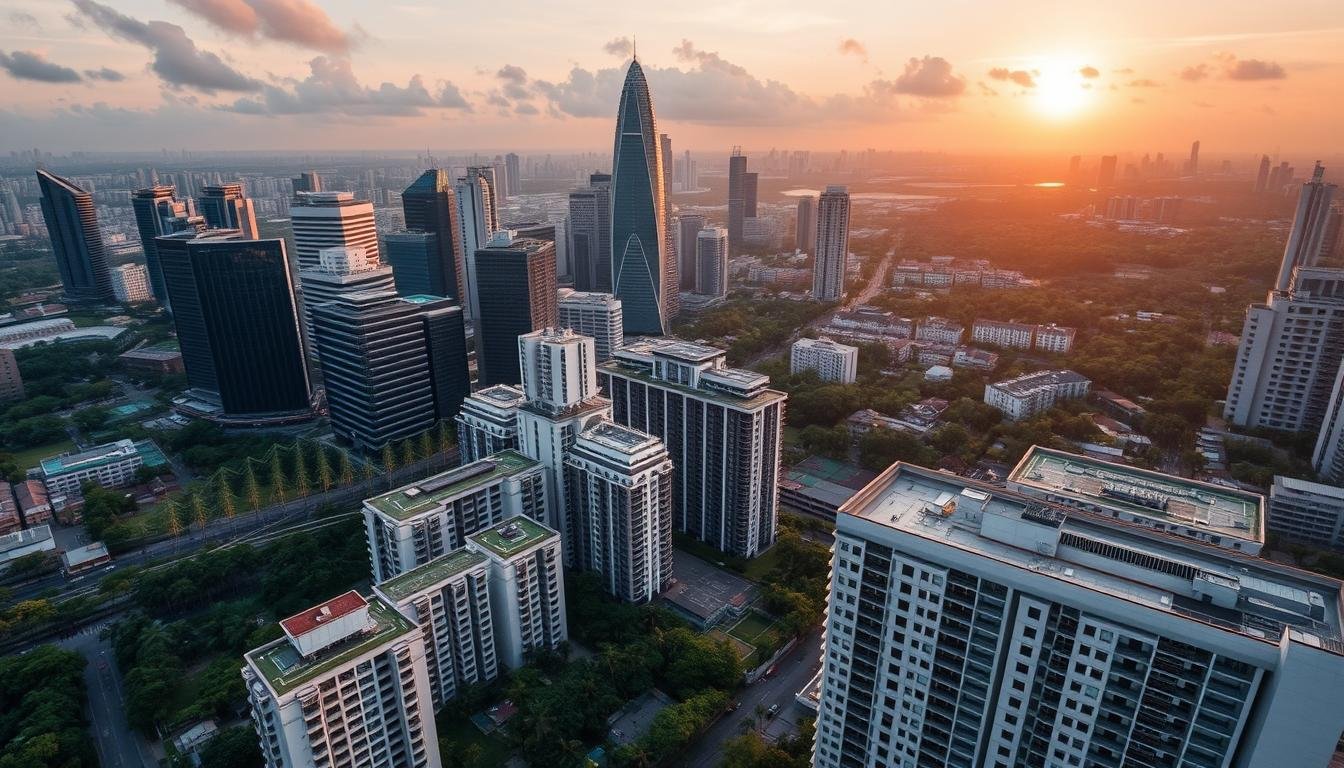
Singapore’s property market has shown strength despite global economic ups and downs. About 80% of Singaporeans live in HDB flats, which are affordable housing. The market has been shaped by population growth, income levels, and government policies like the Additional Buyer’s Stamp Duty (ABSD).
This has led to more demand for luxury homes. High-net-worth individuals and foreign investors are looking for prime spots. This has boosted trends in home decor and interior design.
The COVID-19 pandemic hit the market hard, with fewer deals in Q2 2020. But by late 2020, the market bounced back. This was due to pent-up demand, government help, and a need for bigger homes for remote work. This shift included more furniture and decor.
Luxury property demand is on the rise. This is true for high-net-worth individuals and foreign investors. They want smart, sustainable homes with green tech and new interior designs.
As the market changes, keeping up with home decor and interior design trends is key.
Key Takeaways
- The Singapore property market has shown resilience in the face of global economic uncertainties.
- The demand for luxury properties has risen, with a focus on prime locations.
- The COVID-19 pandemic has led to a shift towards larger homes for remote work.
- Smart and sustainable homes are becoming more popular, with a focus on green tech and new designs.
- Government policies, like the ABSD, have shaped the market and home decor trends.
- Population growth and income levels drive housing demand, influencing the market and design trends.
Global Economic Shifts and Their Effect on Singapore’s Housing
Singapore’s housing market is linked to global economic changes. Trade tensions and monetary policies play a big role. The US-China trade rivalry has slowed global trade, impacting Singapore’s economy and property market.
But, the Federal Reserve’s interest rate cuts have made borrowing cheaper. This has encouraged homebuyers to start looking again. As a result, there’s a big increase in demand for
In recent years, home prices and rents in Singapore have gone up a lot. By 2023, the median price of leasehold condos rose from $1,246 psf to $1,885 psf. This is a 51.3% increase, compared to 32% for freehold condos.
Many homeowners are now looking for affordable ways to decorate their homes. They want to make their living spaces beautiful without spending too much. With decorating tips and home accessories, they can achieve this goal.
Despite global economic challenges, Singapore’s housing market is expected to keep growing. It’s predicted to see a 4.9% price increase in the second half of 2024. Homeowners need to stay current with DIY home decor trends and decorating tips.
By using home accessories and DIY projects, homeowners can create a unique and welcoming space. This space will meet their needs and show off their personal style.
Modern Home Decor Trends Shaped by Global Events
Global events have changed home decor trends a lot. The COVID-19 pandemic and the Russia-Ukraine war are big examples. Now, many people want bigger homes or quieter places to live.
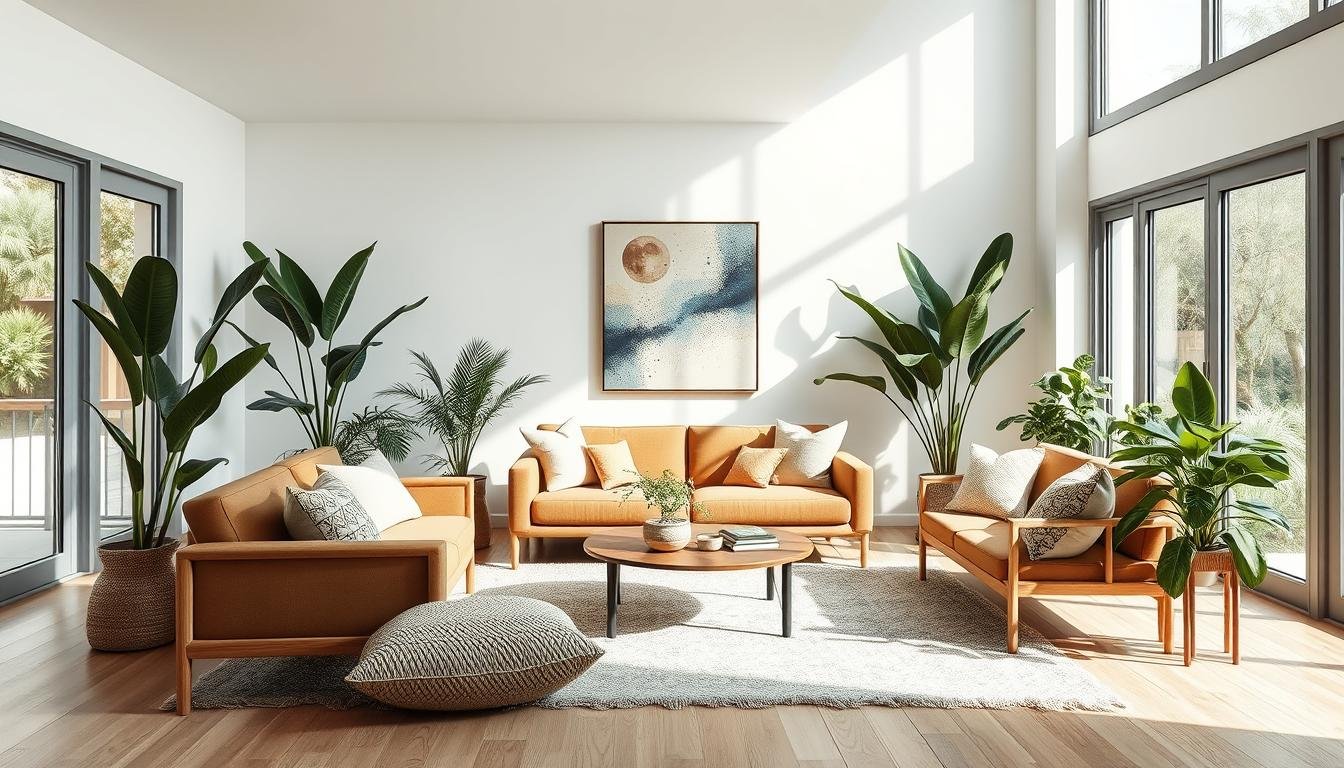
The idea of “intentional clutter” is now popular. It’s about finding a balance between having a lot and being mindful. This trend shows up in wall art and decor with bold shapes and rich materials, like the 1920s.
Also, the “house for hobbies” idea is big. It means having special rooms for your interests. This makes homes more personal and functional.
Now, mixing home renovation and room decor is key. People want their homes to reflect their unique tastes. Trends like lots of patterns, detailed fabrics, and natural bathroom materials are getting popular.
As the world keeps changing, it will be exciting to see new home decor trends.
Transforming Your Living Space for the New Normal
Homeowners in Singapore are changing their living spaces. They want areas that are versatile and private. Open-plan living is popular, but now they need zones within these spaces.
There’s a big increase in sales of multifunctional furniture. Items like Murphy beds and expandable tables are in demand. This shows homes need to be adaptable, like workspaces and classrooms.
Adding plants and aged wood to decor is also popular. It helps improve mental health and brings calm to the home.
People are making areas for relaxation, using natural light, and blending indoor and outdoor spaces. The idea of “biophilia” is big now. It means adding natural elements to homes.
With more people working from home, having a dedicated office space is key. Homeowners are turning hallways and staircases into offices. The “zakka” idea is also popular. It’s about using personal items in decor to show individuality and keep things organized.
Budget-Friendly Home Decor Solutions for Uncertain Times
When times are uncertain, making your home comfortable and productive is key. Many people now work from home, so having a dedicated workspace is important. Look for affordable furniture and decor, like second-hand items or DIY projects.
DIY decor can add a personal touch without spending a lot. Try using self-adhesive wallpaper or making your own storage solutions. These small changes can make your home office look and feel better. Adding plants, area rugs, and lamps can also help separate work from personal life.

To make your space more productive, arrange your desk near a window for natural light. Use vertical storage to keep things organized and keep your area clean. These tips and DIY projects can help you create a space that supports your well-being. And you can do it all without spending too much.
Sustainable Design Choices for Contemporary Living
Home renovation today means using eco-friendly materials and energy-saving solutions. This includes recycled materials like reclaimed wood. They help reduce environmental harm and add character to a space.
For room decor, sustainable materials like organic cotton and wool are gaining popularity. They have a lower environmental impact. Adding natural elements, like living walls and plants, also boosts looks and air quality. This makes homes healthier and more eco-friendly.
Choosing sustainable design helps homeowners lower their environmental impact. It’s about using green materials, energy-saving appliances, and creative designs. This trend is growing in home makeovers and interior design.
Maximizing Small Spaces in Singapore Apartments
Singapore apartments are small, ranging from 35 to 70 square meters. Homeowners use smart furniture and design tricks to make the most of these spaces. About 80% of new buyers want homes that are flexible and efficient.
Choosing light colors can make a room look bigger by up to 25%. Over 60% of homeowners prefer open layouts to make spaces feel larger. Adding vertical storage can increase room use by up to 30%.
DIY projects like vertical gardens or shelves can also make a room feel bigger. Compact appliances and furniture, like sofa beds and extendable tables, help keep small areas tidy. These items cost between SGD 500 to SGD 1,500, affecting your budget.
Using space-saving furniture and design can make living in Singapore more comfortable. The use of multifunctional furniture has grown by 40% in five years. This shows the need for efficient home decor and DIY projects.
Essential Home Decor Elements for Modern Singapore Living
Modern Singapore living needs the right home decor to feel comfortable and stylish. Accessories like minimalist decor and functional furniture are key. Tips like using one color and natural materials help tie everything together.
Interior design is vital for the feel and function of a home. Adding smart storage and layered lighting makes a room both pretty and practical. Natural materials like wood and stone bring warmth and texture.
Creating a modern, stylish space is easy with the right tips and ideas. Think about statement pieces like velvet armchairs and decorative items like mirrored trays and bold artwork. These elements help show off your style and meet your needs.
By using these decorating tips and essential decor elements, you can make a modern, stylish home. Whether you’re updating or starting fresh, these ideas will help you create a beautiful, functional space.
Blending Local and International Design Influences
Incorporating local and international design influences can make your home renovation stand out. A big trend shows that 68% of designers mix elements from various cultures into their work. This reflects a growing interest in global wall art and diverse cultural expressions.
Homeowners want to show their personal identity and cultural heritage in their homes. A whopping 75% say cultural influences greatly affect their decor choices. By blending local and international styles, you can create a sophisticated and welcoming space.
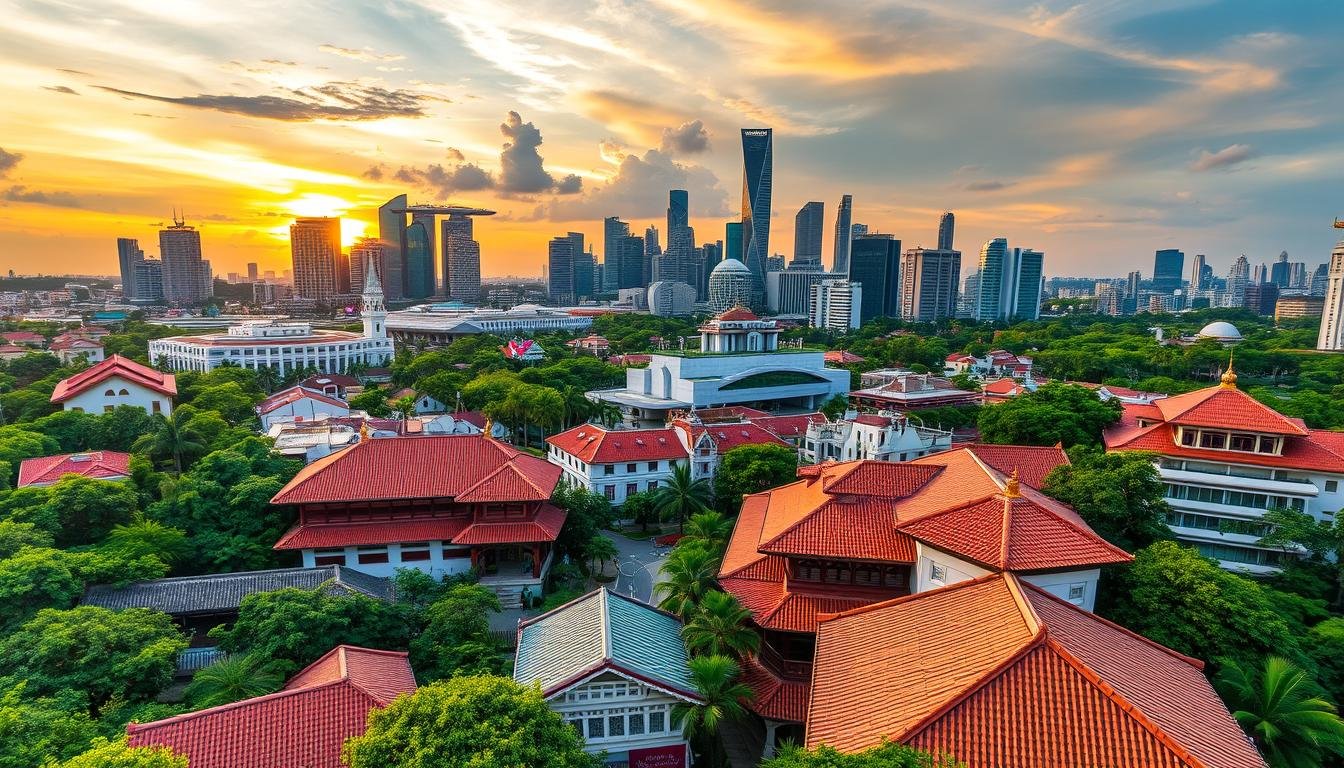
The demand for furniture and upholstery influenced by culture is rising, growing by 5.1% each year. By using local art and global wall art styles, you can create a balanced space. This results in a unique and personalized home renovation.
Technology Integration in Contemporary Home Decor
Today’s home decor has changed a lot with technology. It makes homes smart, efficient, and cozy. Smart devices, new lighting, and advanced designs have changed how we live in our homes.
Technology is key in making homes look good and work well. It makes furniture and decor more appealing and useful.
More than 50% of homeowners want to add advanced tech to their homes. They want their homes to be personalized and comfortable. For example, smart thermostats can save up to 25% on energy costs.
In Singapore, smart home tech is growing fast. It’s because of the country’s focus on saving energy and being green. Smart tech in living rooms is common, with features like lights and cameras that work on their own.
This makes homes more comfortable and safe. It also helps the environment. The smart home market is expected to grow to $135.3 billion by 2025. This shows tech’s big role in home decor’s future.
Adapting Traditional Asian Design Elements
Traditional Asian design is making a big splash in modern home decor. It focuses on natural materials and cultural motifs. To mix these elements with today’s styles, consider using bamboo or wood for warmth. Cultural symbols like Chinese calligraphy or Japanese kanji can also add elegance.
DIY projects are a fantastic way to bring traditional Asian design into your home. You can make a bold statement wall with Asian-inspired patterns. Or, add unique touches with lanterns or fans. This way, you can create a space that’s both harmonious and reflects your style.
When using traditional Asian design, think about the look you want. Use colors like fiery reds, burnt oranges, and calm blues to set the mood. Adding water features, like a small fountain or fish tank, can also enhance the atmosphere. 
By embracing traditional Asian design, you can make your home a unique and peaceful space. Whether you’re into DIY projects or professional decorating, there are many ways to incorporate these elements. With creativity, your home can become a serene oasis that celebrates Asian design.
Creating Resilient and Adaptable Living Spaces
Home renovation is key to making living spaces better. Using flexible designs and green materials is essential. This makes rooms look good and helps keep them healthy.
Adding things like solar panels can cut down on bills by half. Using plants that don’t need much water also helps save water. This supports living in a way that’s good for the planet.
Adaptable homes can sell for 20-30% more because they’re flexible. Smart homes might sell for 5% to 10% more. Using materials that are good for the planet means less waste and a healthier home.
Homes that are ready for aging-in-place can be worth up to 5% more. In Singapore, green building materials are growing in demand by 10% each year. This shows people want homes that are good for them and the planet.
By focusing on designs that work for everyone, homes can be more sustainable. The right renovation and design can make a home better for the environment and for living well.
Embracing the Future of Singapore Home Design
The future of Singapore home design is set to be exciting. Experts say we’ll see more bold and vibrant colors, moving away from neutral tones. Mid-century modern styles will also become more popular, with a focus on retro furniture and decor.
Sustainability will play a big role, with more eco-friendly materials like bamboo and recycled glass used in 30% of designs by 2024. There will also be a 25% increase in demand for local art and handmade items, adding uniqueness to homes.
Big wall art will become a trend, with 40% of homes featuring large pieces. Mixing patterns and textures will also be key, with 50% of designers using this approach in 2024. This will make interiors more interesting and layered.
There will be a 20% rise in demand for sustainable and locally made designs. This means homeowners will have more eco-friendly and authentic options. This shift shows people want to be green and support local artists.
The future of Singapore home design looks bright and full of possibilities. It will combine new tech, innovative materials, and a love for handmade and sustainable items. By following these trends, homes will be not just beautiful but also good for the planet and true to Singapore’s culture.