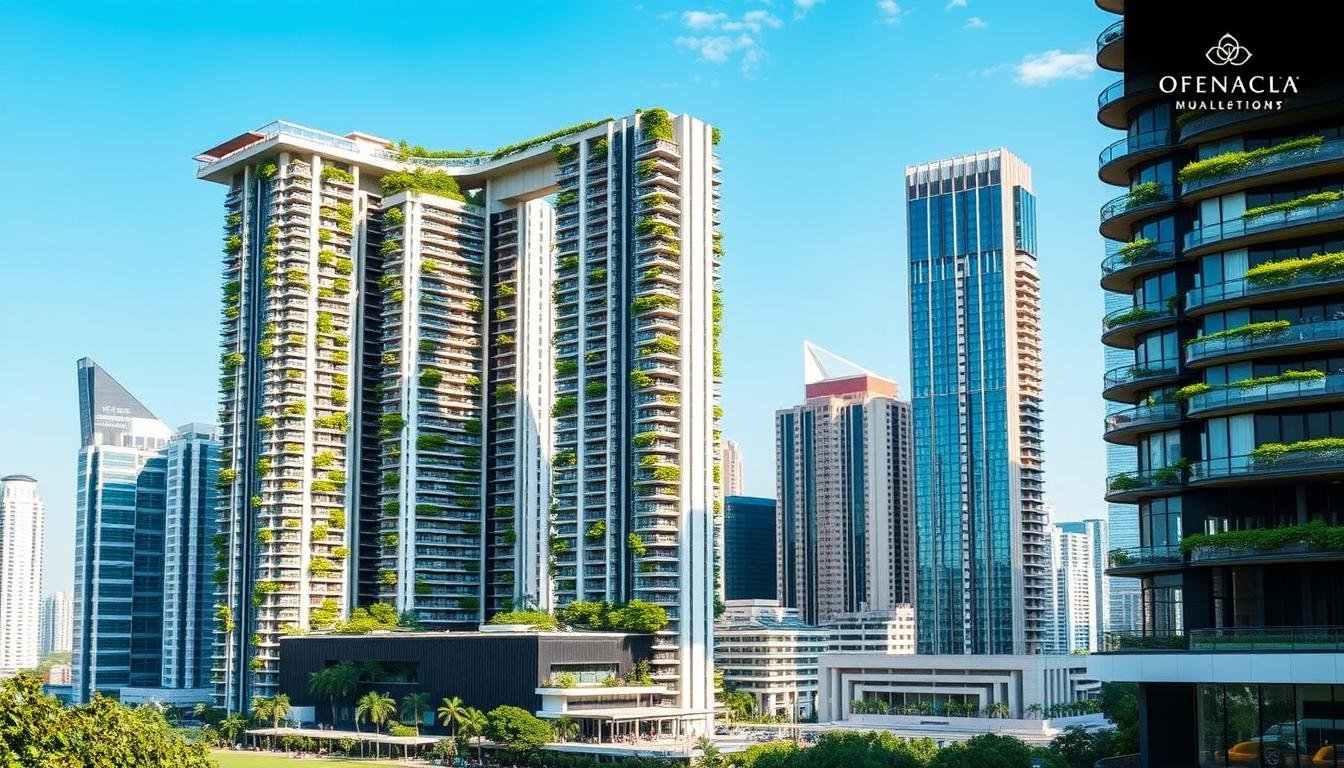
Buying a property in Singapore means dealing with stamp duties and taxes. It’s important for homebuyers to understand these financial rules. This helps make smart choices and ensures a smooth buying process. We’ll cover the main points of stamp duty in Singapore to help you plan your real estate investments well.
Key Takeaways
- Stamp duty is a tax on documents related to property and stock/share transfers in Singapore.
- There are three main types of stamp duties: Buyer’s Stamp Duty (BSD), Additional Buyer’s Stamp Duty (ABSD), and Seller’s Stamp Duty (SSD).
- Stamp duty rates range from 1% to 6% of the property’s purchase price or market value, whichever is higher.
- Stamp duty calculations can be complex, with different rates for residential and non-residential properties.
- Exemptions and remissions may be available under certain conditions, such as for acquiring residential land for non-residential development.
Understanding Stamp Duty in Singapore
Stamp duty is a key tax for homebuyers in Singapore. It’s a fee on real estate documents like lease agreements and mortgages. The Inland Revenue Authority of Singapore (IRAS) collects it. This duty helps keep the housing market stable and prevents speculation.
The rules for stamp duty have changed, especially in 2018. Now, it’s applied to both paper and digital documents. Buyers, sellers, or both pay it, based on the deal. Knowing about stamp duty is important for those buying or investing in Singapore properties.
Stamp duty is important in Singapore. It helps regulate the housing and condo markets. It also helps the government get revenue. This tax is crucial for the real estate sector’s growth and stability.
Types of Stamp Duty
When you buy a property in Singapore, you face stamp duty complexities. There are three main types: Buyer’s Stamp Duty (BSD), Additional Buyer’s Stamp Duty (ABSD), and Seller’s Stamp Duty (SSD).
The BSD is a tax on all property buys in Singapore. It’s based on the purchase price or market value. The rate can go up to 6% of the property’s value. The ABSD is an extra tax for second or more property buys. It depends on the buyer’s profile. For example, foreigners pay a 60% ABSD rate on all property buys.
The SSD is a tax on properties sold within three years of buying. The rates drop over time. They start at 12% for sales in the first year and go down to 0% for sales after three years. These duties help control the real estate market in Singapore. They aim to stop short-term speculation and encourage long-term investment in Singapore Homes and Apartments.
It’s key for property buyers and sellers in Singapore to know the stamp duty rates. They should plan their deals to reduce tax costs. Getting professional advice can help understand and follow these rules.
Stamp Duty Rates and Calculations
Knowing the stamp duty rates in Singapore’s real estate market is key for buyers. The rates for residential properties range from 1% to 6%, based on the property’s value. For instance, a $2,500,550 condominium would face a BSD of $84,622.
ABSD rates go from 0% to 25%, depending on the buyer’s status and property ownership. SSD rates are between 12% and 4% for properties sold within three years. The calculation involves the property’s value, the applicable rate, and the selling price or market value, whichever is higher.

It’s vital to keep up with the latest stamp duty rates and rules. They can change over time. By staying informed, buyers can make better decisions and avoid surprise costs.
Exemptions and Remissions
In the Singapore commercial property market, there are ways to lower stamp duties. Married couples might get a break on their second property if they meet certain rules.
People from countries like Iceland and the United States get the same stamp duty as Singaporeans. This is great for foreign investors looking at Singapore real estate.
There are also special deals for HDB flat transfers, cancelled sales, and property changes due to marriage. Buyers need to meet strict rules and apply quickly to get these benefits.
When you tear down a house to build a new one, you pay 10% tax. You can also get a tax break for up to 2 years under a specific order, if you meet the conditions.
Knowing about these exemptions and remissions helps smart investors in Singapore. Keeping up with stamp duty and tax rules is key to success in the real estate market.
Other Taxes Affecting Singapore Property
Property owners in Singapore face more than just stamp duties. They also have to deal with annual property tax. This tax changes based on if the property is lived in or rented out.
For homes lived in by the owner, tax rates start at 0% for the first $8,000 in Annual Value (AV). Rates go up to 32% for AV over $100,000, starting January 2023. Properties rented out have a higher tax, with rates from 11% for the first $30,000 AV to 36% for more.
Goods and Services Tax (GST) also affects commercial property sales and renting out non-residential properties. The GST rate is currently 8%, set to rise to 9% in 2024. These taxes, including stamp duties, are key for buyers and investors to remember in the Singapore real estate market.
Consequences of Non-Payment
Not paying stamp duties on time in Singapore can cause big problems. You might face penalties up to 4 times the original duty. Using a document without paying stamp duty is against the law.
Buyers and sellers who don’t meet the deadline could get fined. They might also face legal trouble and have trouble with future property deals.
To avoid these issues, it’s key to pay stamp duties on time. This is especially important in the Property in Singapore market. The Singapore Housing authorities can use agents like banks or lawyers to get unpaid taxes from property owners.
There are payment plans available, but not paying on time can stop you from getting one again. This is if you’ve missed payments before.
Not paying on time can also lead to a Travel Restriction Order. This stops you from leaving Singapore until you pay what you owe. You must pay all overdue taxes and penalties before you can travel freely again.
If you ignore this order, you could face even more serious legal issues. This could include criminal trespassing charges.

By keeping up with stamp duty rules, Property in Singapore buyers and sellers can do well. They can avoid the high costs of not paying on time. Keeping an eye on tax changes and acting quickly can help make your property deal go smoothly.
Planning for Your Property Purchase
Buying a property in Singapore, like a condo or home, needs careful financial planning. Buyers must include all stamp duties and taxes in their budget. This ensures they have enough money for their real estate investment.
The Buyer’s Stamp Duty (BSD) and Additional Buyer’s Stamp Duty (ABSD) are key to consider. The BSD rate changes with the property’s value. The ABSD might apply to some buyers, like foreigners or Singaporeans with many properties.
Property owners also face ongoing costs like property tax and maintenance fees. It’s important to do the math right to stay within the Total Debt Servicing Ratio (TDSR). This ratio is 60% of your gross monthly income.
Using Central Provident Fund (CPF) savings can help fund a property purchase. But, buyers must know the rules and limits. Finding the right mix of cash and CPF is vital for a successful property buy.
With thorough planning and understanding all financial aspects, buyers in Singapore can make smart choices. These choices should match their long-term goals and financial situation.
The Role of Real Estate Agents
Real estate agents are key in the complex Singapore property market. They guide buyers and sellers with valuable insights. This includes stamp duties, tax implications, and market trends.
Agents help clients understand their tax duties and stamp duties. They also explore exemptions or remissions. This is crucial for making smart decisions.
Agents’ expertise ensures compliance with stamp duty rules. This avoids penalties. By working with a qualified agent, transactions are smoother. Clients can make better choices.
In Singapore, the number of property agents grew from 32,414 in 2022 to 35,251 in 2024. Yet, private home sales fell from 33,557 units in 2021 to 19,044 units in 2023. This shows the competitive nature of the market.
To stay ahead, agents invest in digital marketing and home staging. Costs have risen, showing the industry’s evolution. Adapting to market changes is key.
Keeping Updated on Tax Changes
The Singapore Landed Property and Commercial Property market is always changing. The government often updates property taxes and rules. It’s important for buyers, investors, and owners to stay informed.
Following the Inland Revenue Authority of Singapore (IRAS) website and Singapore Land Authority (SLA) announcements is key. Also, keep an eye on official government press releases.
Not keeping up with tax changes can lead to big problems. The Property Tax Act says failing to report property events can result in fines up to $5,000. It’s crucial to update the tax authority on time to avoid penalties.
Recently, Singapore has made some tax changes. These include new rules for trusts and foreign accounts. There have also been changes to how Real Estate Investment Trust (REIT) managers are taxed.
The government is also considering making tax filing easier for small businesses. They might not need to show their Estimated Chargeable Income (ECI) anymore.
By staying informed, property owners and investors in Singapore can make smart choices. Working with property experts and following real estate news can help. This way, they can take advantage of the latest in the Singapore property market.
Conclusion: Be Prepared for the Singapore Property Market
Understanding the stamp duties and taxes is crucial when buying property in Singapore. With prices in the Core Central Region (CCR) over $3,000 PSF, and the Rest of Central Region (RCR) and Outside Central Region (OCR) growing fast, careful planning is needed. It’s important for buyers to think ahead.
First-time buyers should learn about stamp duty exemptions and remissions. These can reduce the costs of buying a home. The Total Debt Servicing Ratio (TDSR) also affects how much you can borrow. Getting advice from property wealth planners can be very helpful.
The Singapore property market is always changing. Keeping up with tax changes and how infrastructure projects affect property values is important. By setting clear goals for your investment, whether for quick profits, long-term growth, or rental income, you can succeed in the market.