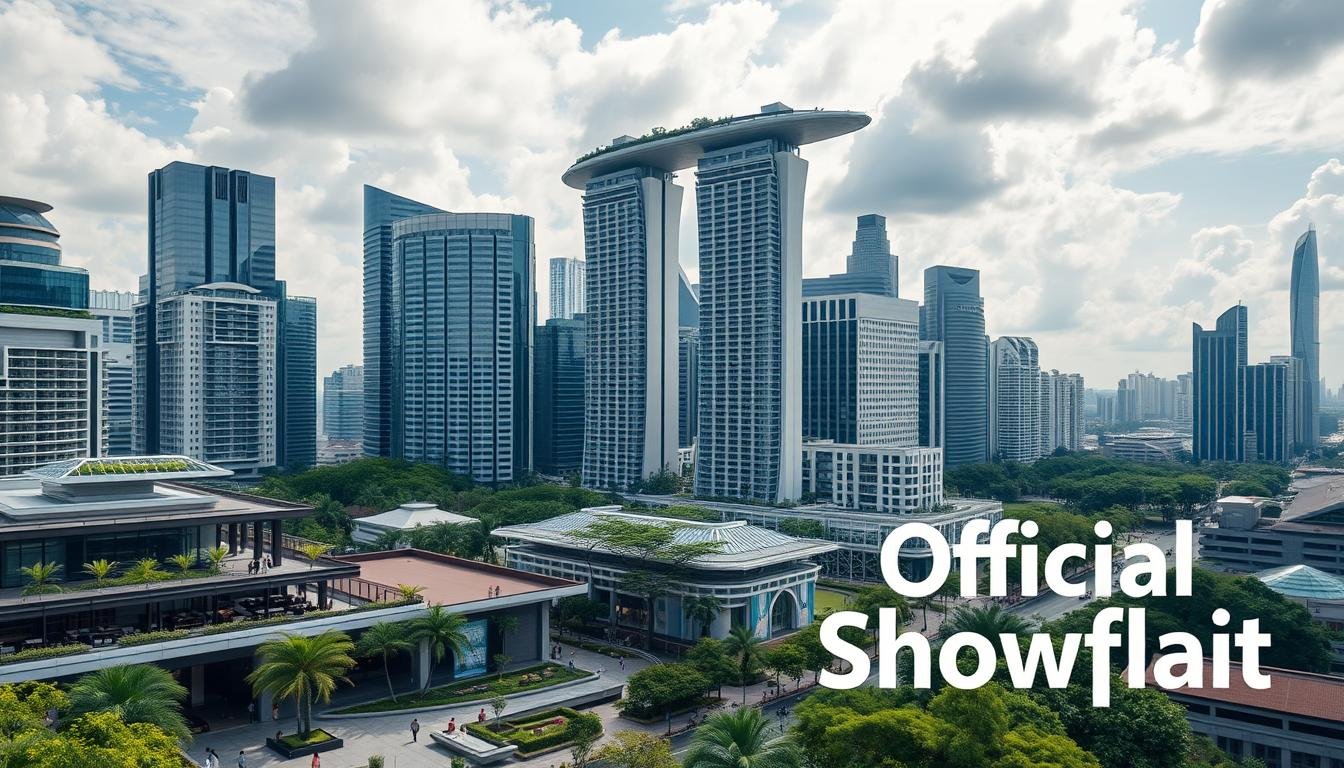
Singapore’s real estate is changing fast, offering great chances for investors in 2025. The market is seeing new trends, like urban renewal and changing what buyers want. By knowing what drives these changes, investors can find the best places to grow their money.
The market is stable, thanks to Singapore’s strong economy and smart government rules. In 2023, 89.7% of people own homes, showing strong demand. Younger people, especially, are looking to buy more homes, with 52% of 22- to 29-year-olds interested.
Looking to 2025, some areas in Singapore look like great places to invest. The Greater Southern Waterfront is a big project that will change the city’s look. It will have homes, workspaces, and fun spots by the water.
The Tengah area, called the “Forest Town,” is becoming a green and tech-friendly community. It’s attracting both homebuyers and businesses. The Punggol Digital District and Jurong Innovation District are also getting attention. They plan to mix homes, work, and play, thanks to smart city plans.
Key Takeaways
- Singapore’s real estate market offers dynamic investment opportunities in 2025, driven by urban transformation and shifting buyer preferences.
- Key investment hotspots include the Greater Southern Waterfront, Tengah, Punggol Digital District, and Jurong Innovation District.
- The market is shaped by factors such as economic stability, government policies, and demographic changes, creating a landscape of both opportunities and risks.
- Younger homeowners and investors are increasingly interested in real estate, signaling the continued growth potential of the Singapore housing market.
- Sustainable development and smart city initiatives are emerging as important considerations for property investors in Singapore.
Overview of Singapore’s Real Estate Market in 2025
Singapore’s real estate market in 2025 is vibrant and attractive to investors. It has shown strong growth in property prices over the years. This trend is likely to continue.
The demand for green and smart homes is on the rise. Buyers want homes that are eco-friendly and high-tech. Suburban areas are also gaining popularity for their affordability and better work-life balance.
Yet, the central business district and prime spots like Orchard are still in high demand. Prices there can reach up to SGD 2,500 per square foot.
The market is cautiously optimistic for 2025. It sees potential growth in new areas. But, it faces challenges like interest rate changes and new rules. These could affect prices and investment choices.
Despite these hurdles, Singapore’s real estate market is expected to remain strong. It will continue to attract investors, keeping it a key focus for property prices and investment.
Key Factors Driving Investment in Singapore Property
Singapore’s real estate market is a big draw for investors. This is thanks to the city-state’s strong economy and political stability. It’s known for being very business-friendly.
Changes in demographics, like an aging population and more foreign talent, boost housing demand. The government’s urban plans also shape the market, offering new investment chances.
Government policies, like cooling measures and land management, are key. The limited land and preference for 99-year leases over freehold properties create a unique market. Leasehold properties often grow in value faster than freehold ones.
Investors see Singapore’s property market as a good long-term bet. Prices have stayed strong even when the economy is down. The limited land and strategic location make it even more attractive.
Popular Districts for Property Investment
In 2025, Singapore’s real estate offers many investment chances across different areas. The Central Business District (CBD) is a top choice, drawing investors with its close business centers and luxury amenities. Orchard Road and its nearby areas boast high-end condos and prime retail spots, appealing to those who value quality.
New spots like Punggol, Tengah, and Jurong are becoming popular for investment. They’re seeing big development and better connections, making them more appealing. Here, you can find a wide range of properties, from affordable to luxury, promising good returns.
The Greater Southern Waterfront project will cover 120km of the southern coast. It plans to add over 10,000 homes in Marina South and Tanjong Rhu. This project will change the city’s look, offering investors a chance at waterfront living and growth.
Looking at Singapore property prices, the Core Central Region (CCR) has prices over $2,300 per square foot. The Outside Central Region (OCR) starts at $800 per square foot. The Rest of Central Region (RCR) offers a mix, fitting various investor needs.
Types of Properties to Consider in Singapore
Investors looking into Singapore’s real estate market in 2025 will find many options. From the famous Singapore HDB flats to high-end rentals, there’s something for everyone. These choices fit various tastes and investment plans.
Residential properties like condos, HDB flats, and landed houses are available. HDB flats are home to 80% of Singaporeans, offering affordable living with a high ownership rate. On the other hand, condos and landed homes provide exclusive, upscale living.
Commercial real estate is also attractive, especially in top areas and new business zones. Investors can look at office spaces, retail shops, and mixed-use projects. These appeal to those interested in Singapore’s booming economy and lively city life.
Industrial spaces, like warehouses and business parks, are also interesting. Singapore’s tech and e-commerce growth boost demand for these facilities. Each property type offers unique investment chances and returns, helping investors diversify and benefit from Singapore’s lively real estate scene.
Financing Options for Investors
Investors in Singapore’s property market in 2025 have many financing options. Traditional bank loans and mortgages are common, with interest rates around 2.5%. But, peer-to-peer lending and crowdfunding are also becoming popular, offering more ways to get funding.
The Singapore government provides grants and incentives for first-time buyers and eco-friendly property investors. These can offer significant financial help. It’s important for investors to compare different financing options. They should look at loan-to-value ratios and repayment terms to find the best fit for their goals.
For short-term gains, property-backed loan deals can offer high returns, with interest rates over 6% per year. These deals provide steady, monthly income, appealing to those wanting quick profits. Properties in Broadmeadows and Mittagong industrial estate offer even higher returns, from 6.08% to 6.28% annually.
Investors should think about all costs, like property taxes and maintenance, to keep their investment sound. By looking at the wide range of financing options in Singapore, investors can make smart choices that match their goals and risk level.
Understanding Property Taxes in Singapore
Investing in Singapore property means knowing about taxes. The tax system here aims to support home ownership and also raise revenue from investment properties.
The Annual Value (AV) of a property is key for tax calculations. It’s based on what similar properties rent for. Residential properties owned by their owners pay tax rates from 0% to 32% by 2024. But, properties not owned by their owners face higher rates, from 12% to 36%.
Buying property in Singapore also means paying stamp duty. This tax changes based on the property’s value and who’s buying it. Foreign buyers pay an extra 30% in Additional Buyer’s Stamp Duty (ABSD) for residential properties.

Knowing about these taxes is vital for property investors in Singapore. They can change how much you pay and your investment’s return. Keeping up with tax policies helps you make better choices and understand your investment’s financial side.
The Role of Foreign Investment in Singapore Property
Foreign investment is key to Singapore’s lively property market. Rules let foreigners buy private condos but limit HDB flats and landed properties. Luxury homes in top areas and new spots draw foreign buyers.
Recent numbers show over 20% of private property sales went to foreigners from 2012 to 2019. But, this number dropped to 321 condo sales to foreigners from May 2023 to April 2024. The government aims to keep the market stable while attracting international capital.
Foreign buyers, especially from China, Indonesia, and India, are still interested. New tech like virtual tours and blockchain helps in buying Singapore real estate. Green and sustainable properties are also in demand.
The Singapore government keeps tweaking policies to keep the market stable. Changes to ABSD rates and LTV limits are expected. These moves help keep the market attractive while preventing too much speculation.
Rental Yield and Investment Returns
Understanding rental yield and investment returns is key in Singapore’s property market for 2025. Rental yields in Singapore are expected to range from 2.5% to 3.5% each year. To find the rental yield, just divide the yearly rent by the property’s value.
Rental yields change based on the property type and location. Suburban areas usually have higher yields than central Singapore. Investors should look at both rental yield and potential value increase when judging investment returns.
Choosing between long-term and short-term rentals in Singapore depends on several factors. These include location, property type, and the target market. By studying rental data, you can see the potential returns and find properties that fit your investment plan.
Things like infrastructure, property quality, and district performance affect a property’s value in Singapore. Investors should examine these factors to boost their investment returns.
Risks Associated with Property Investment
When you look into investing in the Singapore property market, knowing the risks is key. The Singapore Housing Market is strong, but there are still risks to watch out for. Smart investors need to understand these risks.
Market volatility is a big risk. Property values in Singapore can change due to economic factors. This includes interest rate changes or global economic conditions. These can affect rental demand and property prices.
Regulatory risks are also important. Changes in cooling measures or foreign ownership policies can greatly impact the market.
Managing properties is another challenge. It involves keeping properties in good shape, handling tenant issues, and managing empty properties. Knowing these risks and how to deal with them is crucial for success in Singapore Property Investment.
To succeed, stay up to date with the Singapore Housing Market. Carefully look at potential investments. Getting professional advice and diversifying your portfolio can also help manage risks in this exciting real estate scene.
Expert Insights on Investing in Singapore
Investing in Singapore’s real estate market needs a smart plan. Experts say location, timing, and market research are key for success in 2025.
Singapore’s Property Agents note that improving properties can lead to big gains. It’s also wise to spread investments across different types and areas. This helps avoid risks and find new chances.
Real Estate analysts in Singapore see growth in suburbs and new areas. This is thanks to green and smart building projects. Investors should watch these spots and keep up with trends to find good deals.
By following expert advice and looking at the long game, investors can do well in Singapore. The country’s strong economy and steady housing needs make it a good place to invest.

Conclusion: The Future of Real Estate Investment in Singapore
The future of Singapore Property Investment looks bright, with chances in both known and new areas. Knowing the market trends, financing choices, and rules will be key for investors in 2025 and later. It’s wise to balance rental income and property value growth, as the Singapore Real Estate market keeps changing.
Buyers should do their homework, get expert advice, and think about long-term market trends in Singapore’s lively real estate scene. With limited land, growing population, and a strong economy, property prices are likely to rise. But, rising global interest rates might slow things down a bit.
As the market grows, we see more smart and informed buying choices. This is thanks to technology and data analysis. The rental market and interest in older, mixed-use properties show Singapore’s wide range of investment options. Also, thinking about sustainability is becoming more important in real estate decisions.